Author Archives: David Gian-Cursio
Stargate Reference Information
This article will discuss three related designs; the versions seen in the original 1994 movie, as well as the two TV shows Stargate SG-1 and Stargate Atlantis. The design seen in Stargate Universe is entirely original, so it’s out of my scope. I want to go over not only the key features of the design, but also subtle differences that are sometimes missed when artists create the different variations.
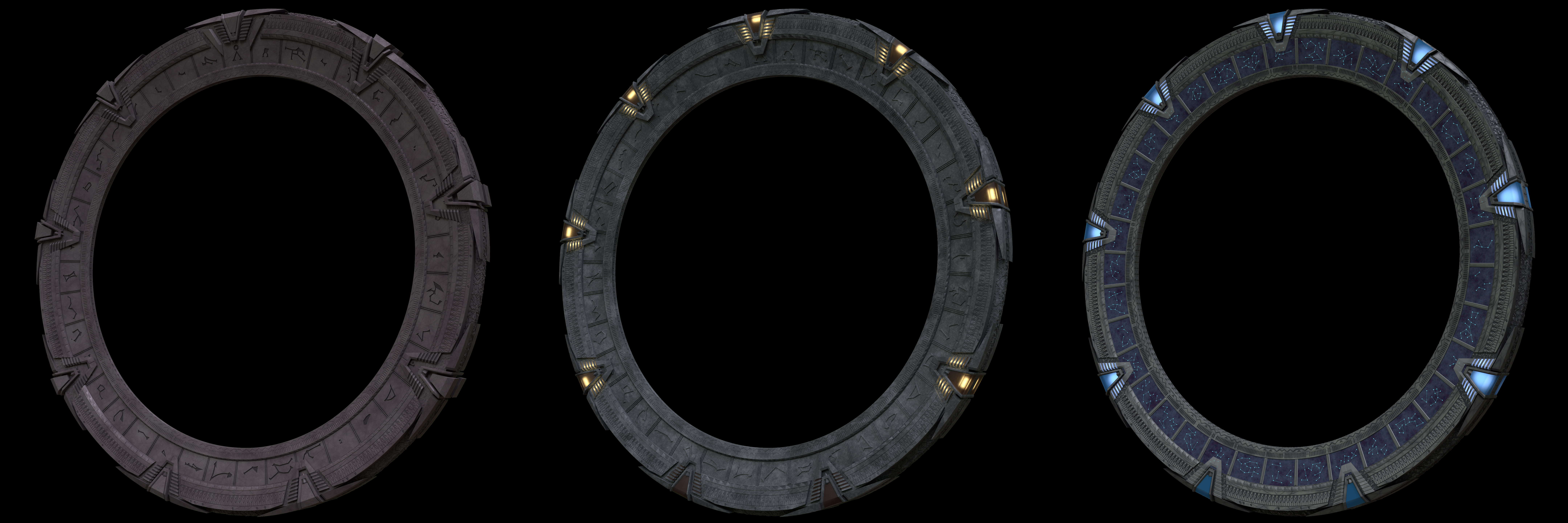
The TL;DR is that the SG-1 stargate is a modification of the film stargate, so if you’re building either of those versions, you can source them both for reference material. The Atlantis stargate was built from scratch, so if you reference the SG-1 stargate while building that one (or vice-versa), you’ll run into confusing contradictions in terms of exact shapes and details. Despite how similar the Atlantis version looks to its predecessors, you can’t assume it matches them.
I’ll be illustrating this article with a mixture of screencaps, production documents, and photos of the original setpieces. The latter two groups are sourced from behind the scenes posts by production personnel, auction listings, and individual collectors, most notably, Les Enfants de MacGyver. If you’re collecting reference material for your own movie- or SG-1-style stargate, there are countless photos of their original stargate components, disassembled and close-up, on their Facebook page.
The first thing to know is that all these stargates are made of nine identical segments which join together in the middle of each of the nine chevrons. There’s also an animated inner ring that contains some number of symbols which move within the stargate when a destination address is being entered.
The front face has several sets of repeating details. At the top are six irregularly spaced “buttons.” Immediately below that is a track of “arches.” There’s a series of blocks below them, just above the inner ring. Each block has two interlocking segments with an S-shaped seam between them. On the movie and SG-1 gates, there’s a set of smaller blocks on the bottom edge of the inner ring.
Below that are three tracks of engraved details. The top is a series of pill-shapes in clusters separated by circular dividers. Below that is a simple set of engraved rectangles, and below those are a pair of engraved lines that go around the inner rim in a zig-zag pattern, offset with occasional horizontal segments.
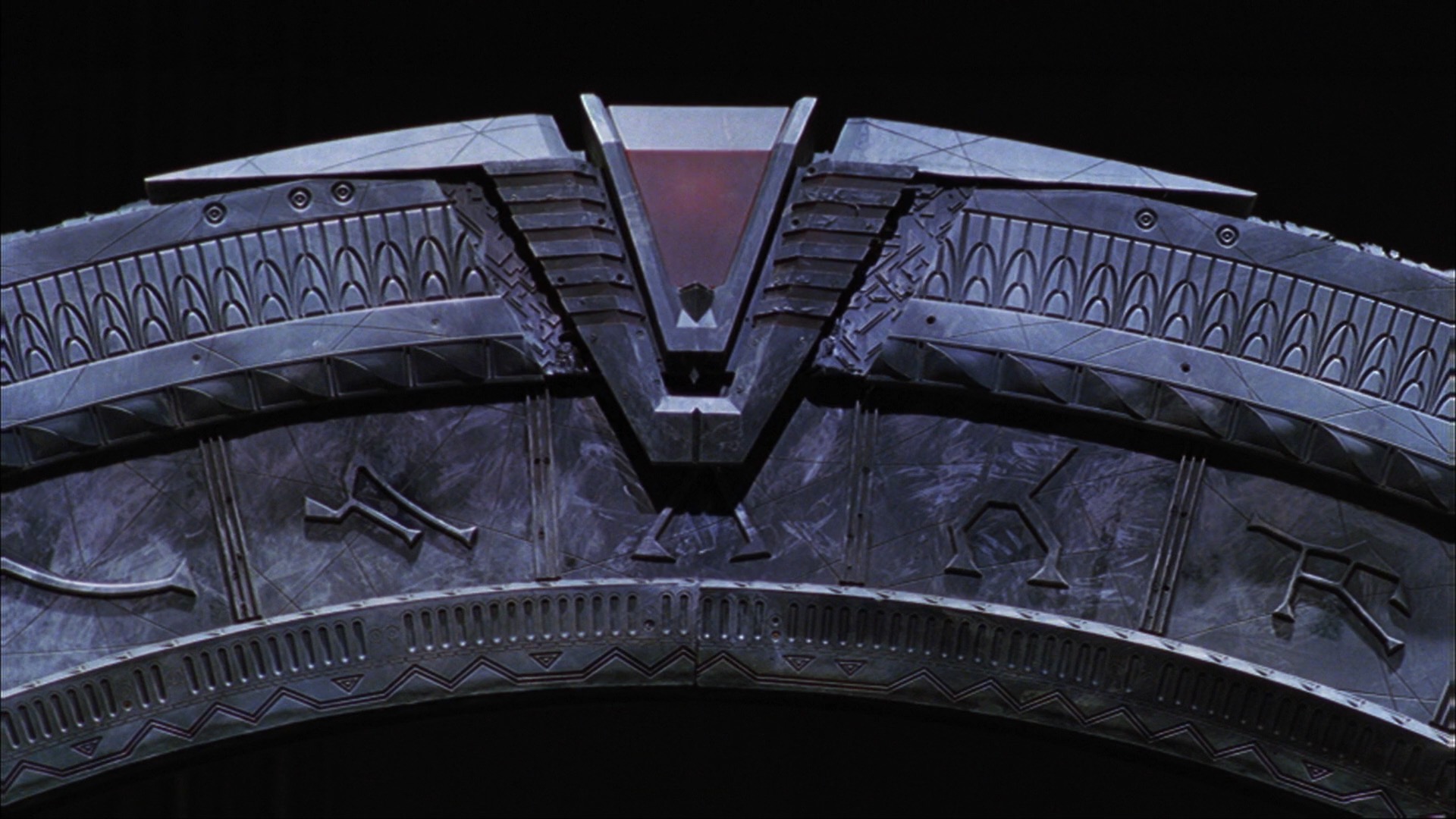
The inner rim has regularly spaced “emitters” which consist of three long greebles.
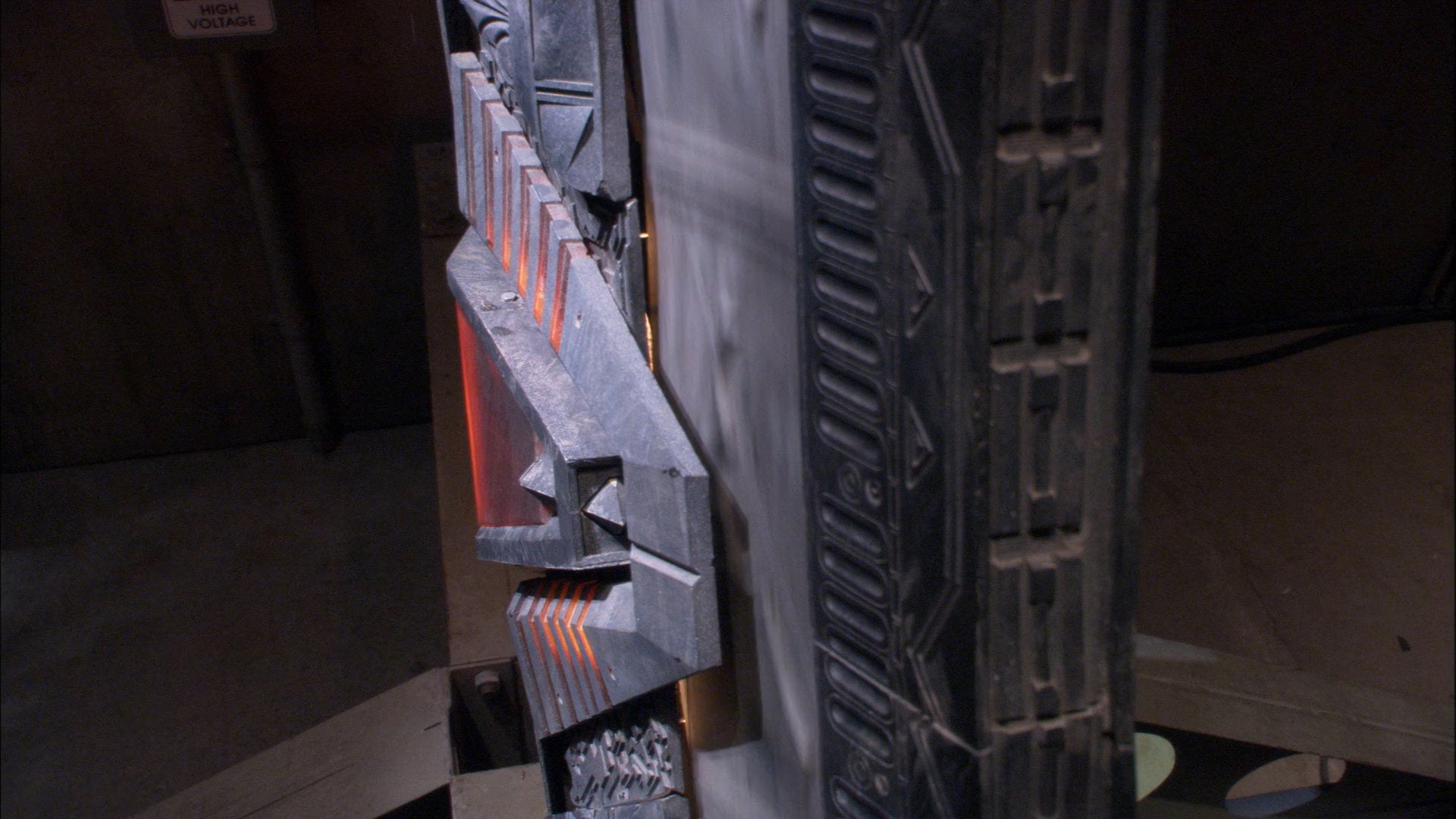
The rear face is similar to the front face, but omits the S-blocks, and the inner ring is replaced with a sort of conduit. The outer rim has an extension around the middle which is covered in an elaborate mosaic pattern.
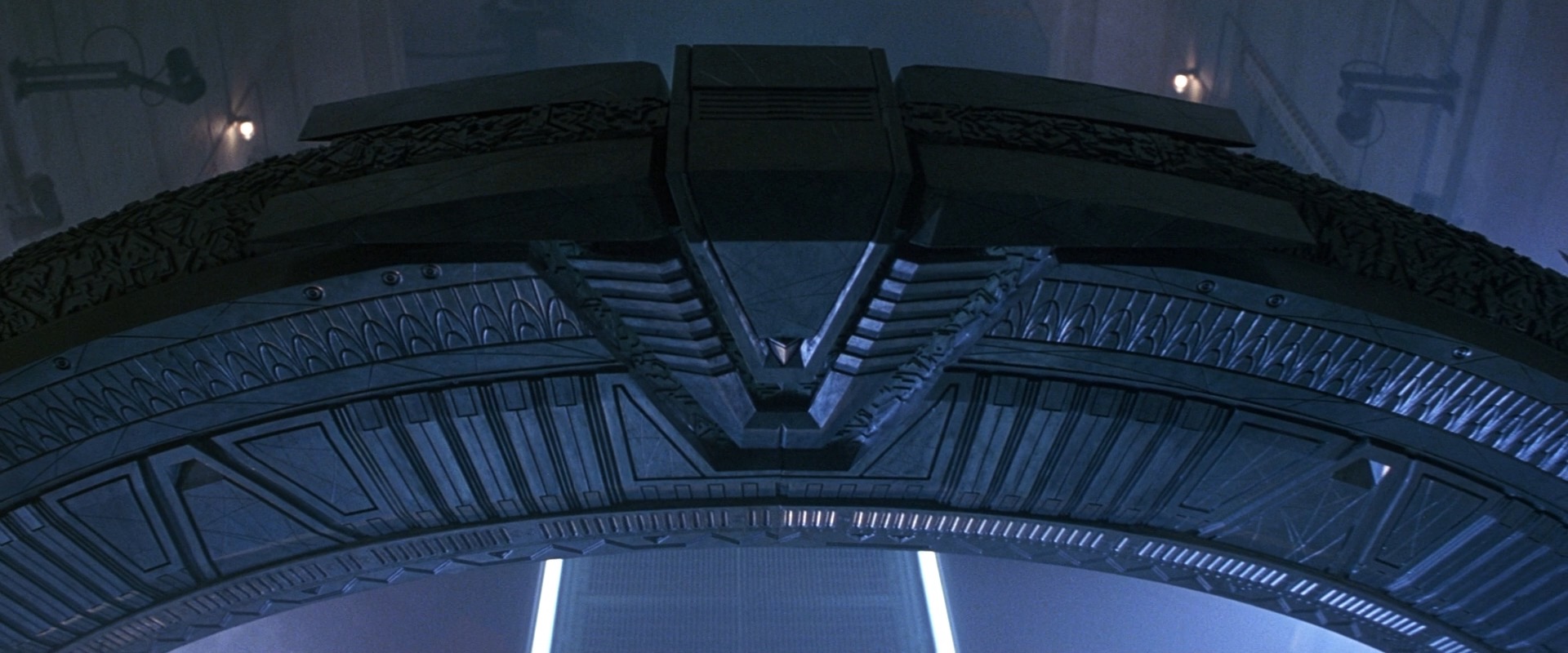
There are nine chevrons equidistantly positioned around the ring. Each chevron consists of a clamp which is set inside a slot. The slot also has a mosaic pattern inside it. Above the chevron is a jewel1I call to the jewel the “Chevron Block” in my models, and the clamp simply the “Chevron,” but I’m using terminology from the production of the film for clarity in this article, rather than having the words “chevron” and “block” refer to multiple objects. Above the jewel, level with the rim, are four “wings.”
The stargate’s outer diameter is exactly 20 feet. The ring itself is 2.5 feet thick, making the inner diameter 15 feet. Since you’ll probably be building out from the centerpoint using lathe and array tools in a 3D program, here are those figures as radii:
Outer radius: 10 feet / 3.048 meters
Inner radius: 7.5 feet / 2.286 meters
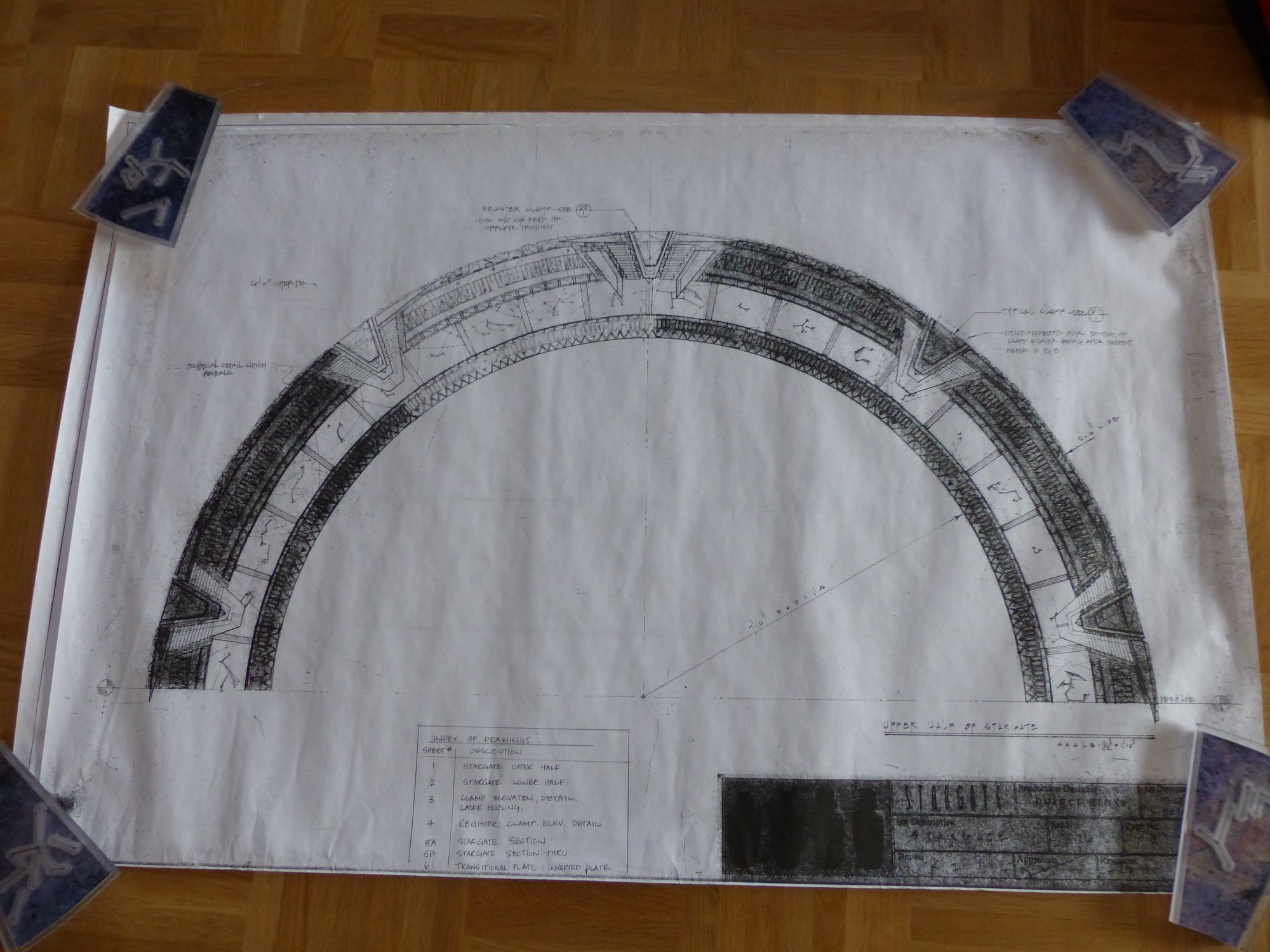
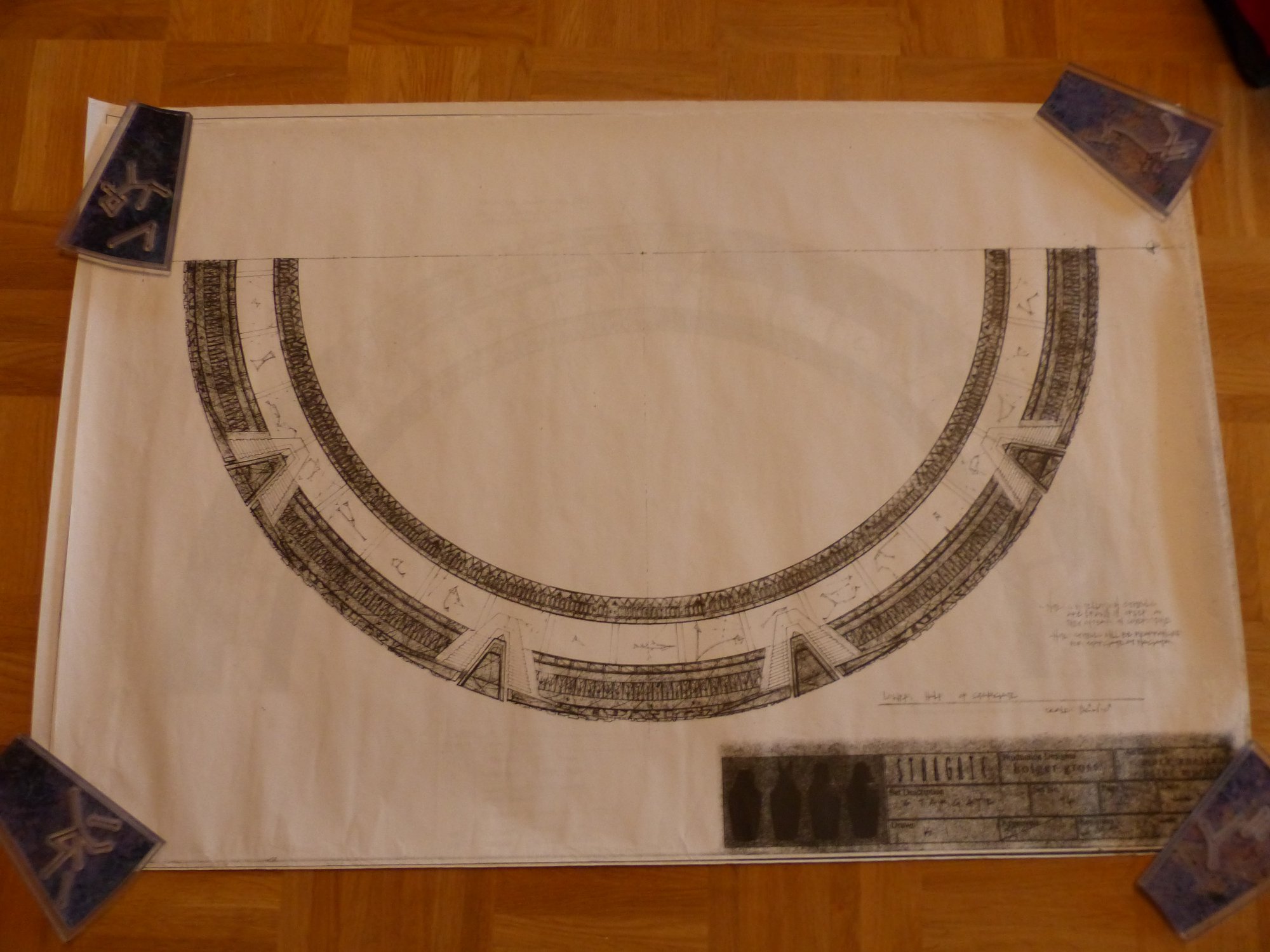
The first two stargates were ultimately hand-constructed, and may not exactly match the designed measurements, so I’m going to avoid any further figures, and explain the sizes of all the elements in relative terms.
Continue reading
| ↑1 | I call to the jewel the “Chevron Block” in my models, and the clamp simply the “Chevron,” but I’m using terminology from the production of the film for clarity in this article, rather than having the words “chevron” and “block” refer to multiple objects. |
|---|
Virtual Set for Stepful
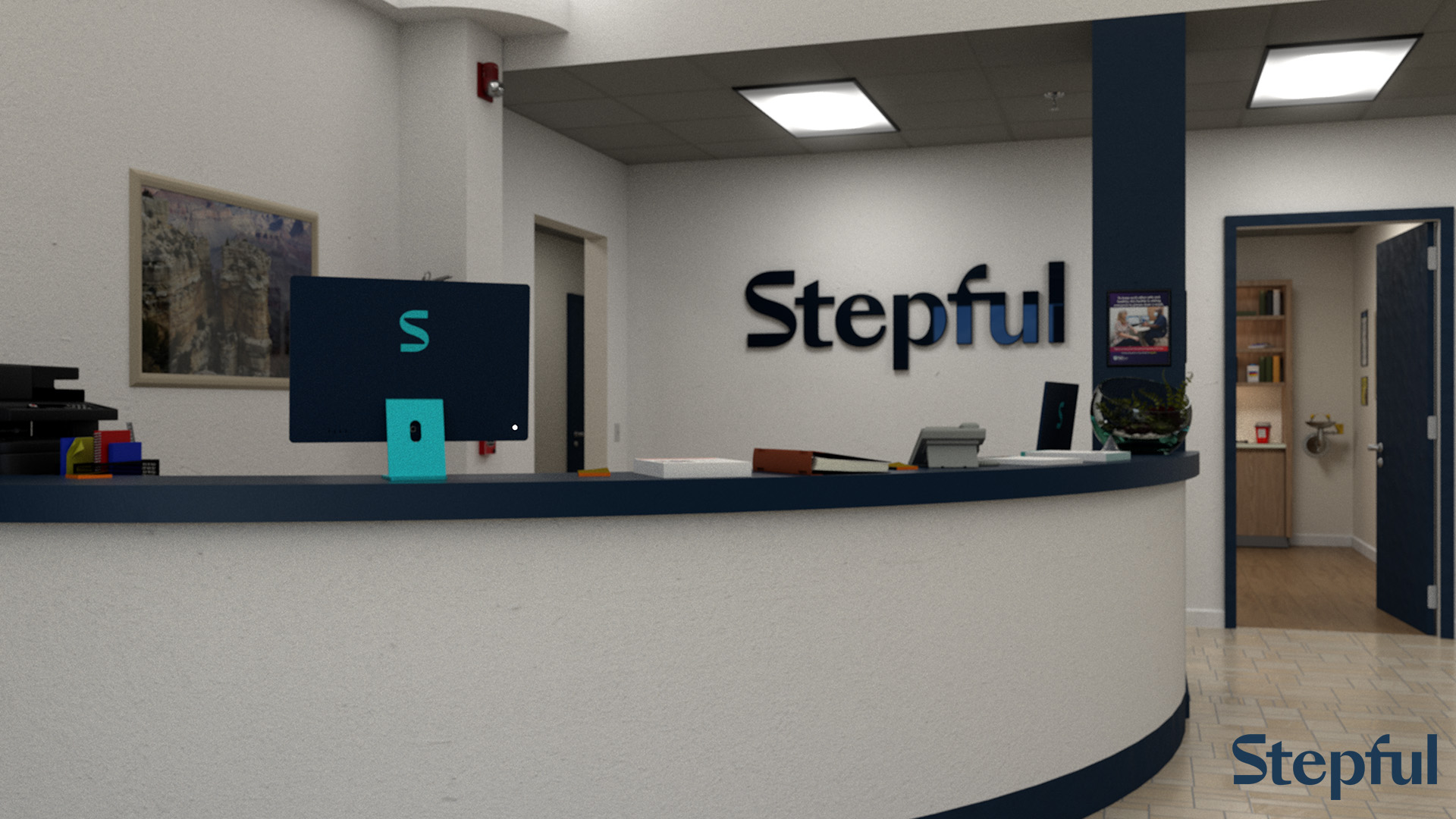
Since 2024, I’ve been working with Stepful as a video post-production generalist. Stepful is a company that provides on-line training courses for various medical certifications. I edit (and occasionally direct) prerecorded lessons for their courses, similar to the kinds of videos I made when I worked at UC Santa Cruz.
Continue readingMiami Photowalk 18: Downtown Miami
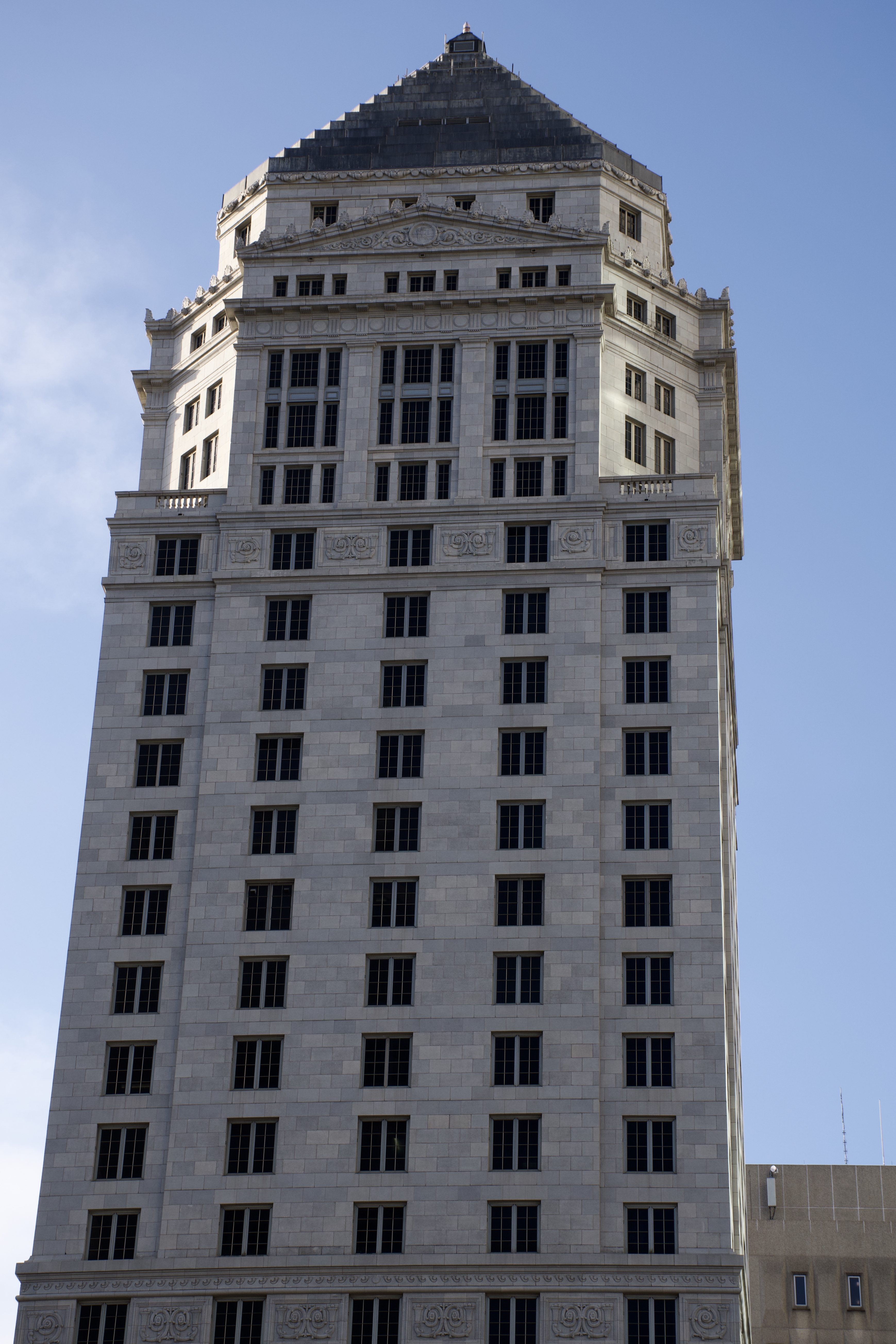
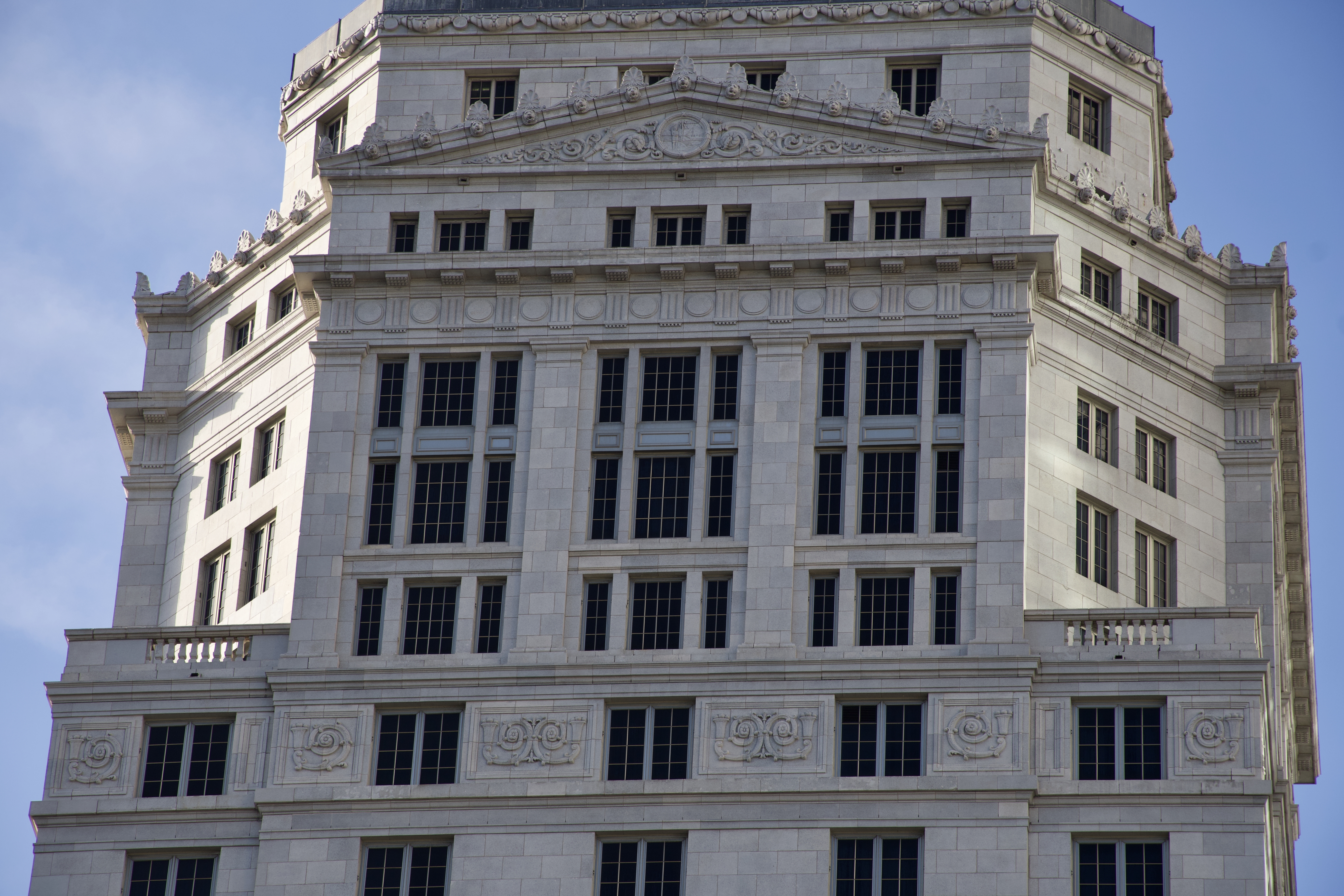
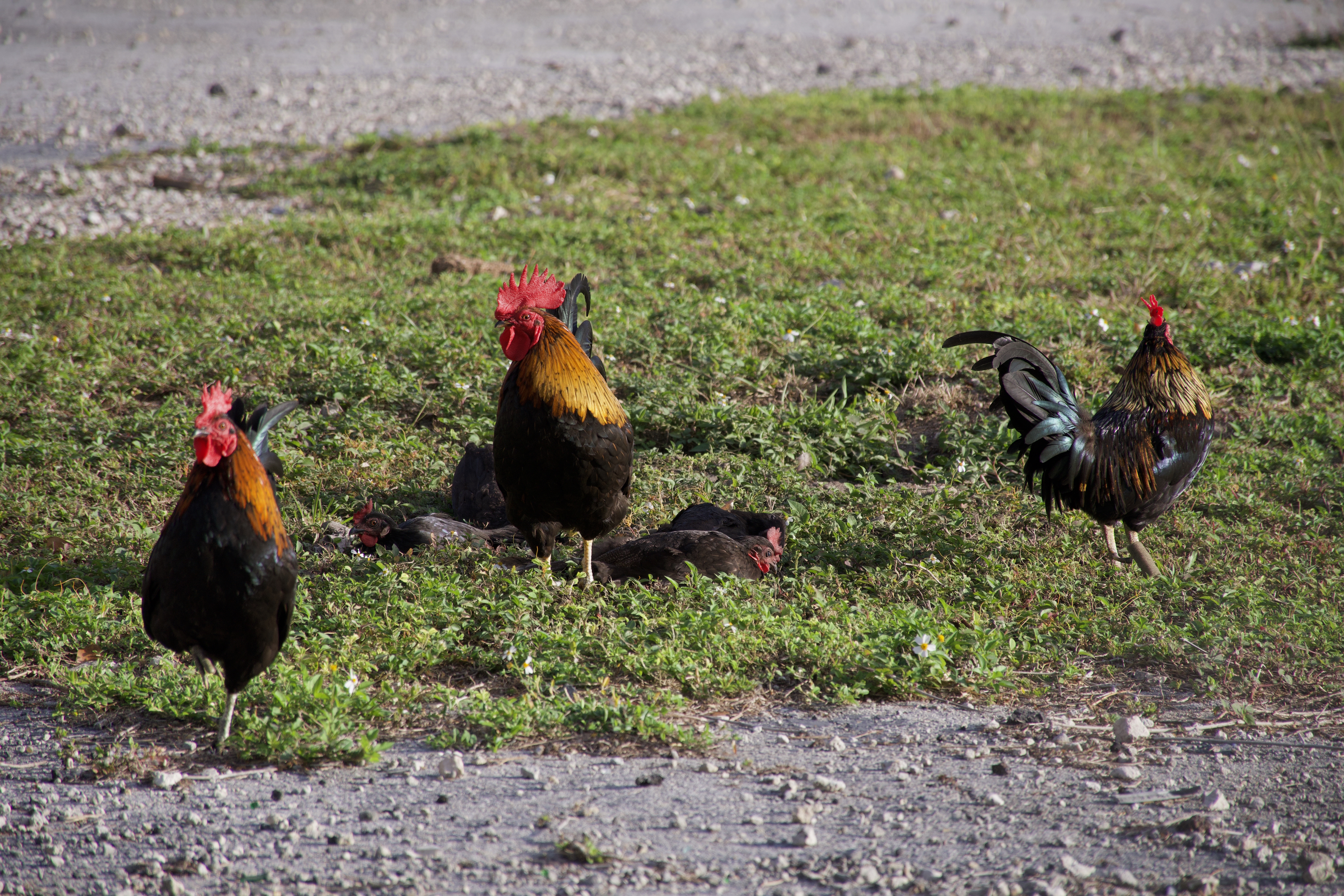
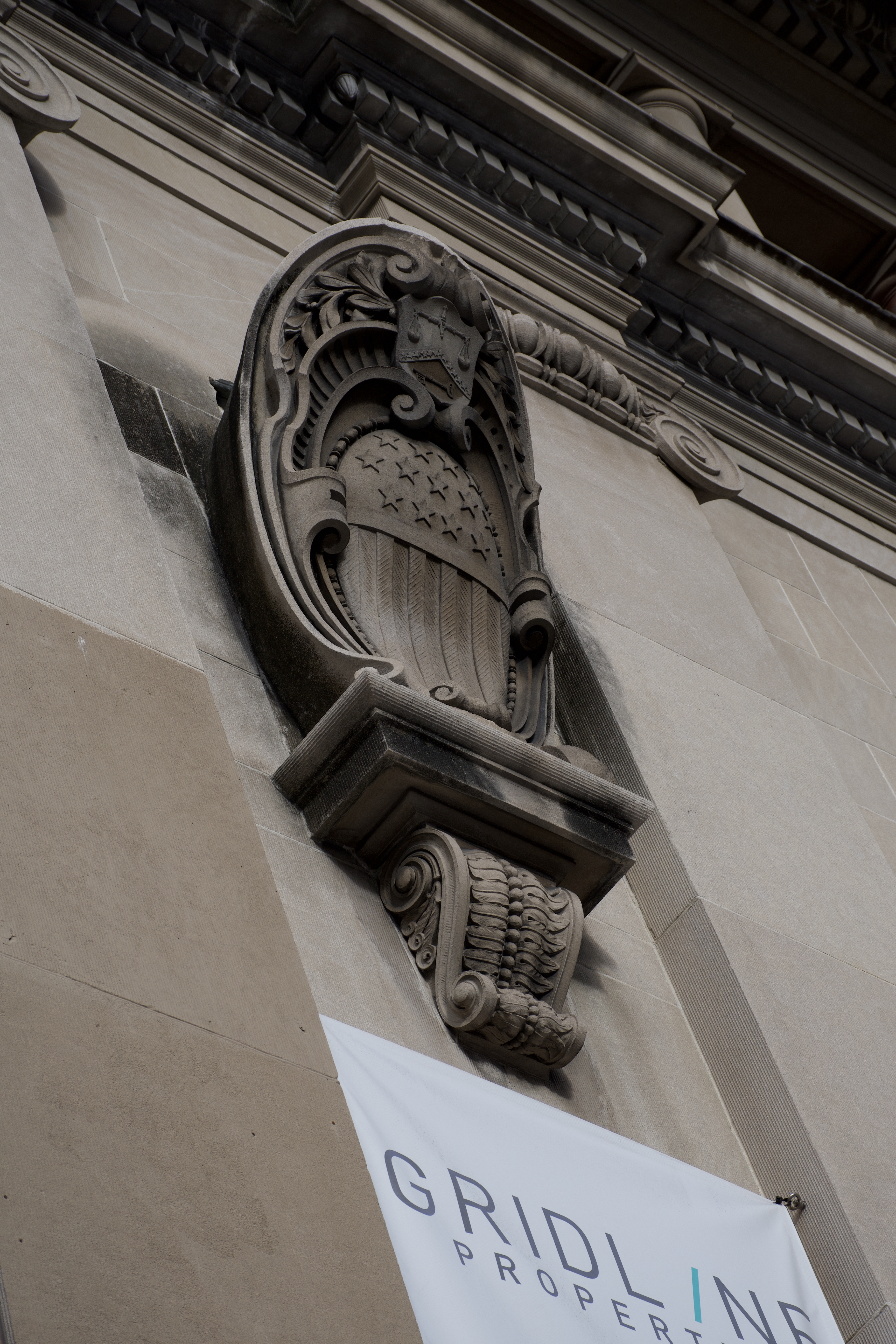
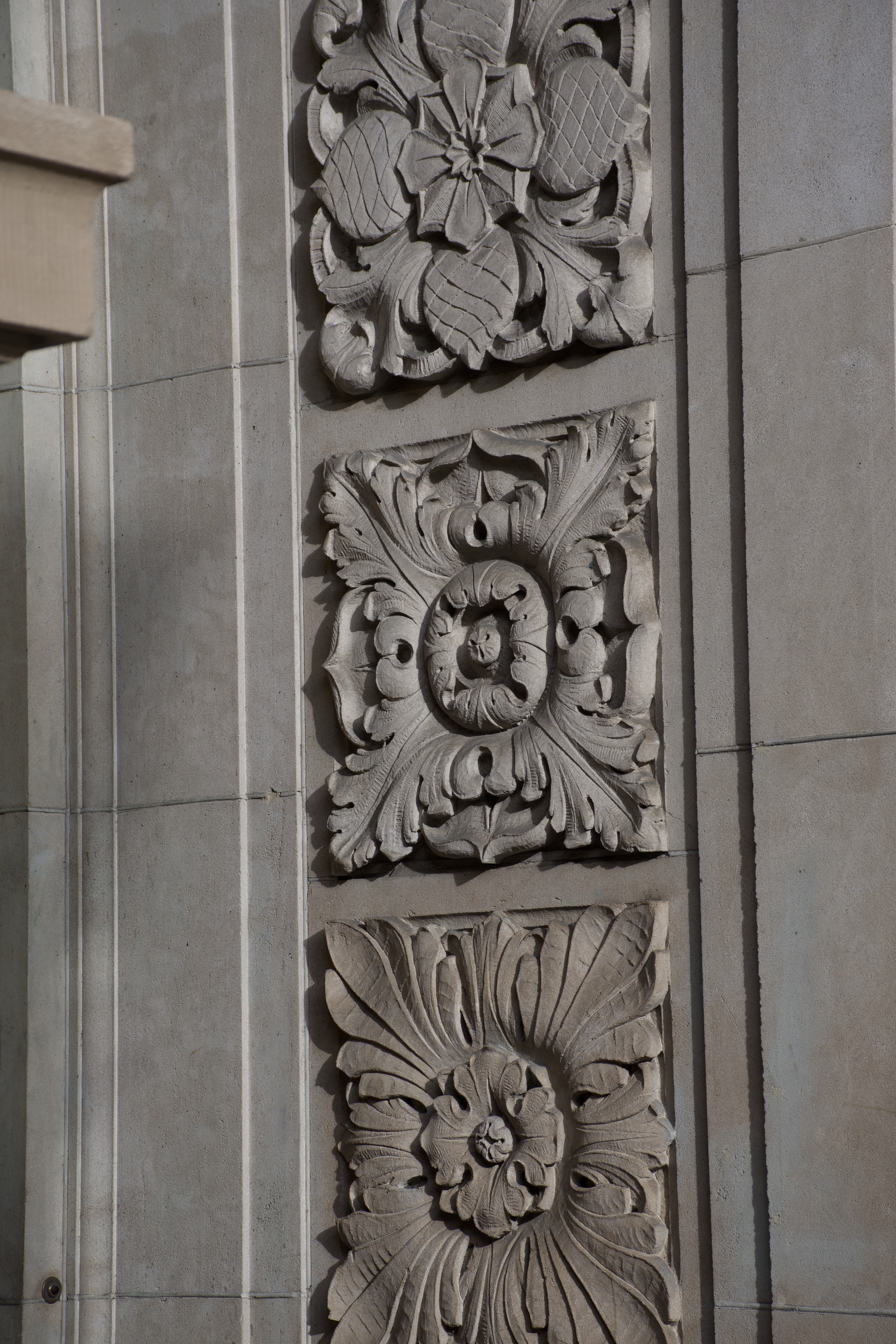
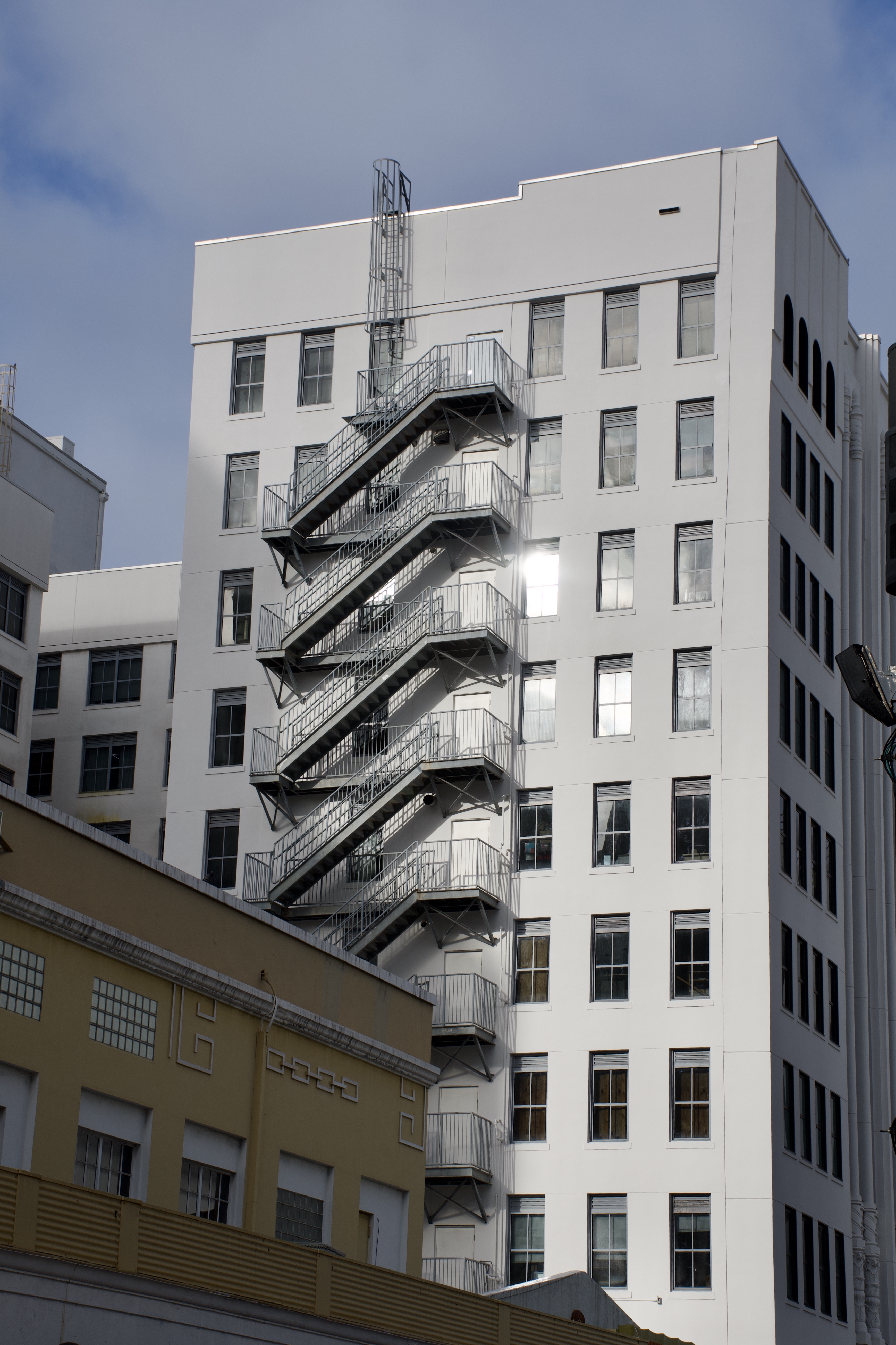
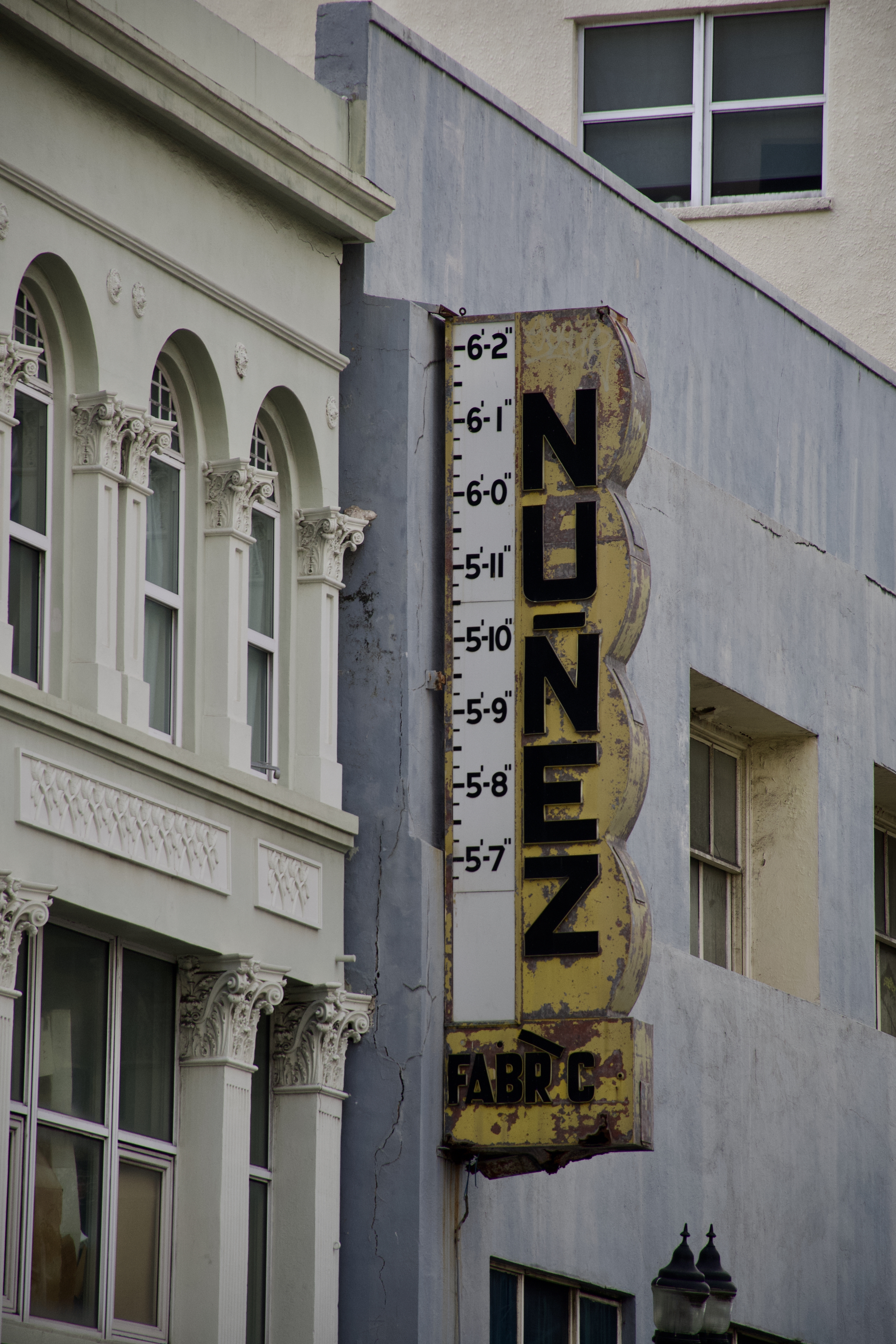
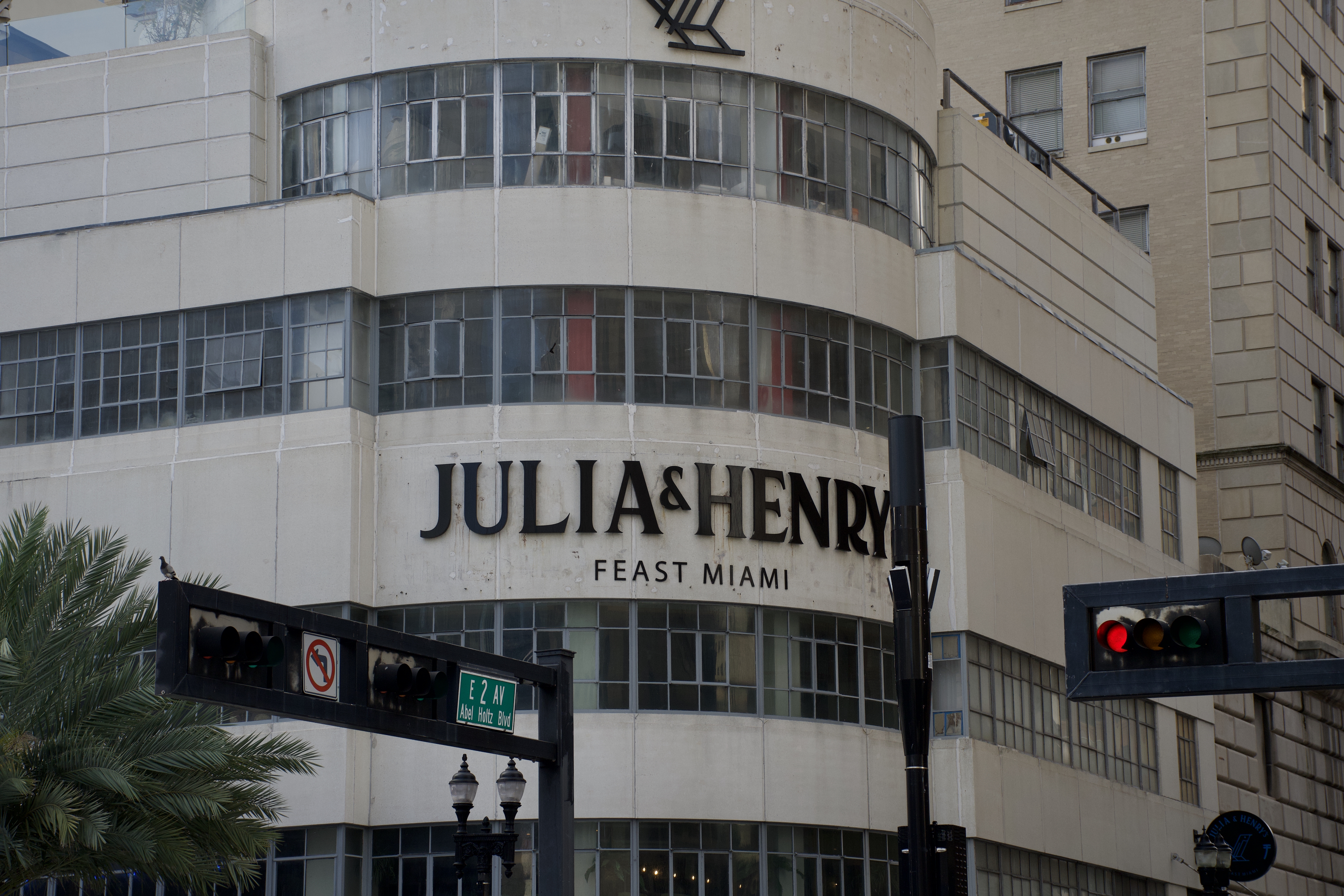
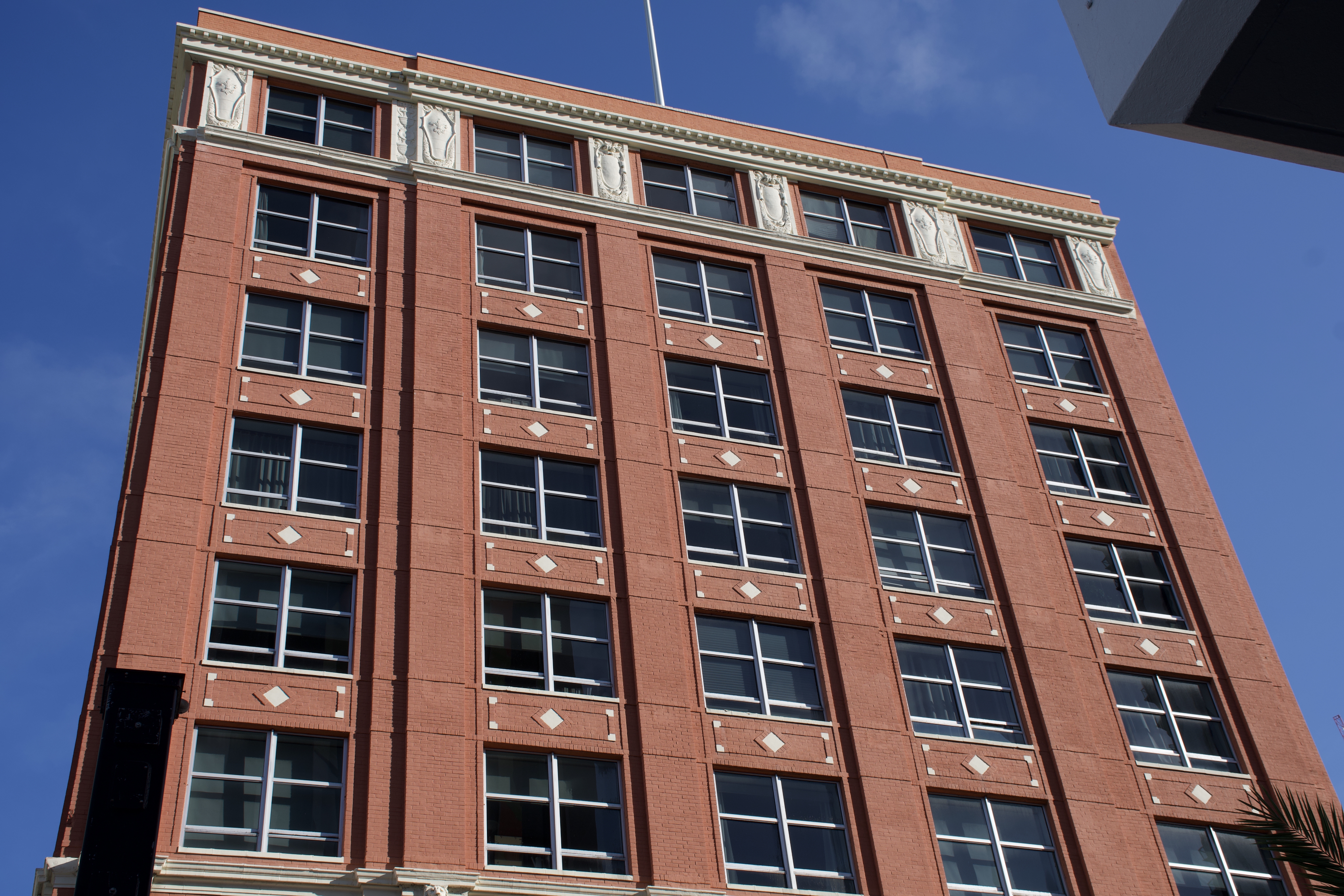
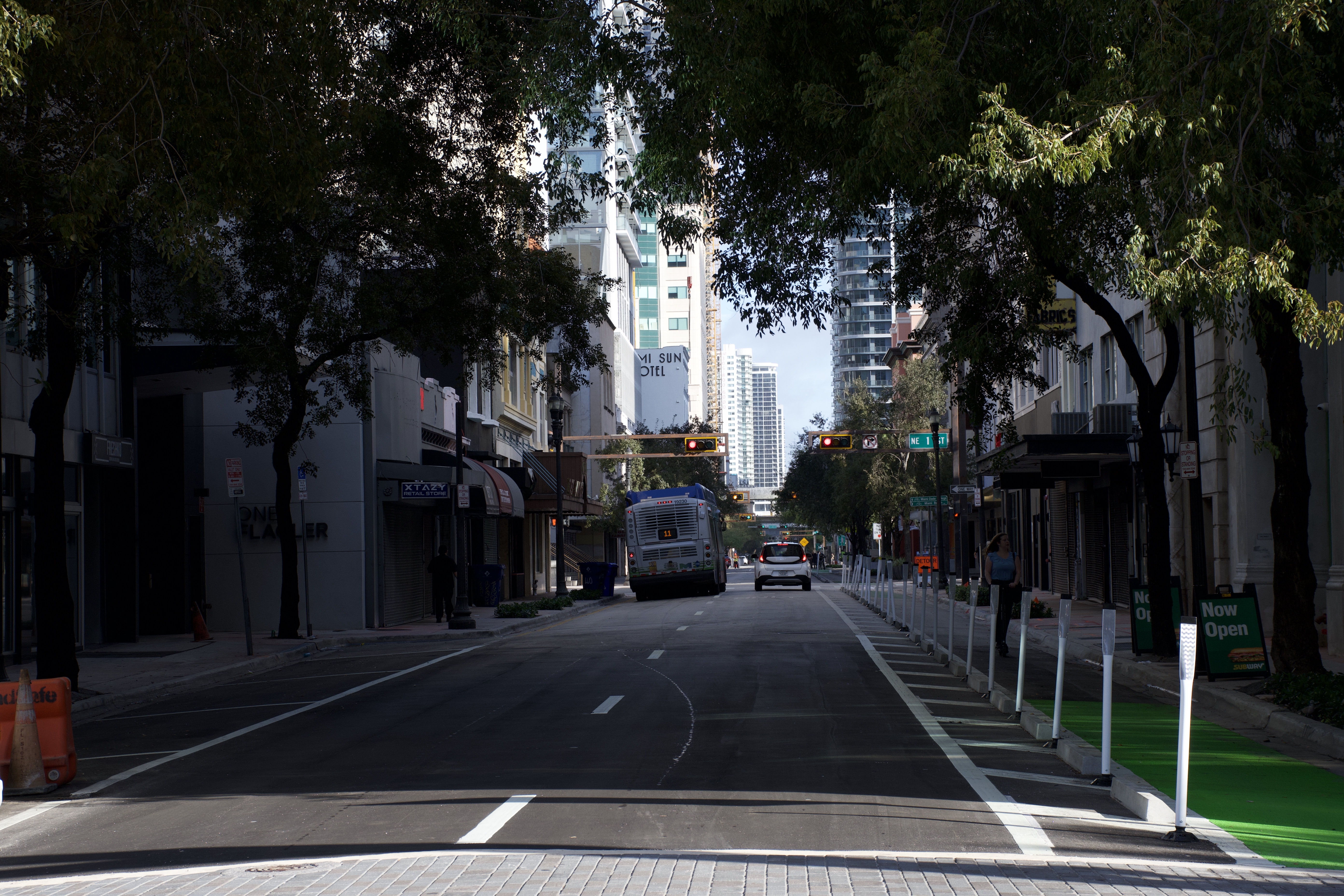
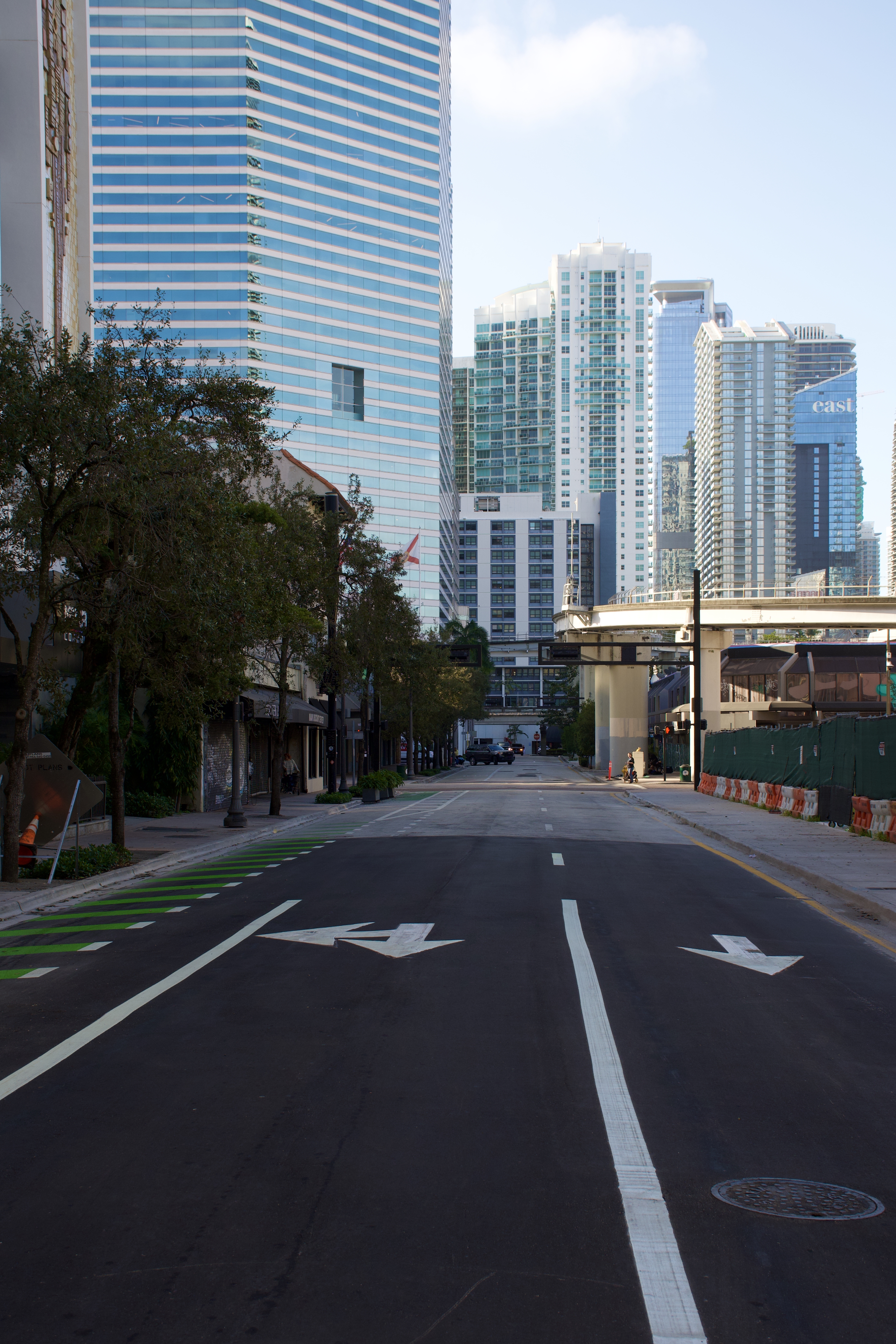
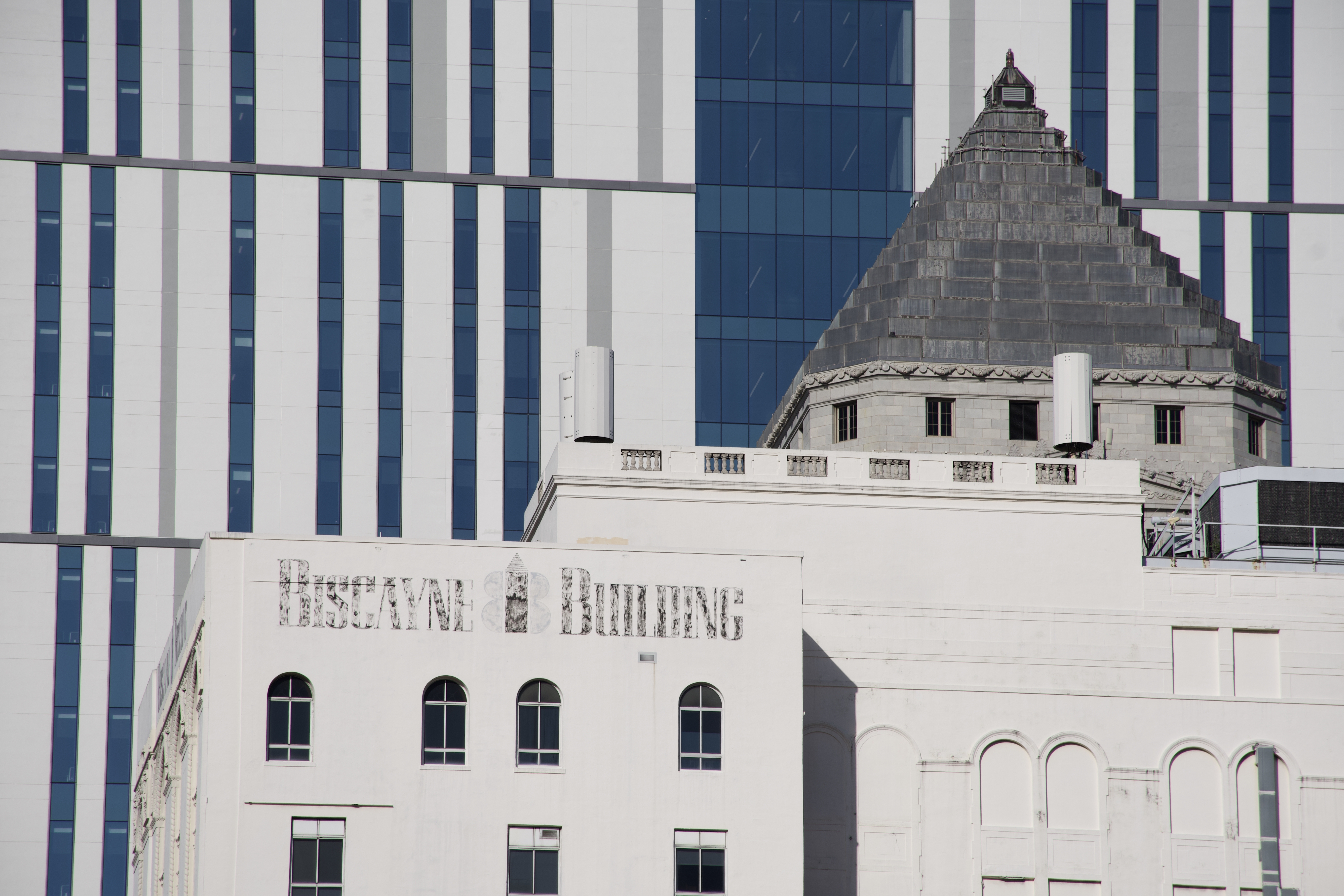
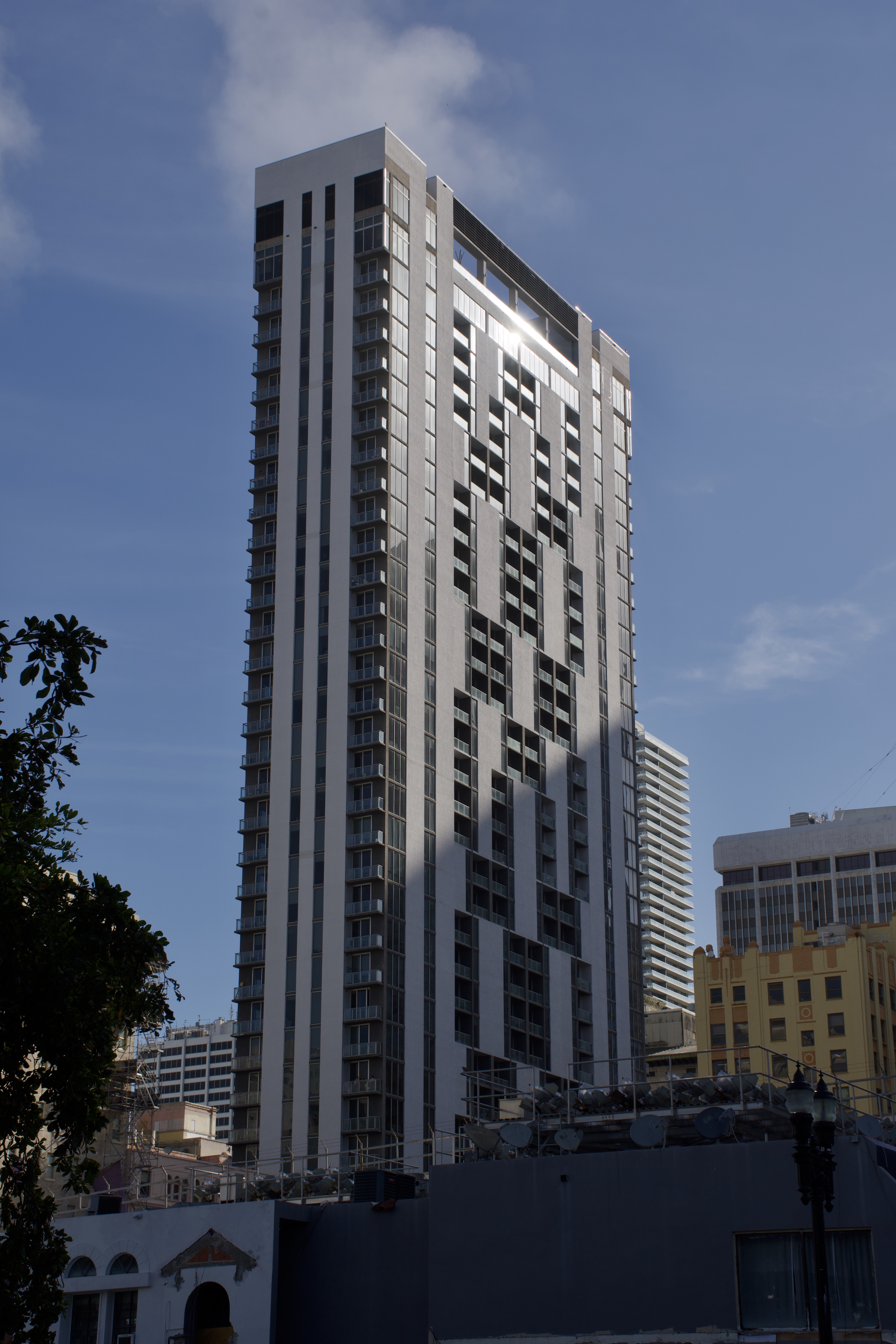
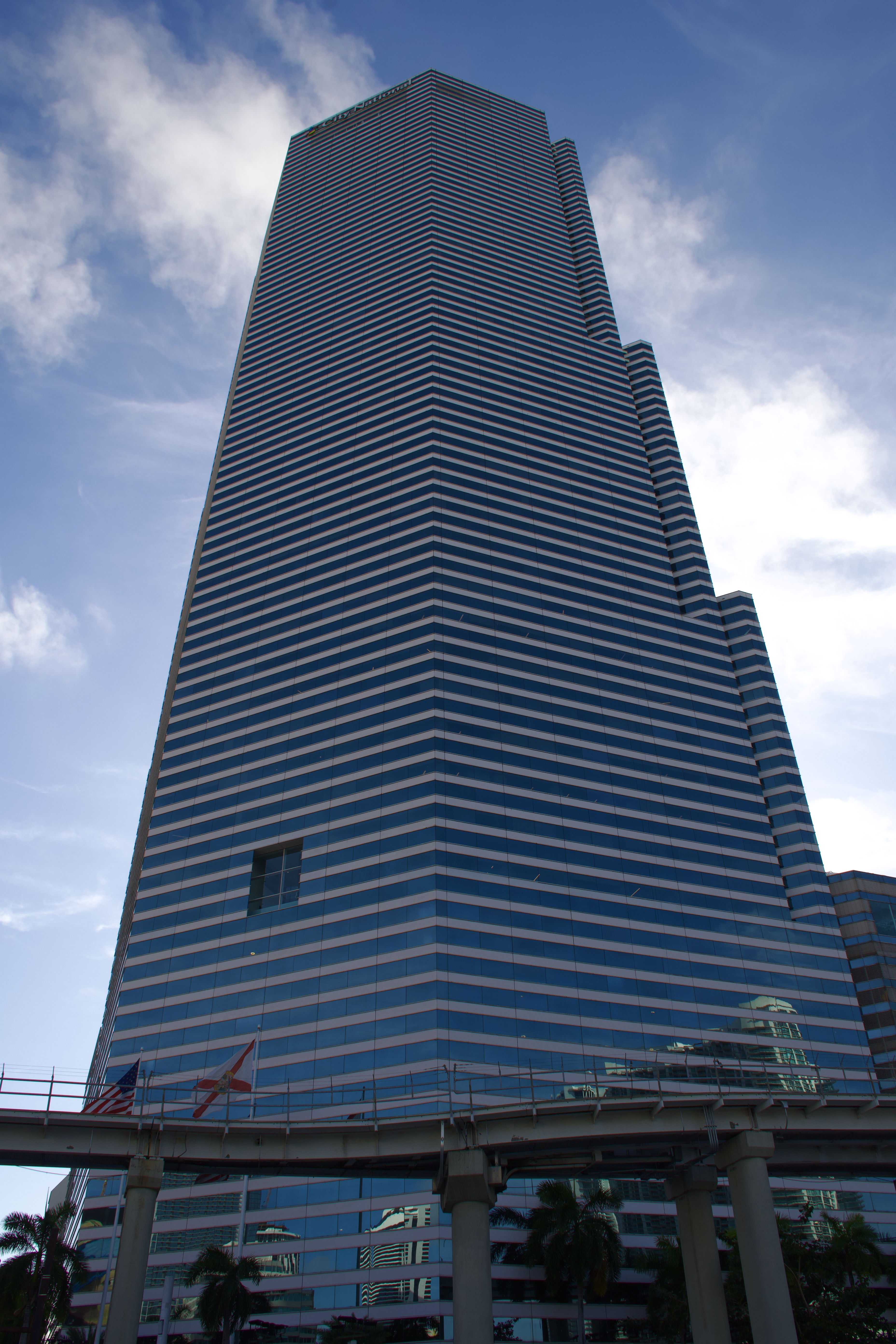
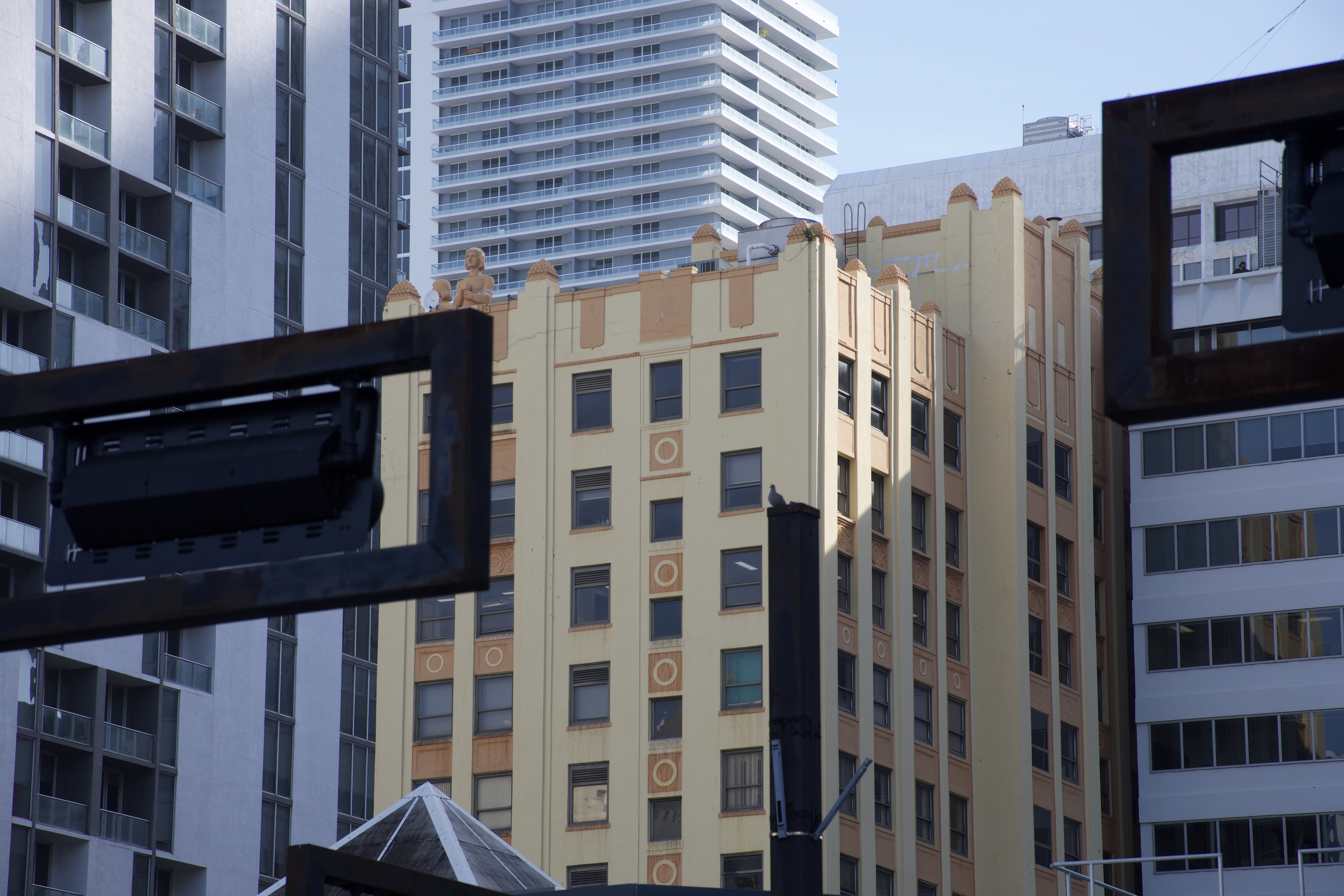
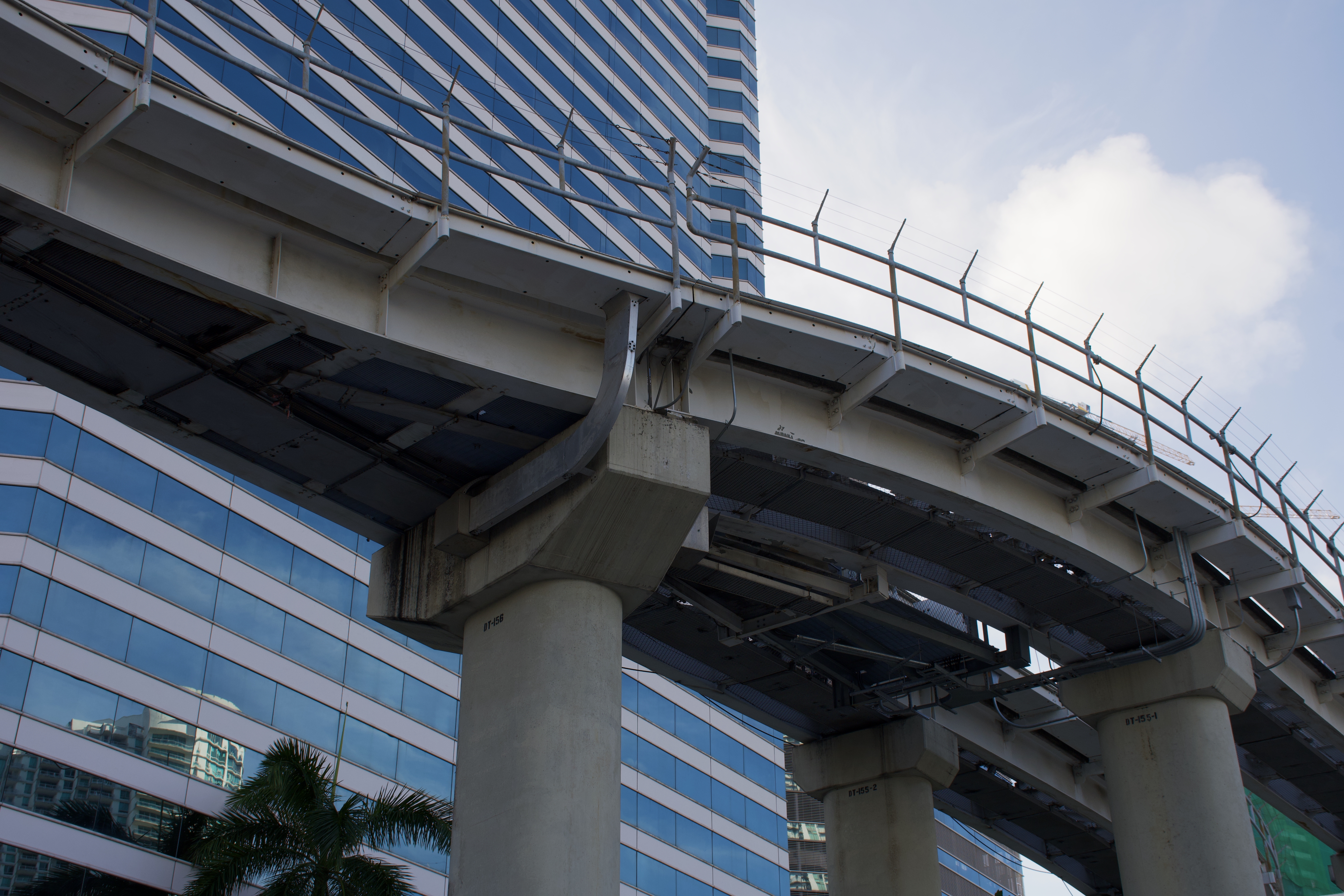
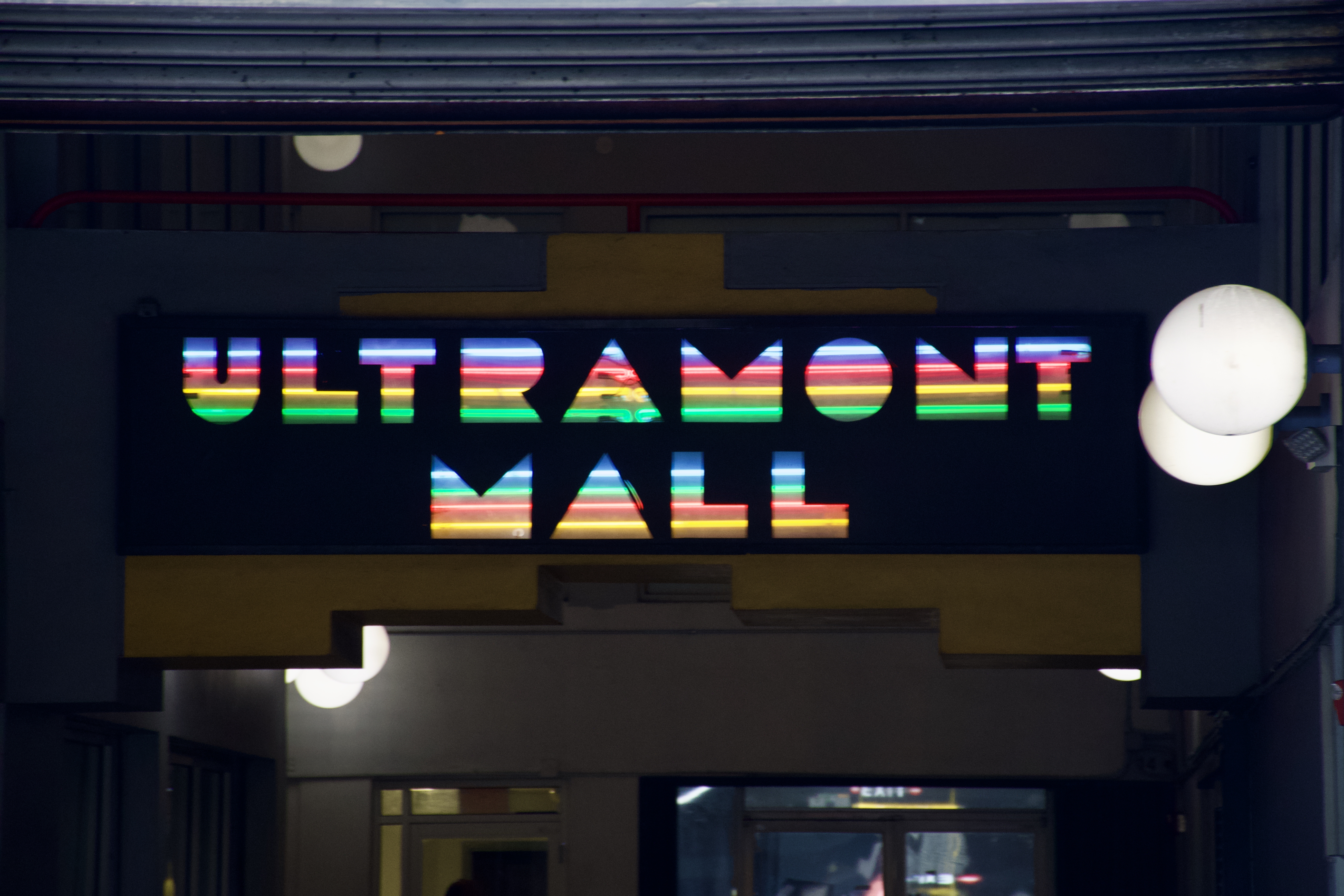
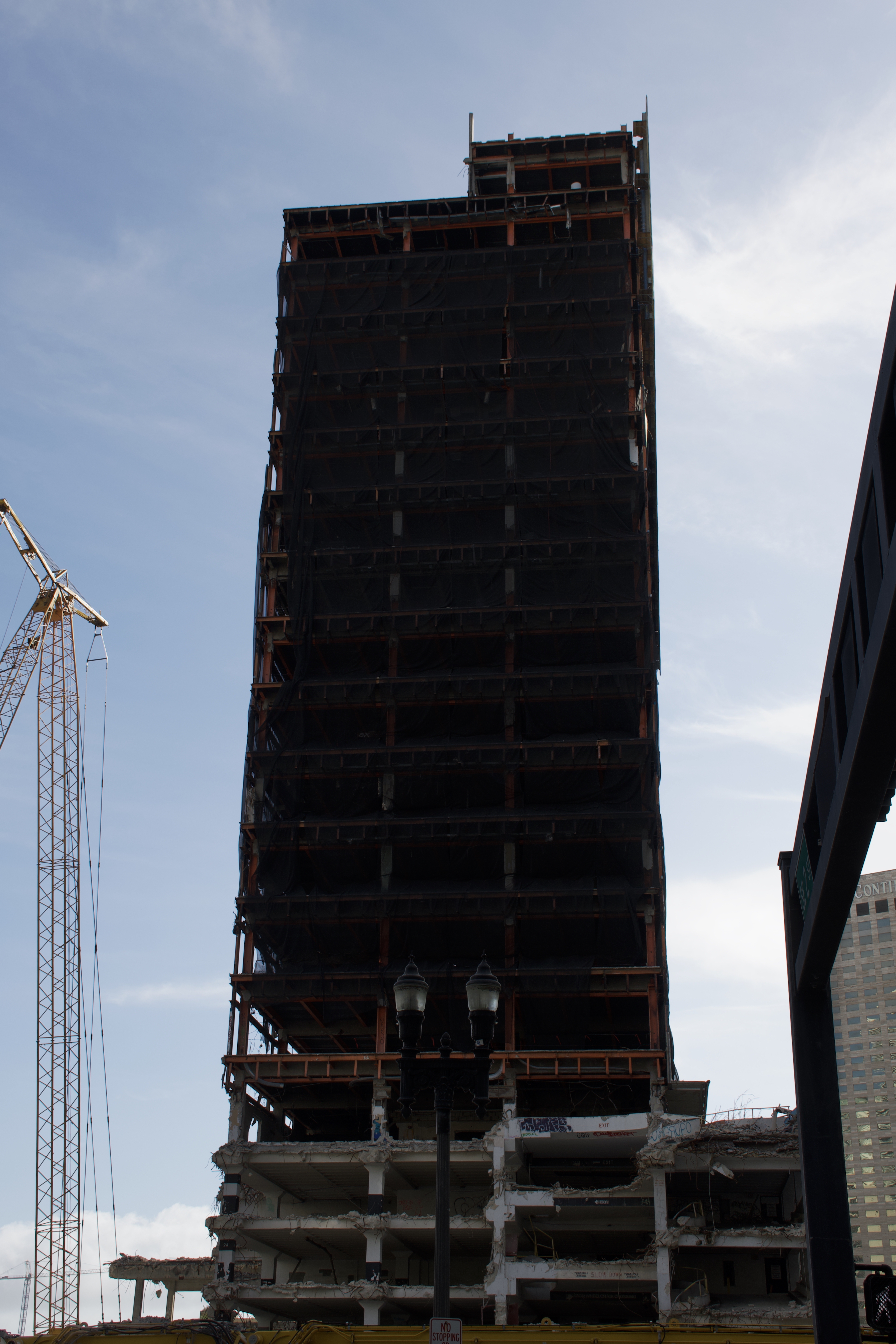
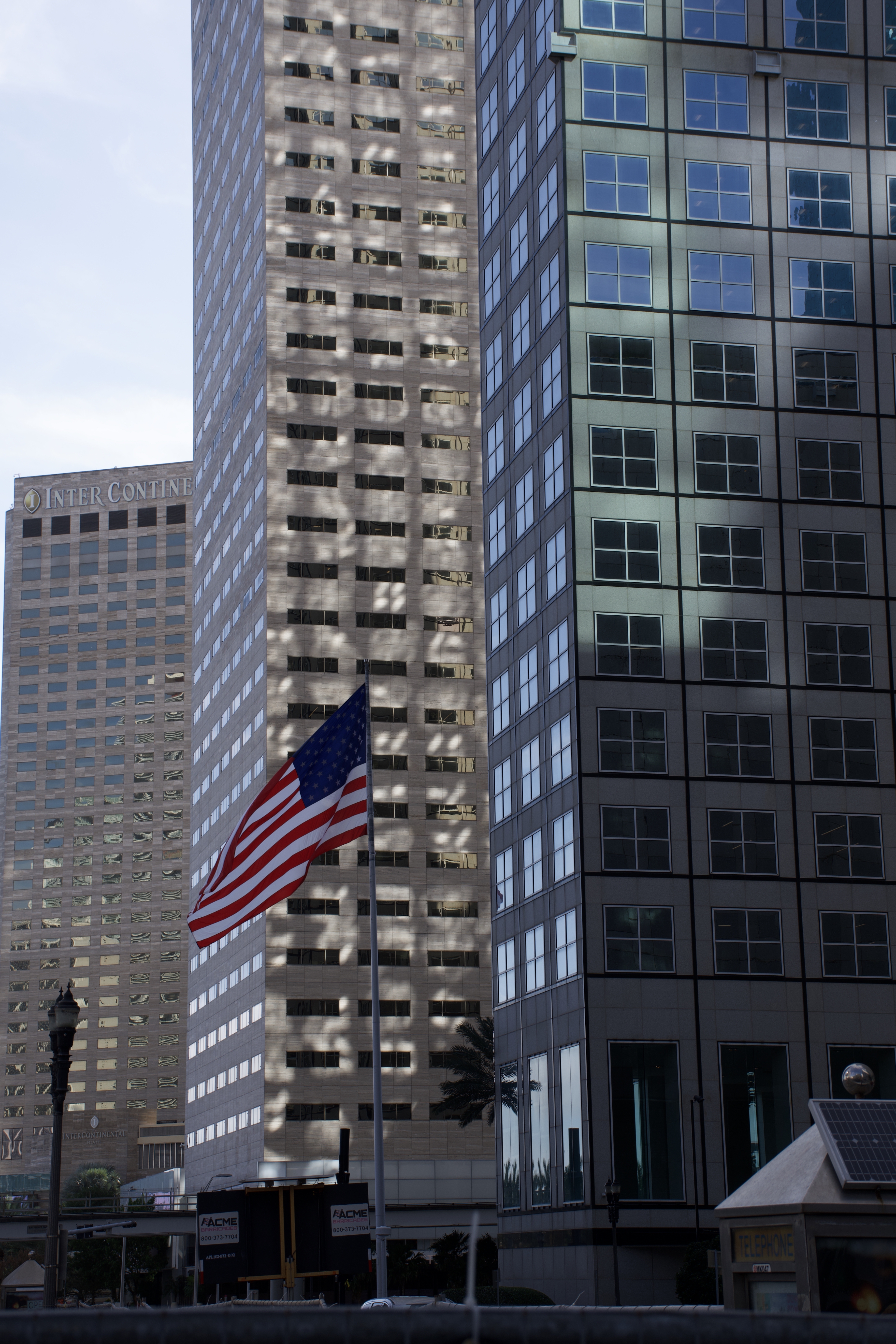
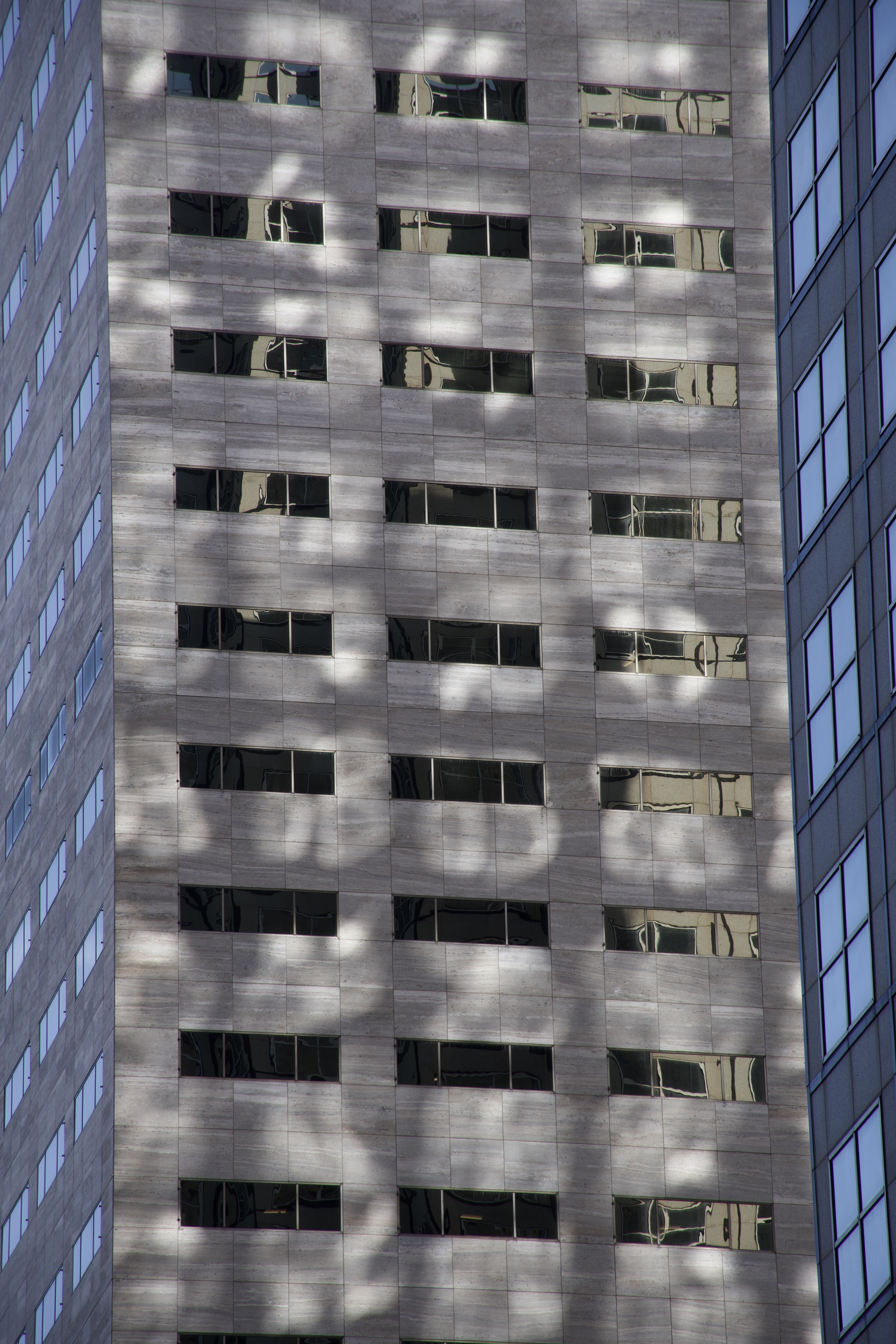
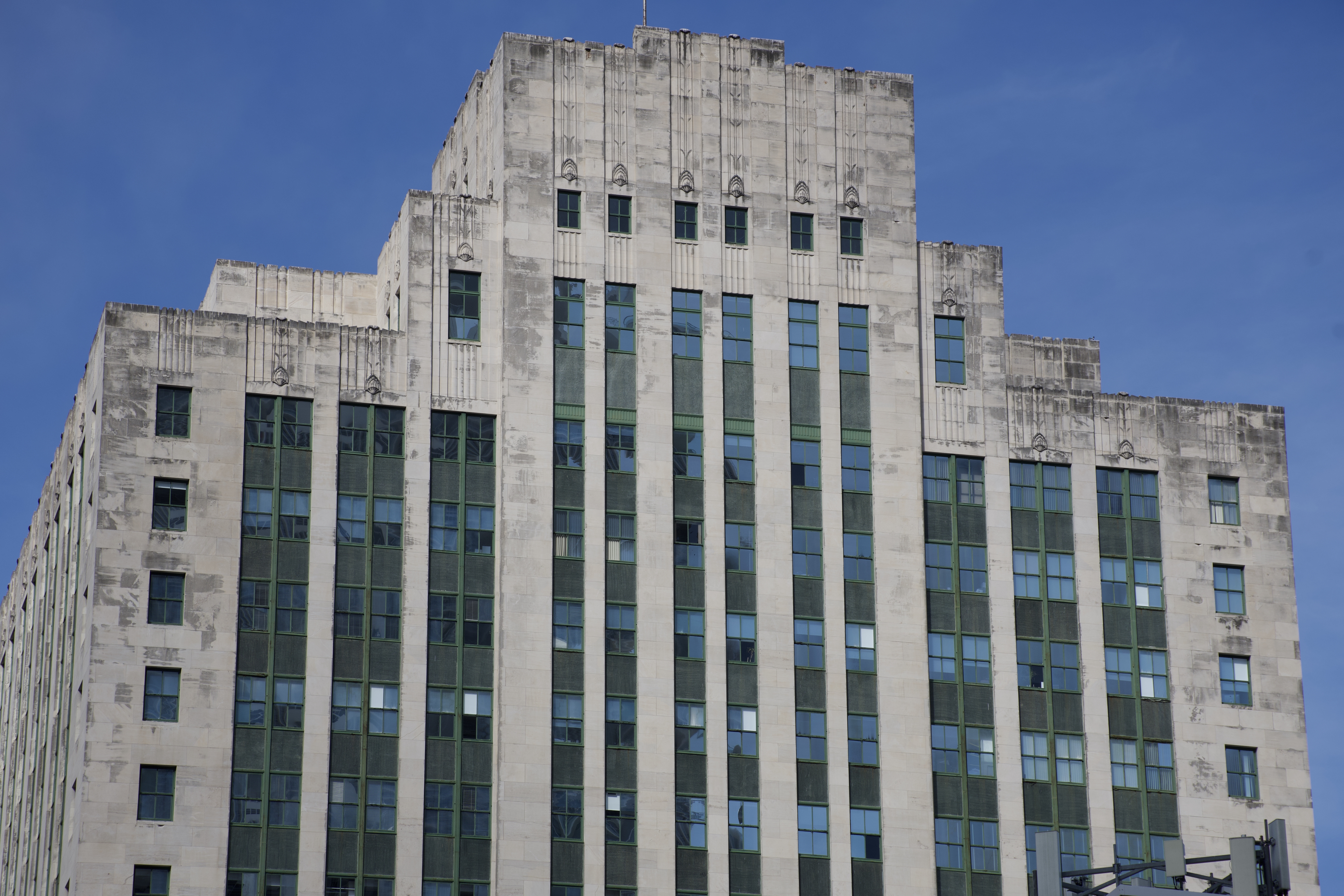
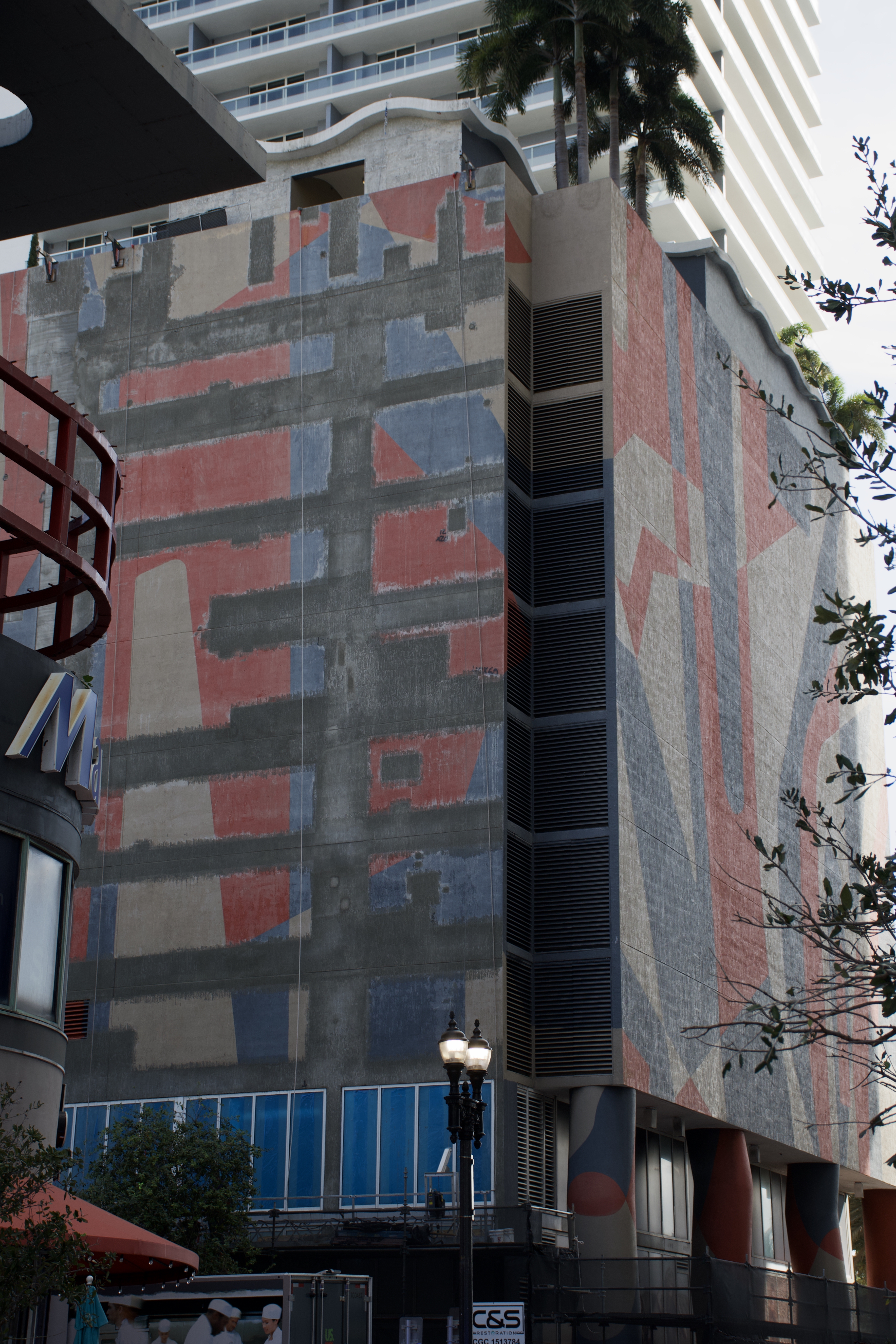
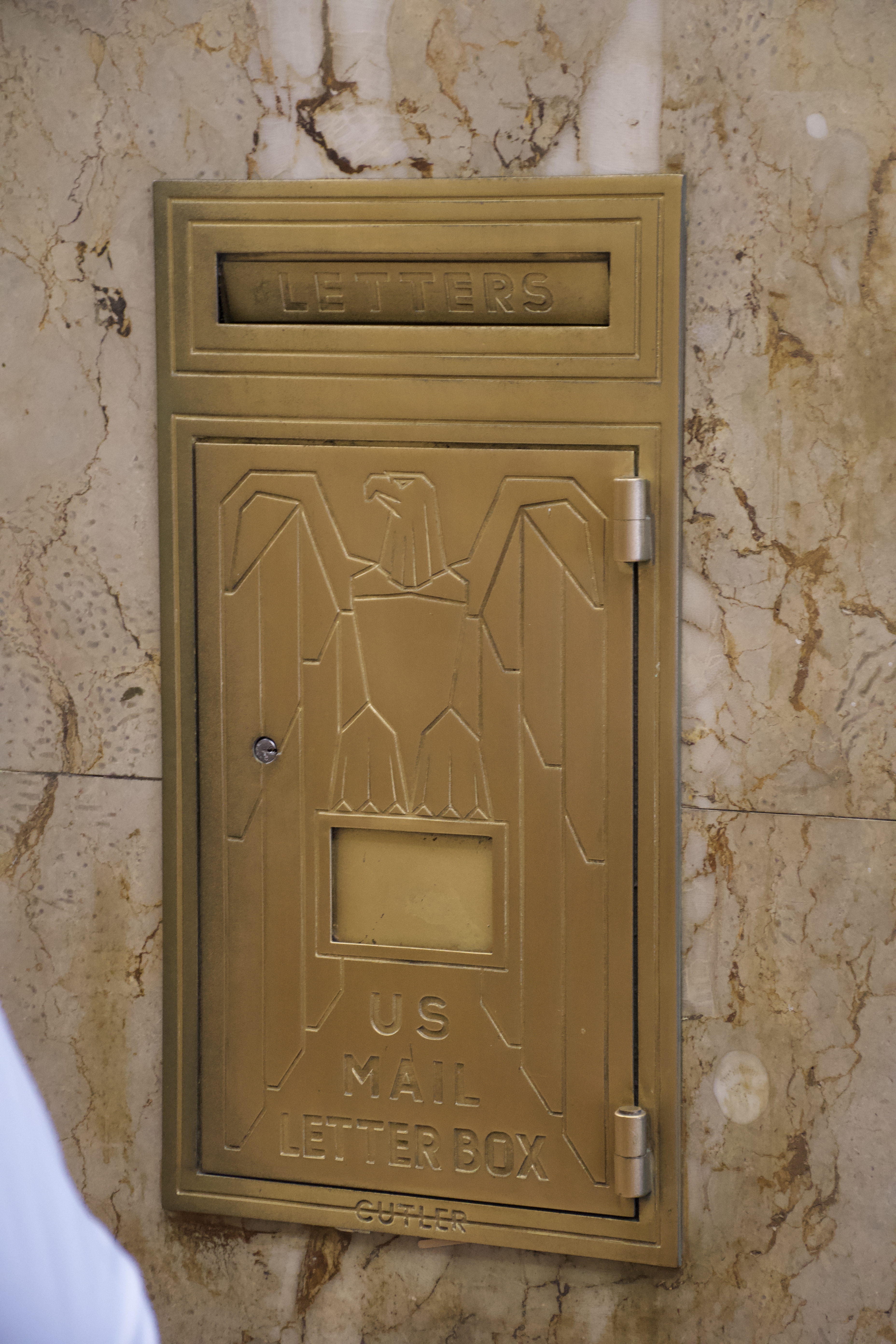
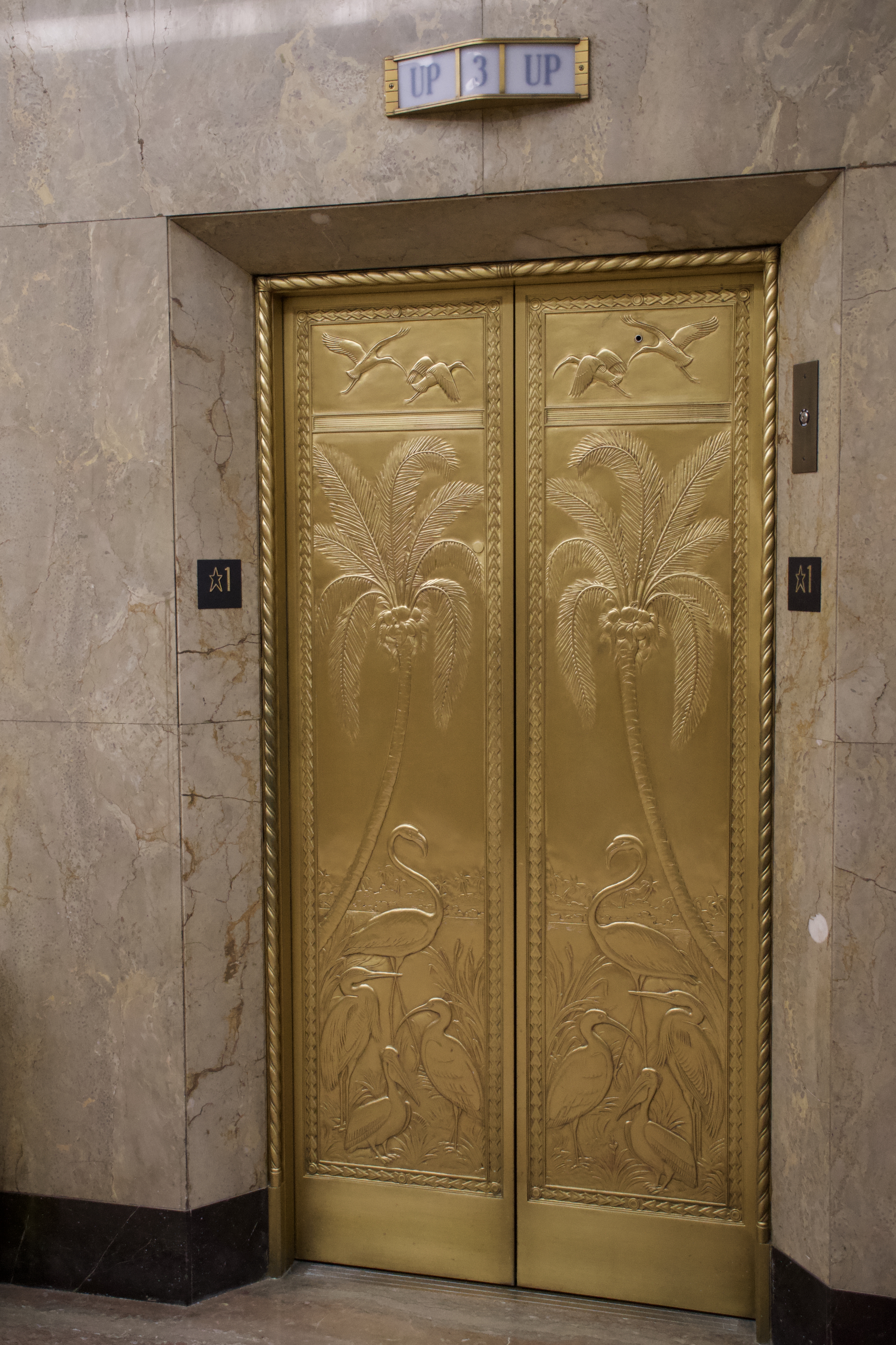
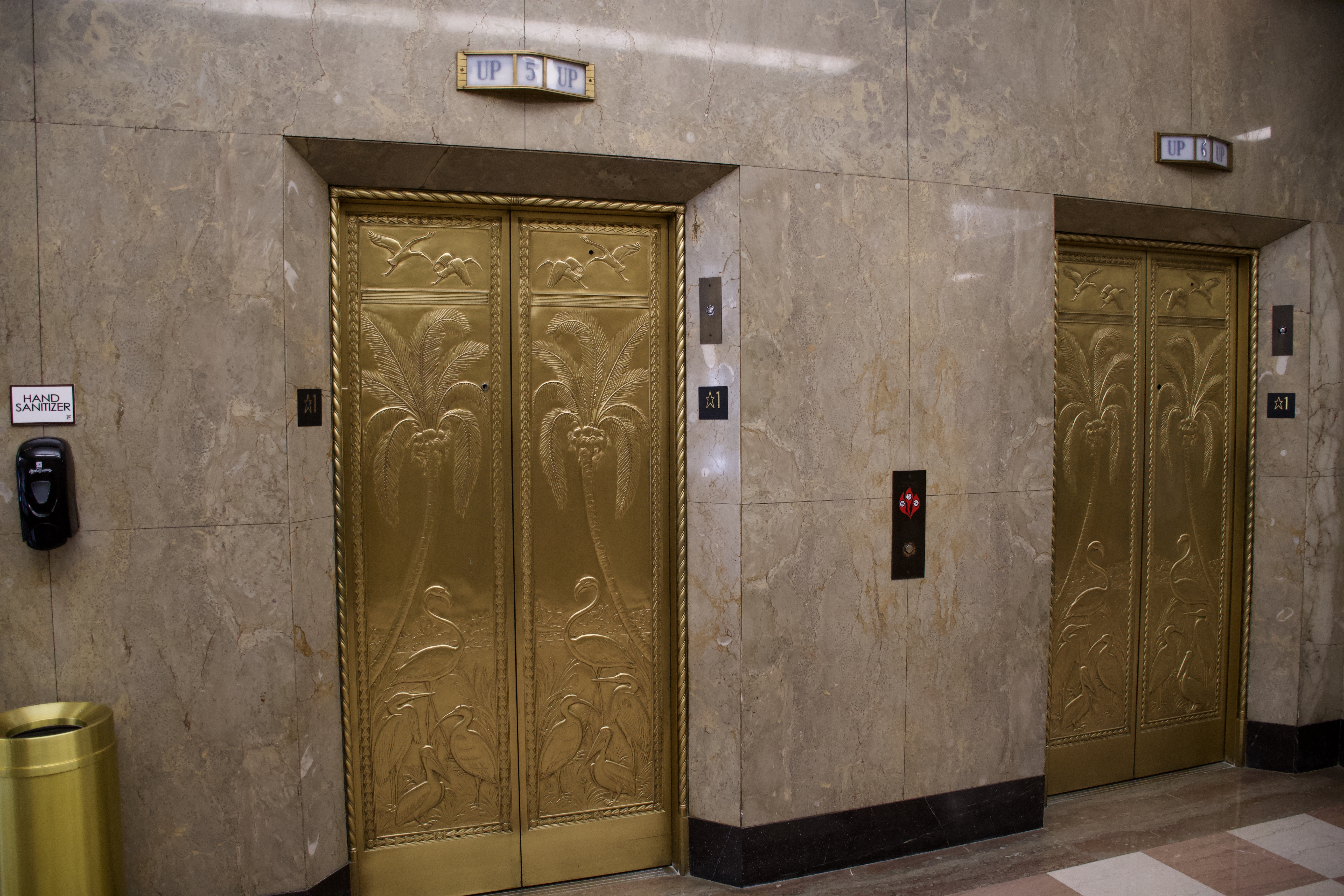
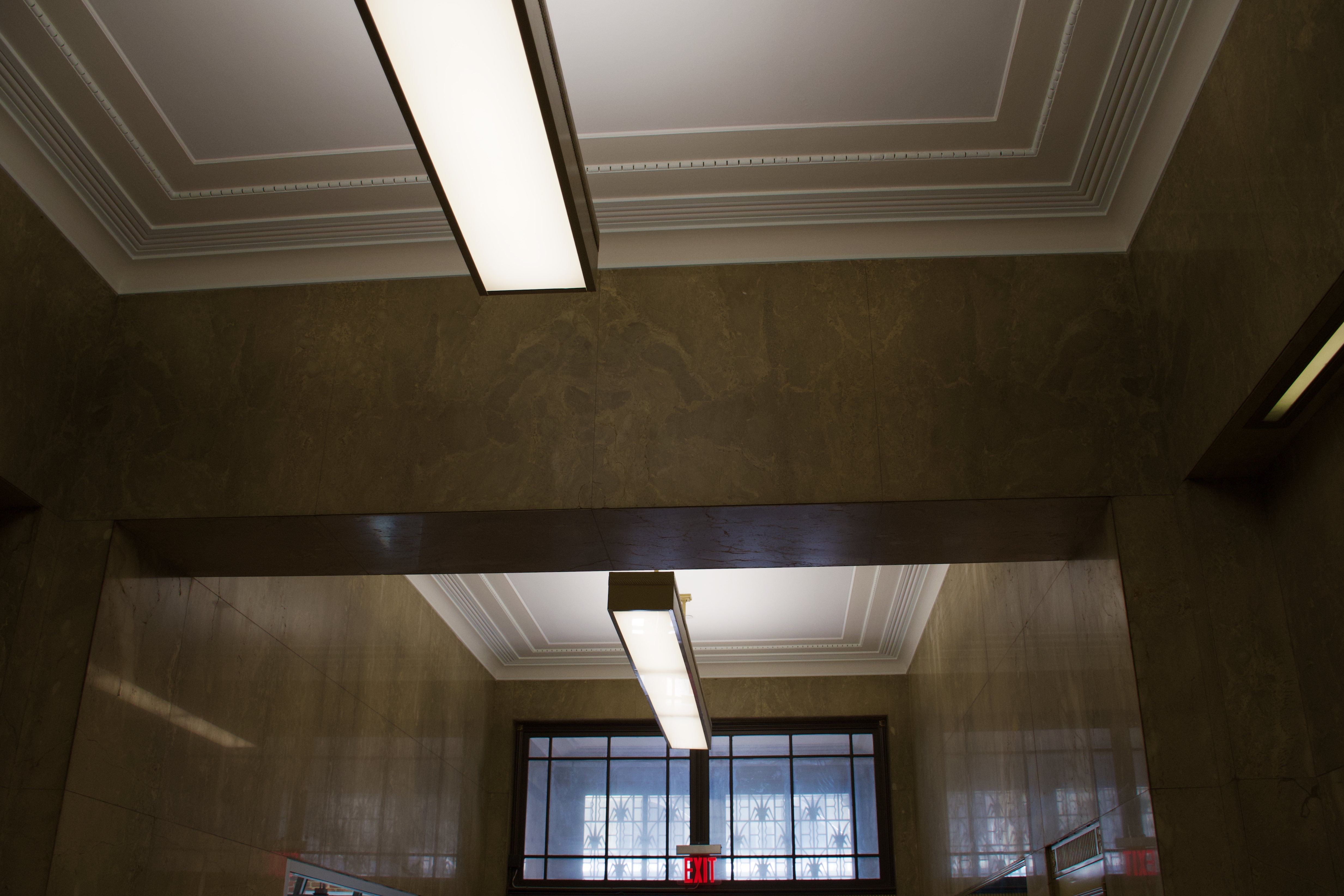
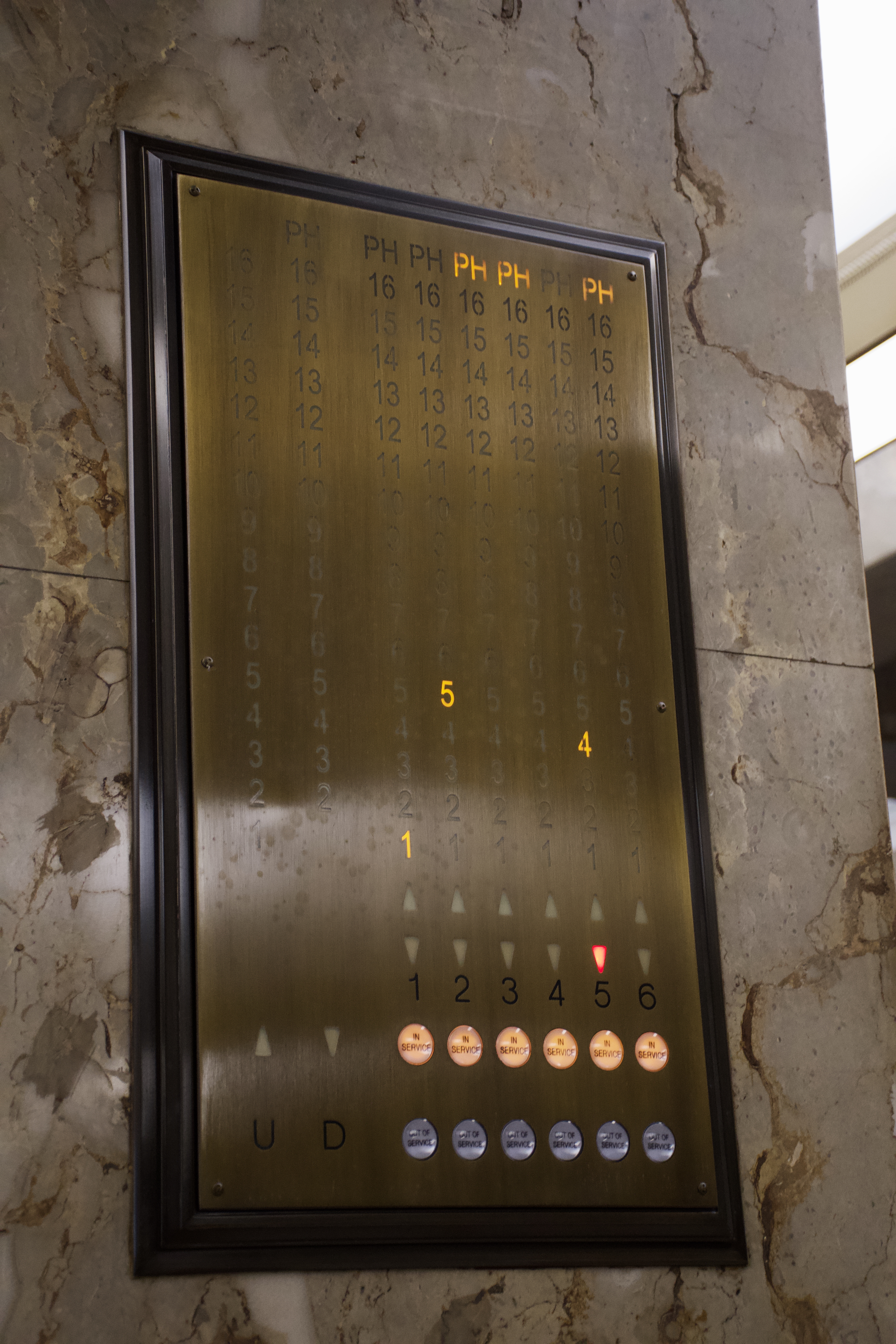
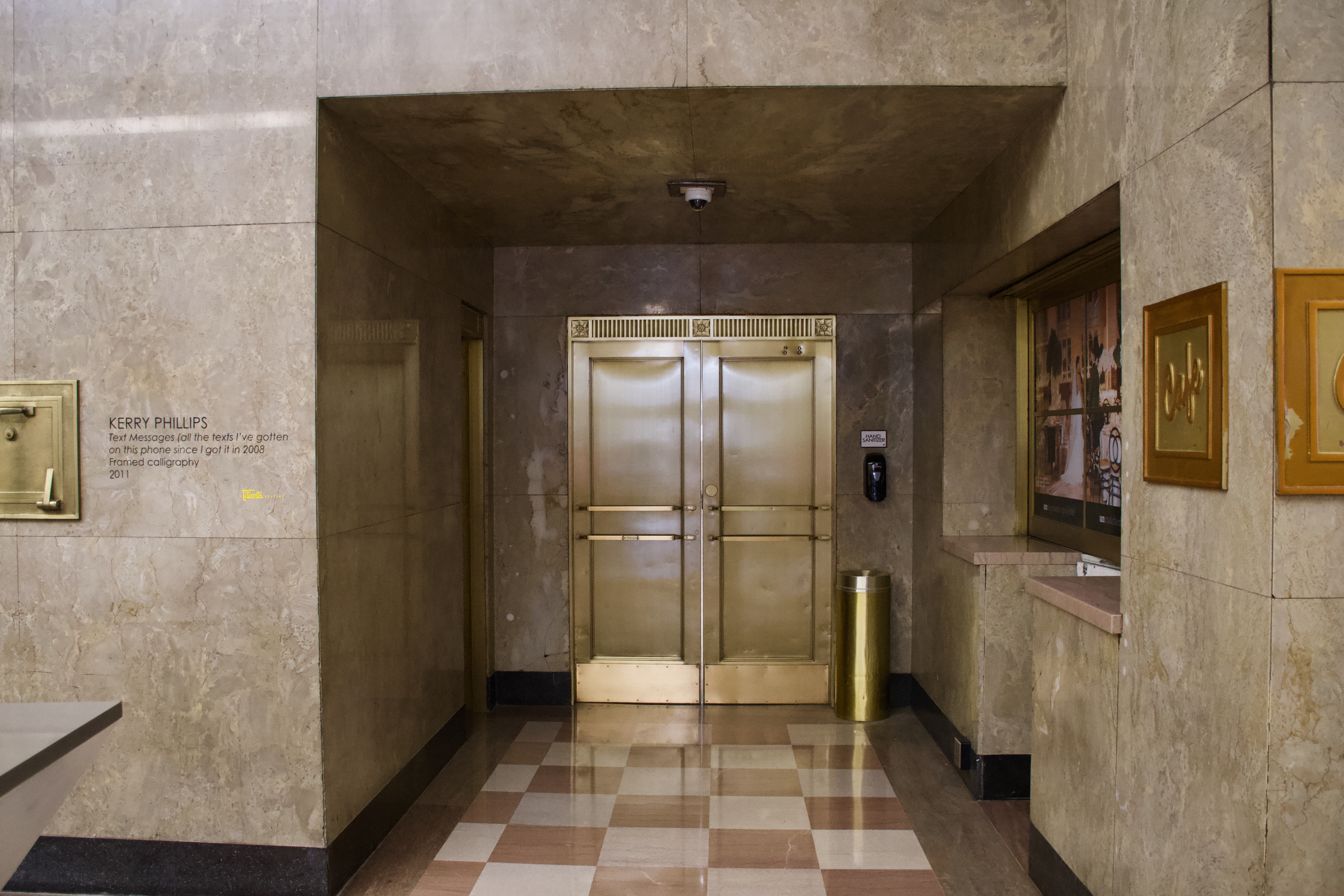
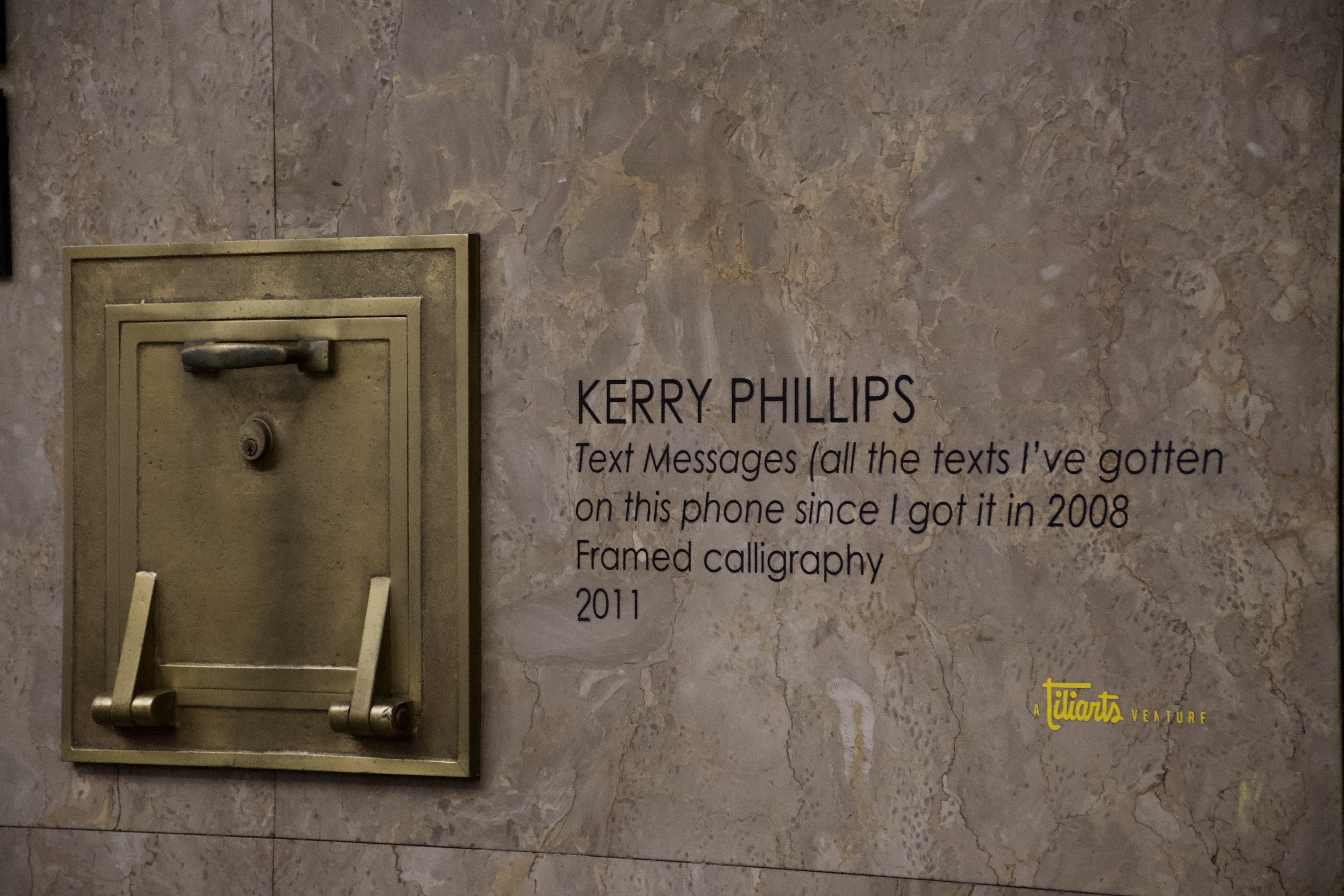
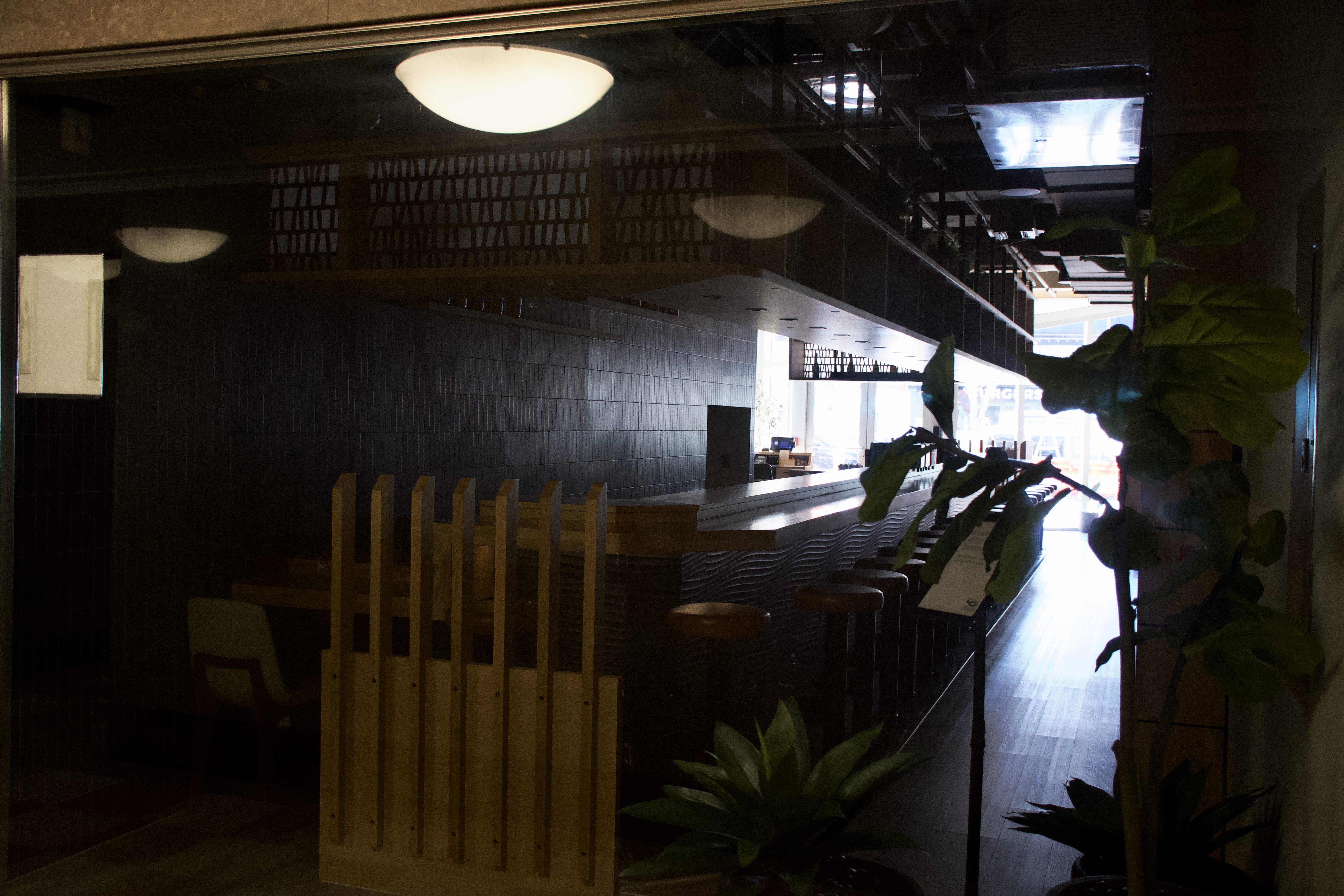
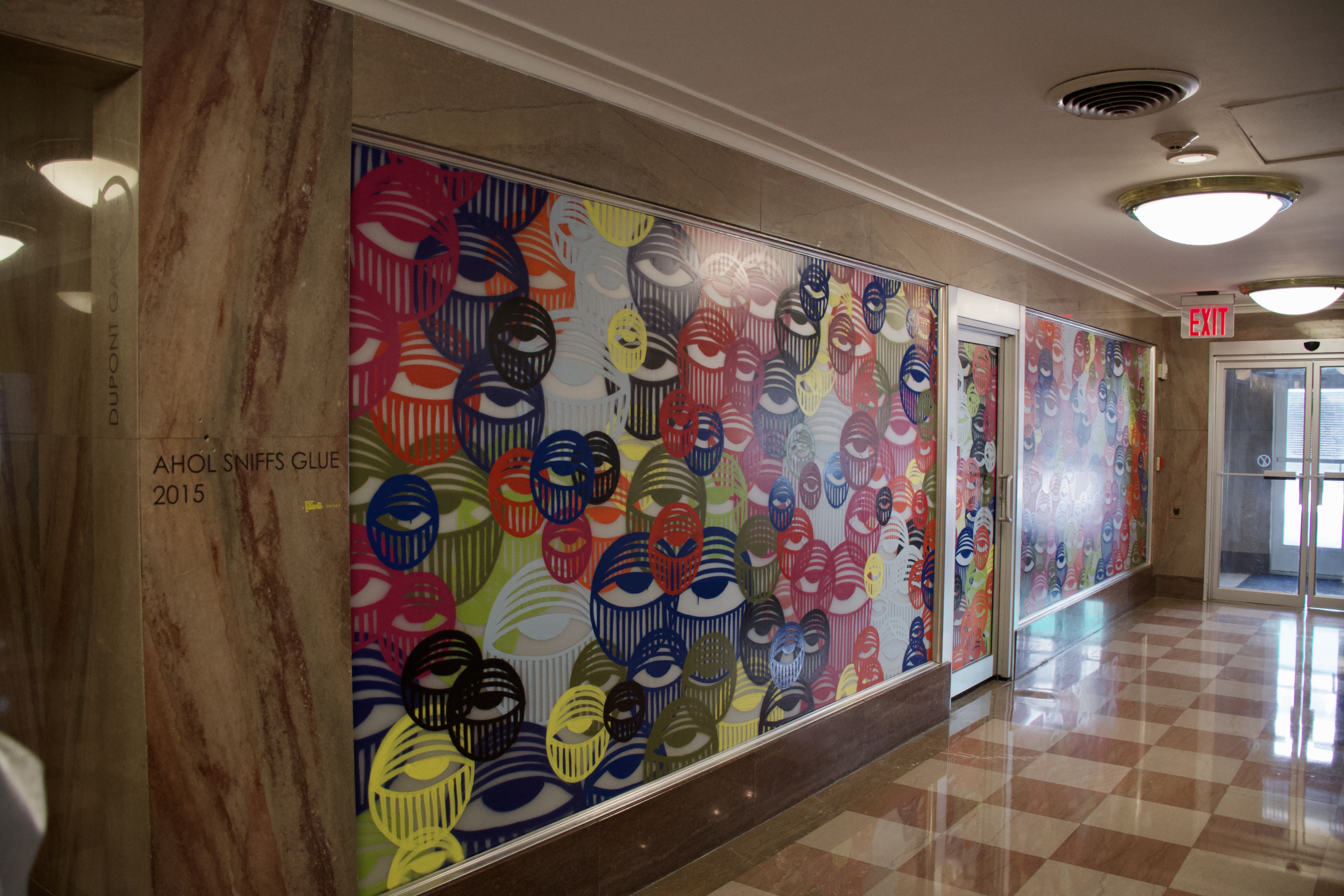
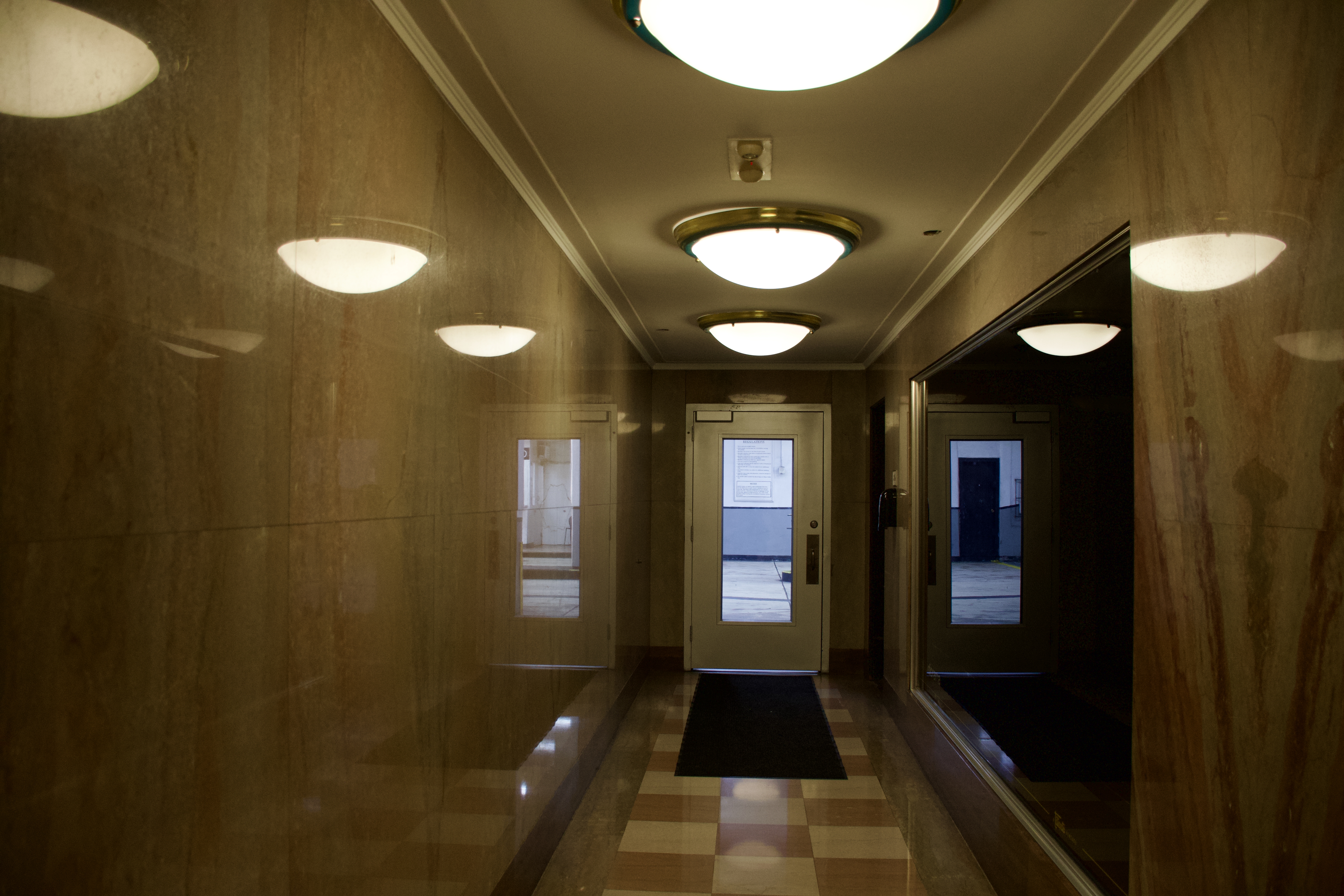
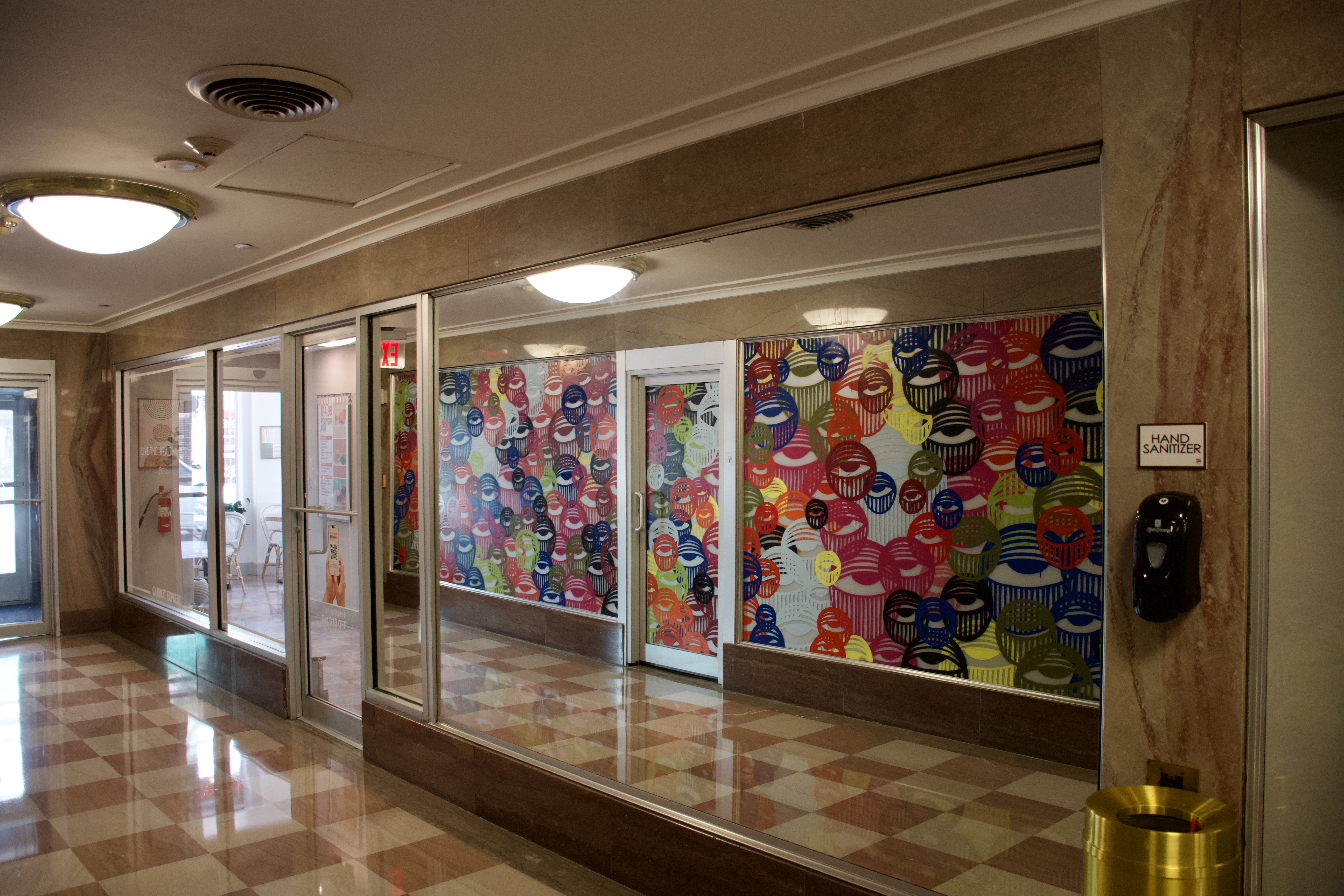
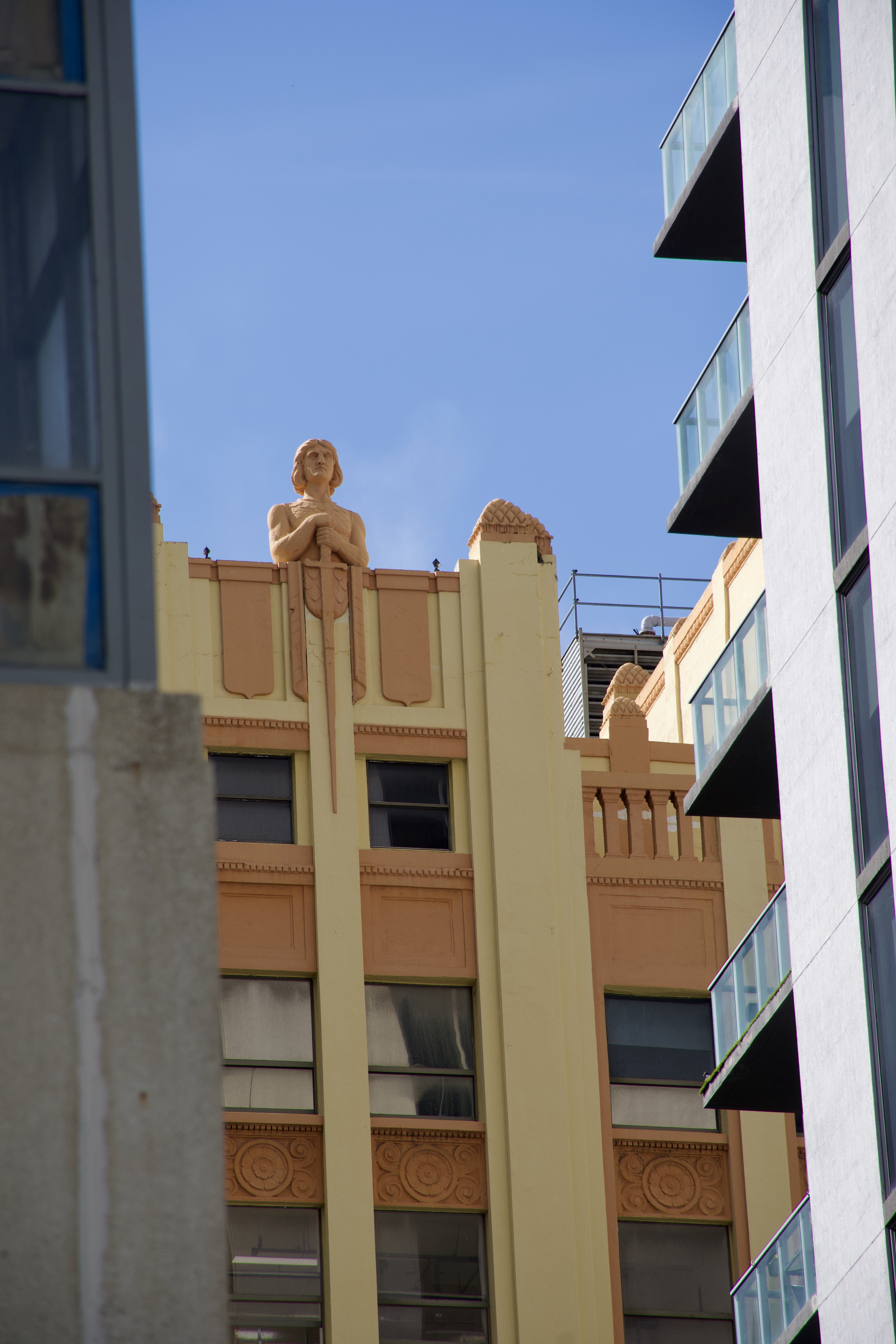
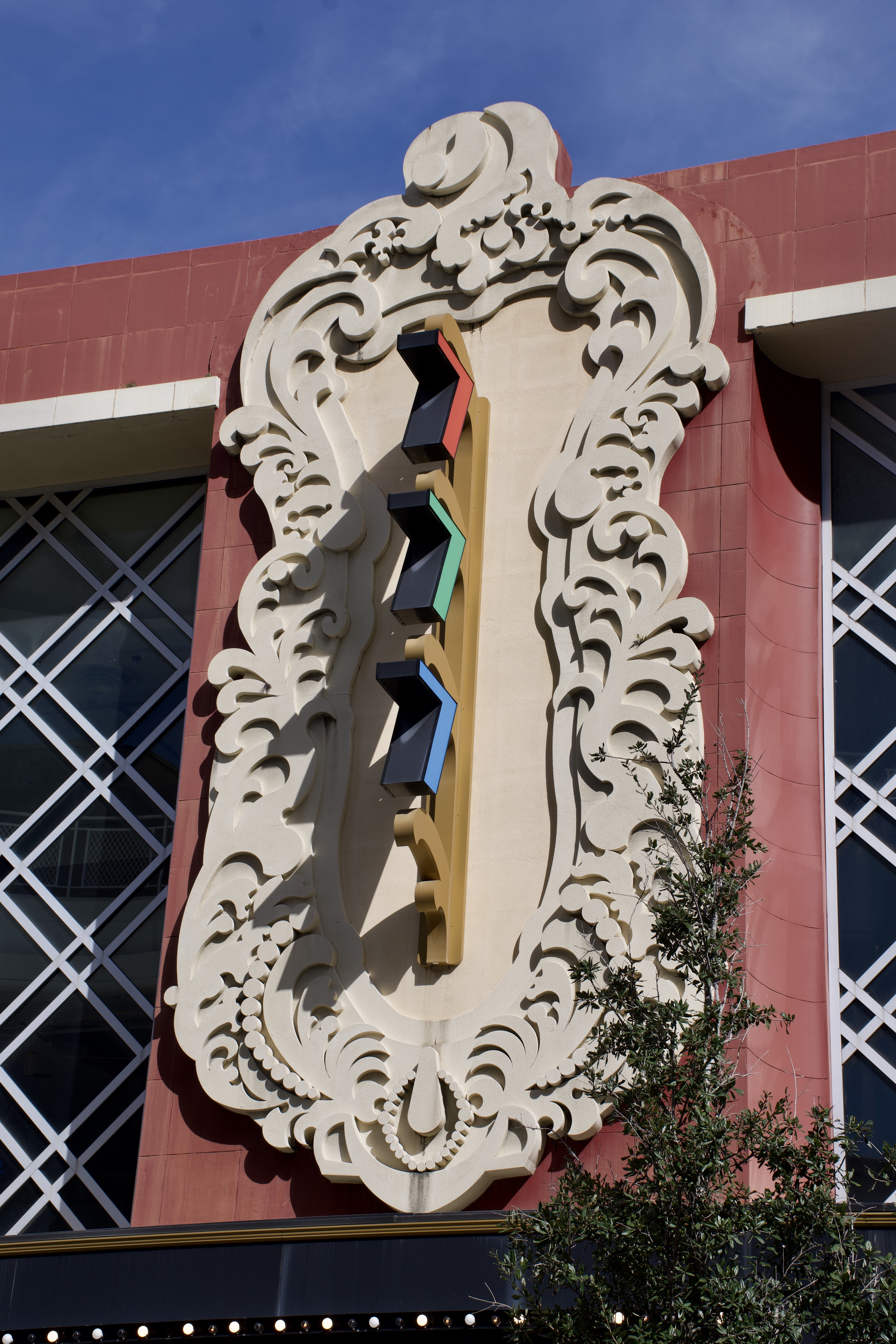
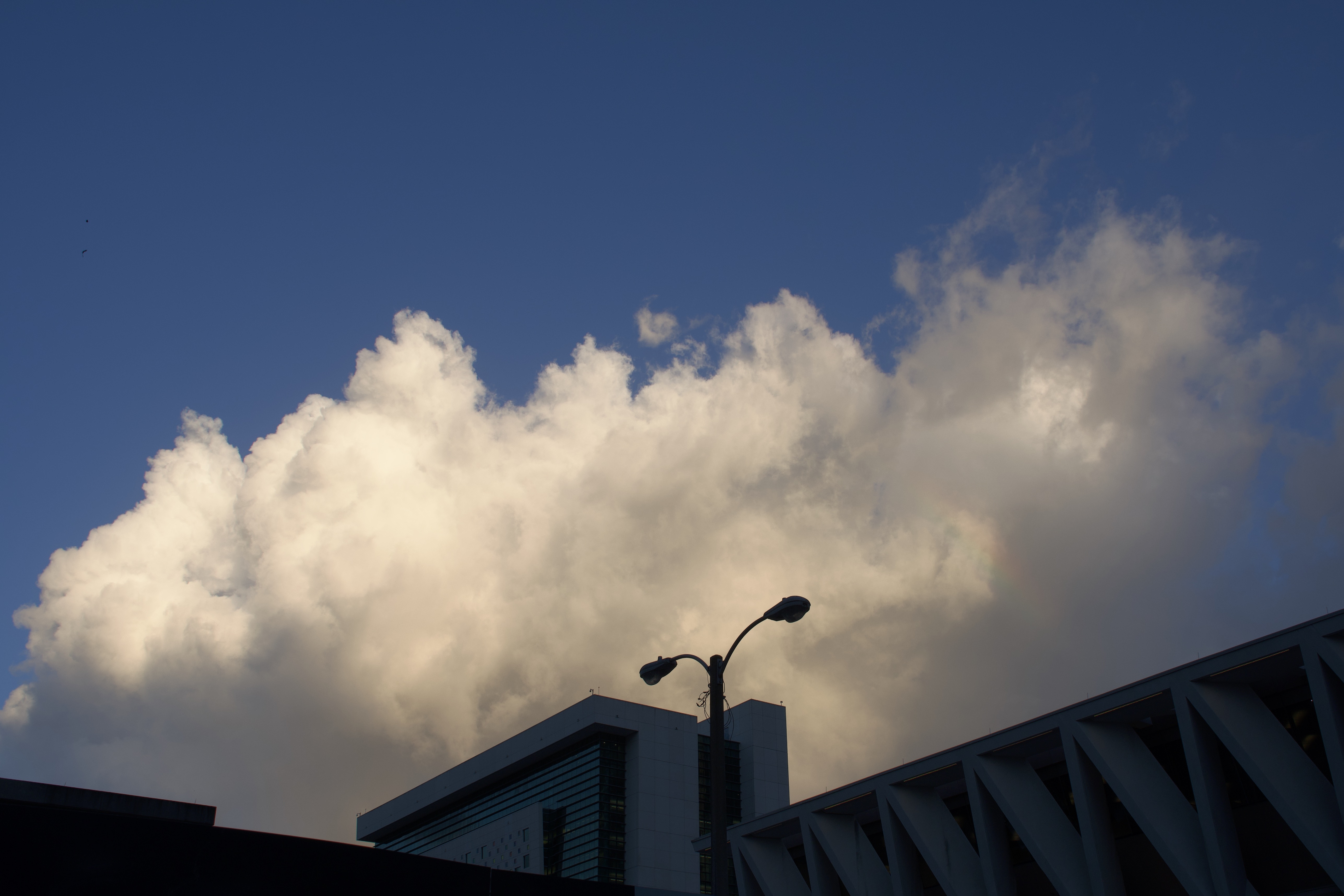
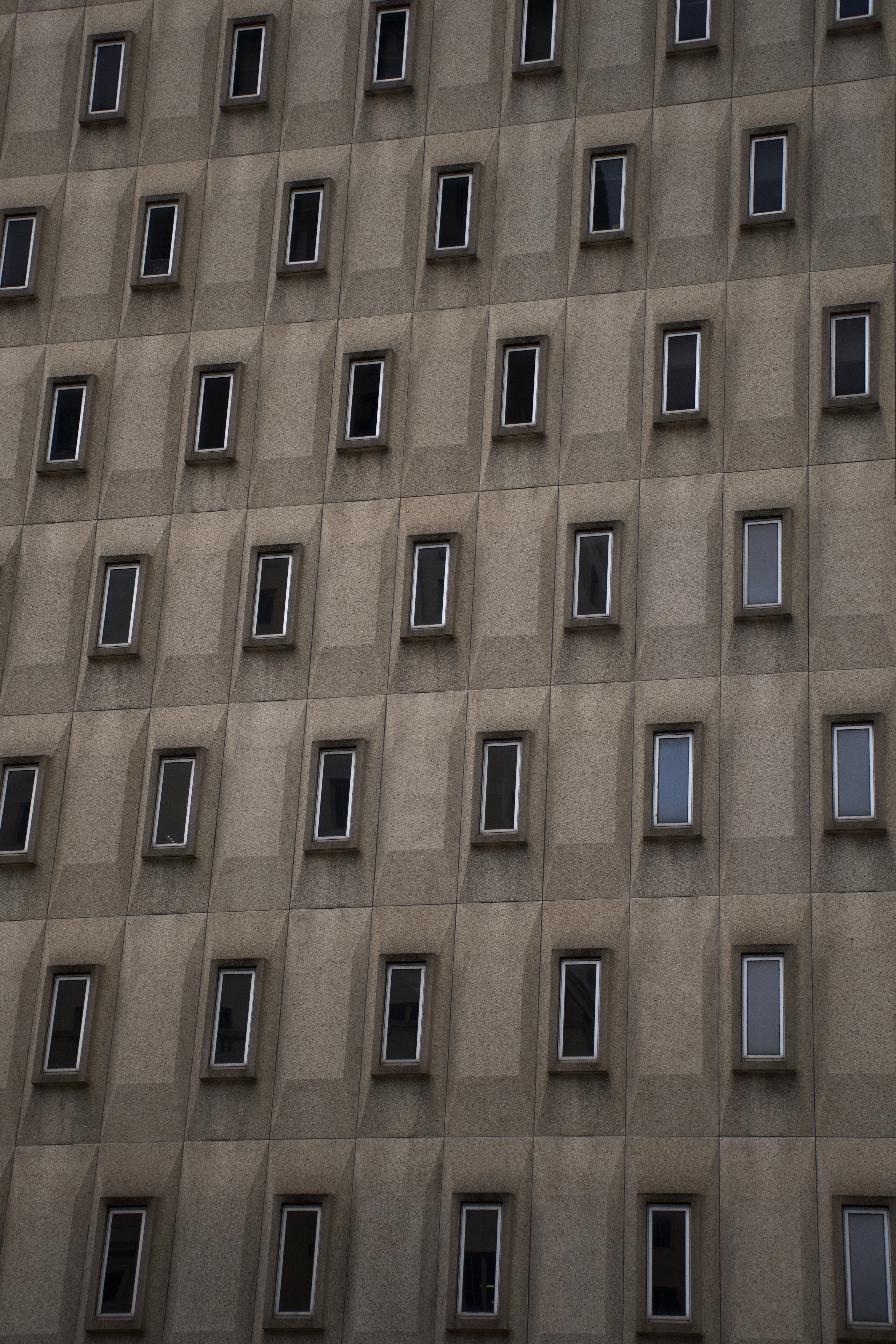
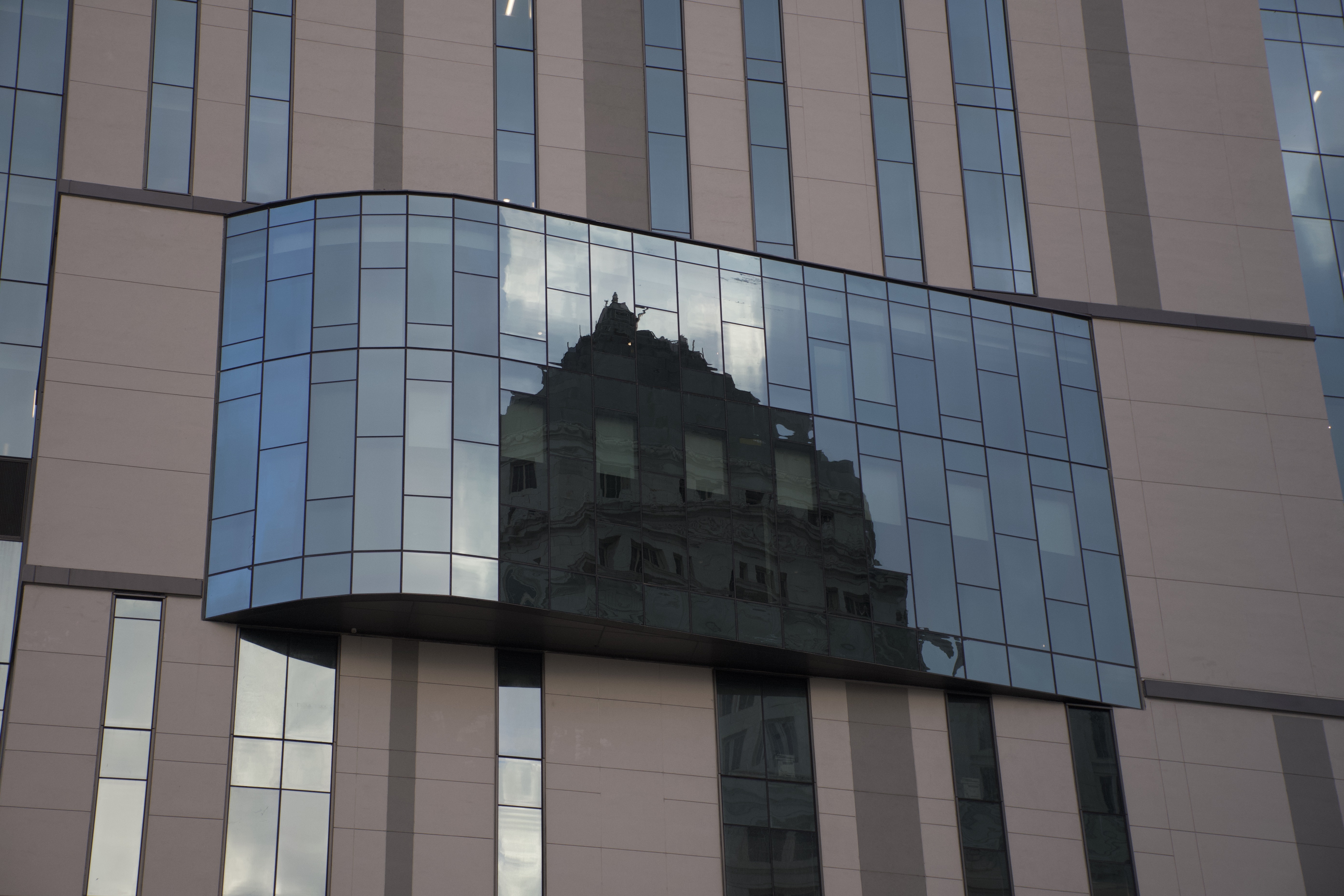
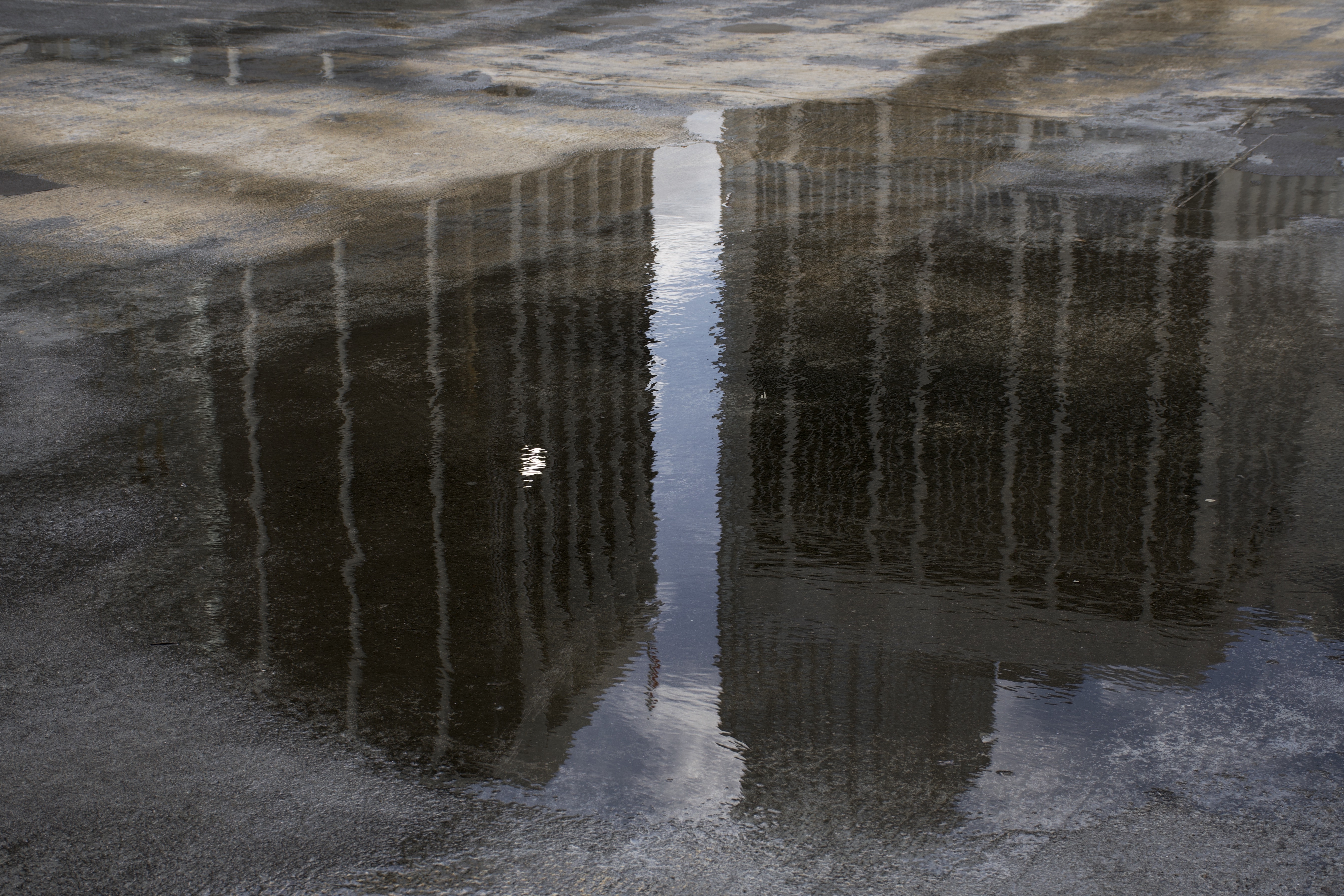
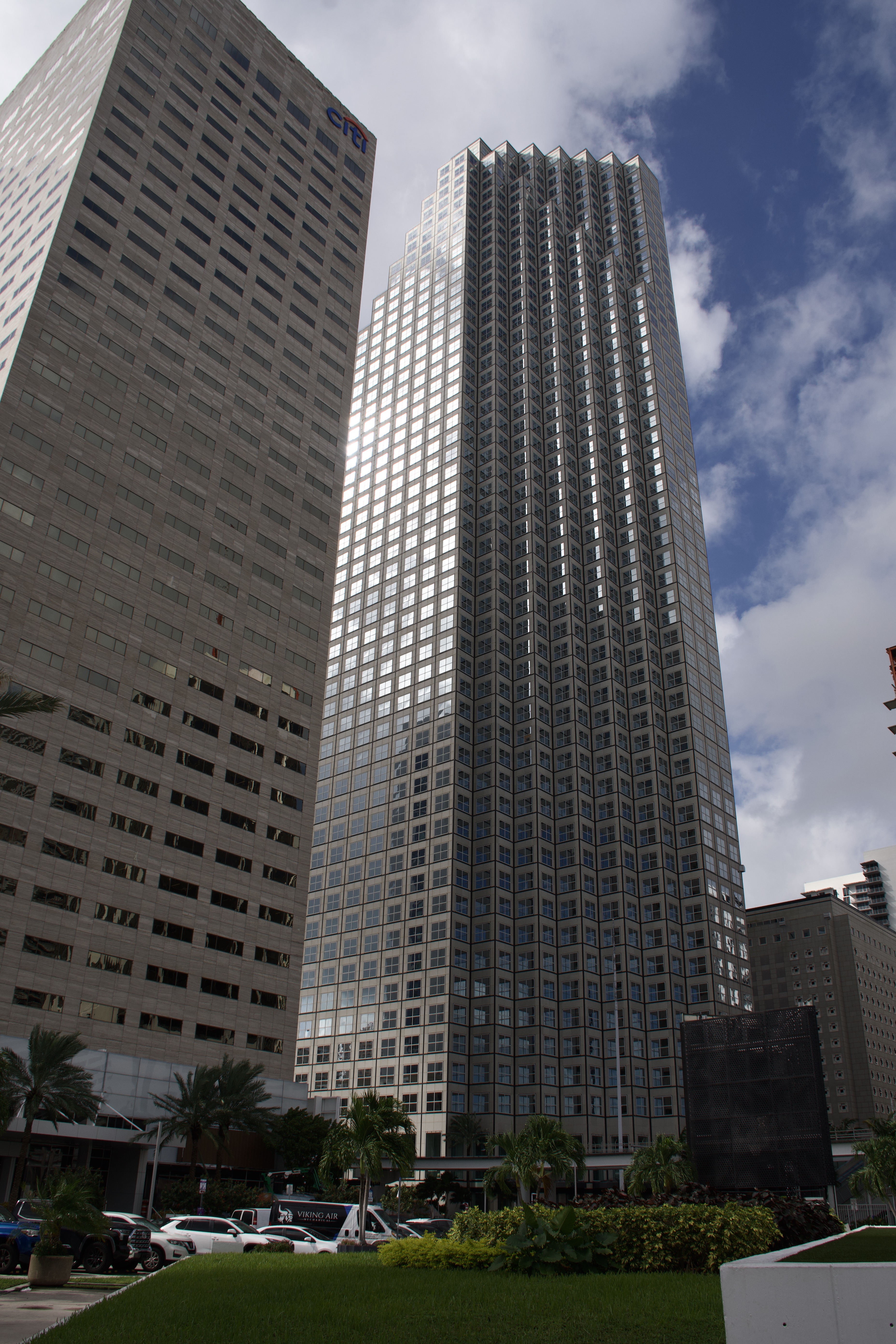
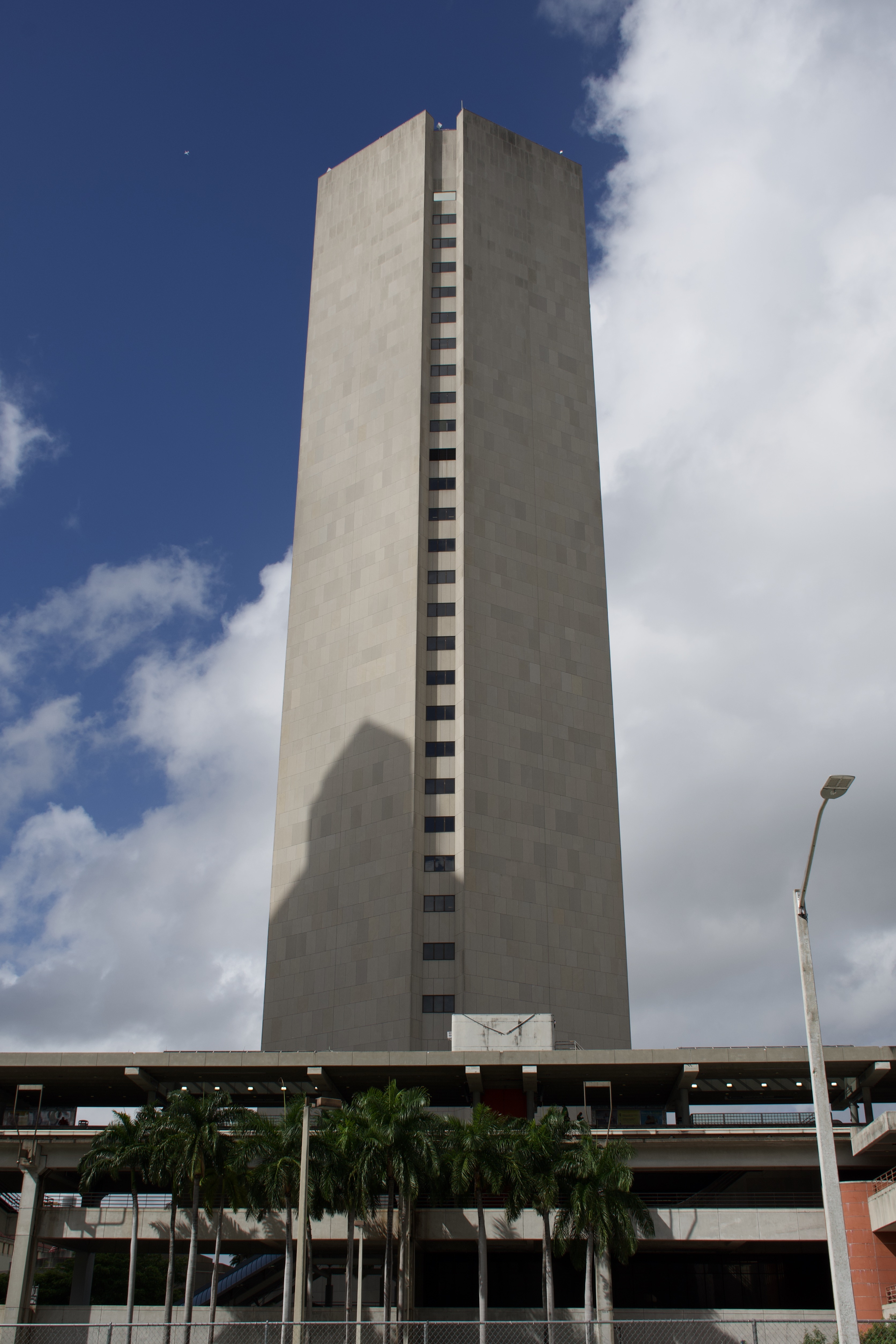
We returned to downtown Miami this month with Open House MIA. We roamed around some different places this time, and the weather wasn’t as overcast, leading to some nice reflections and clean skies. A highlight was exploring the Art Deco lobby of the DuPont Building.

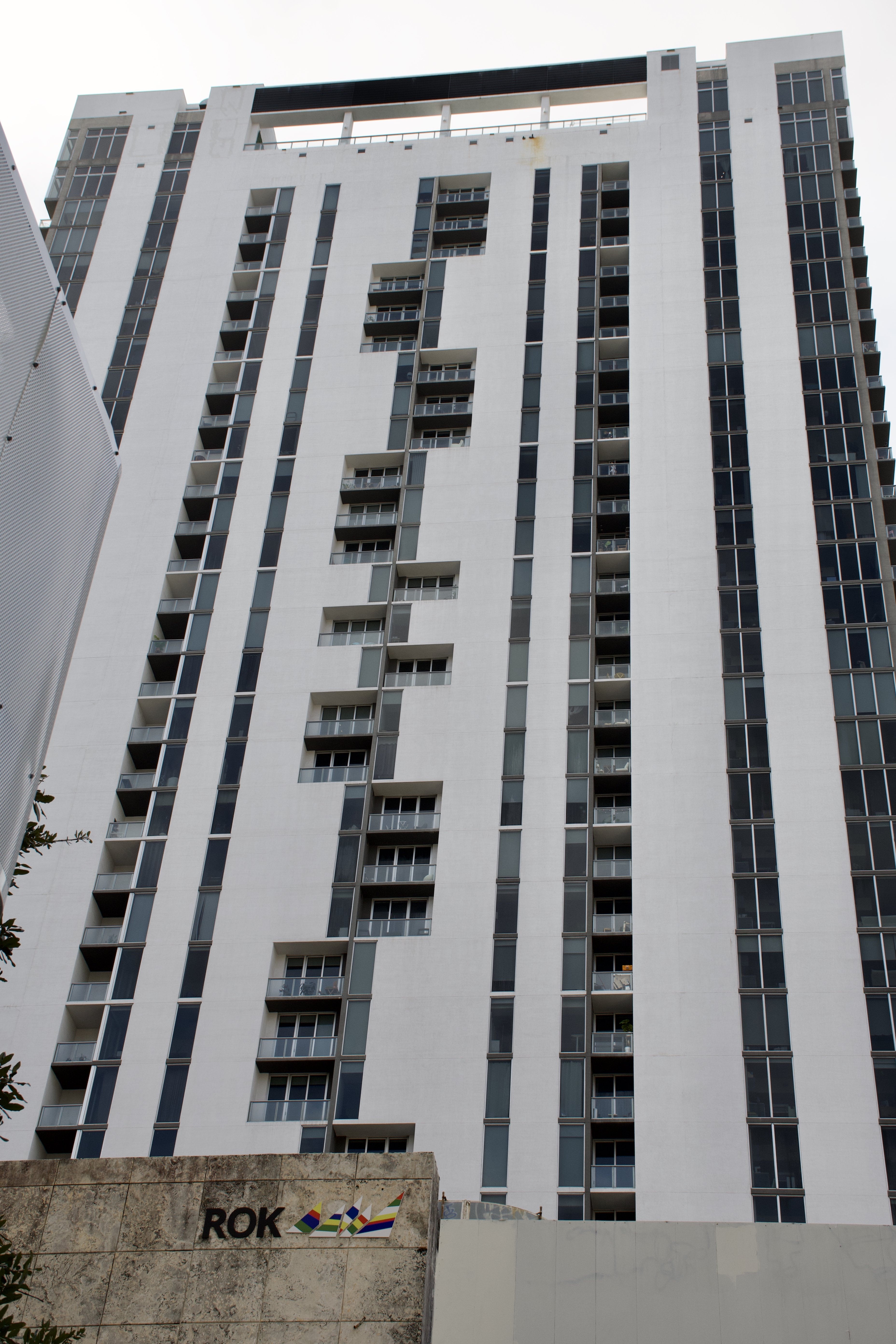
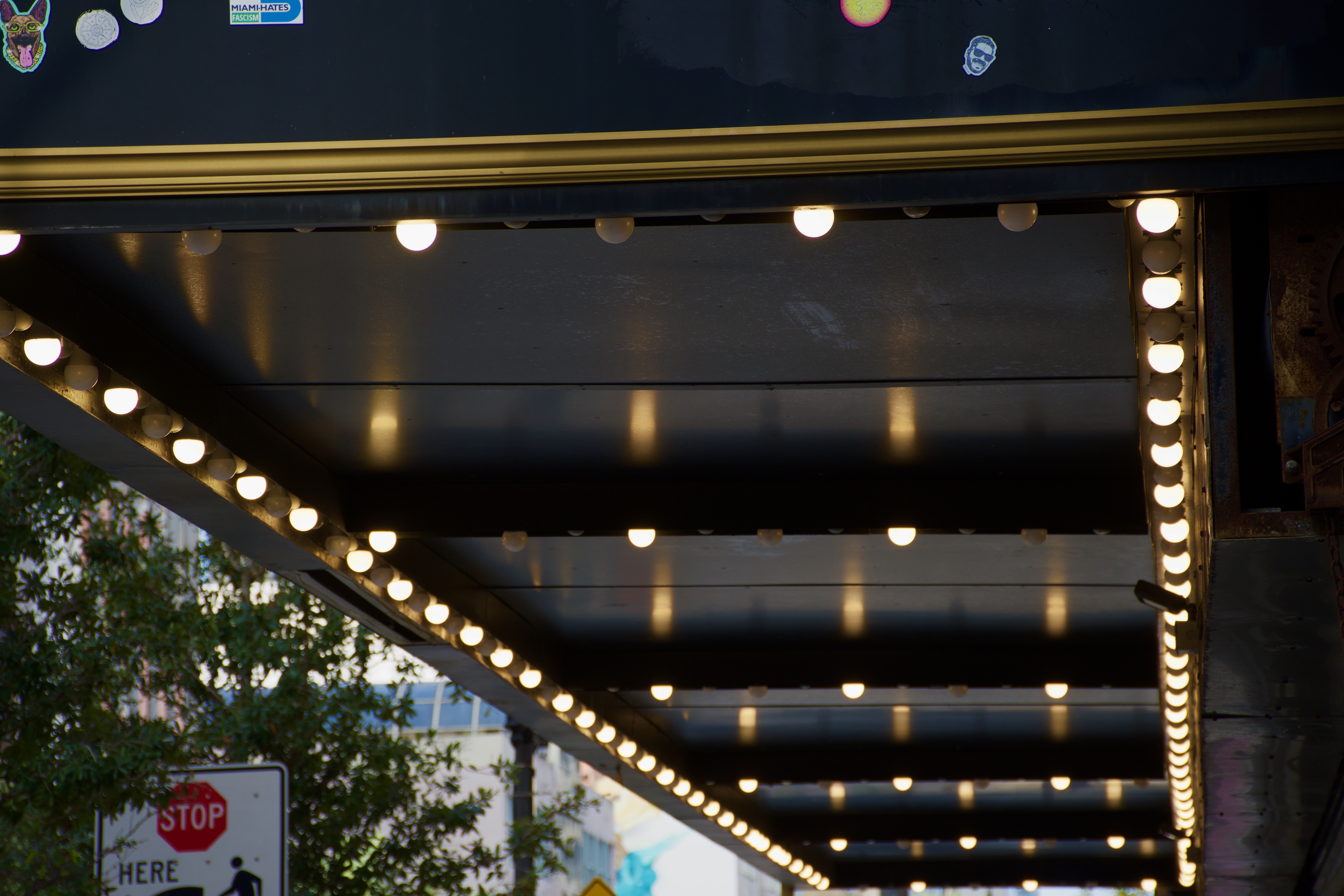
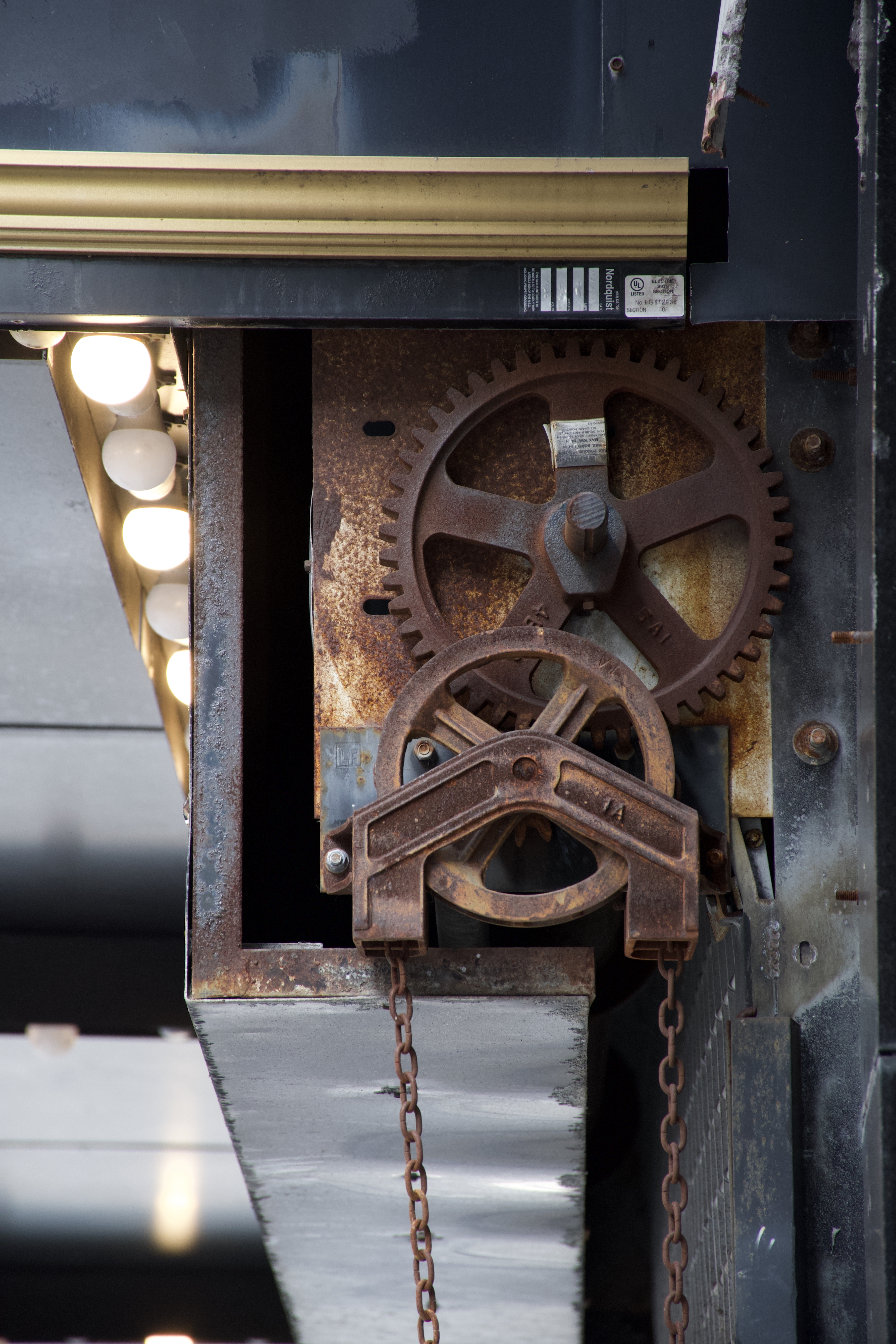
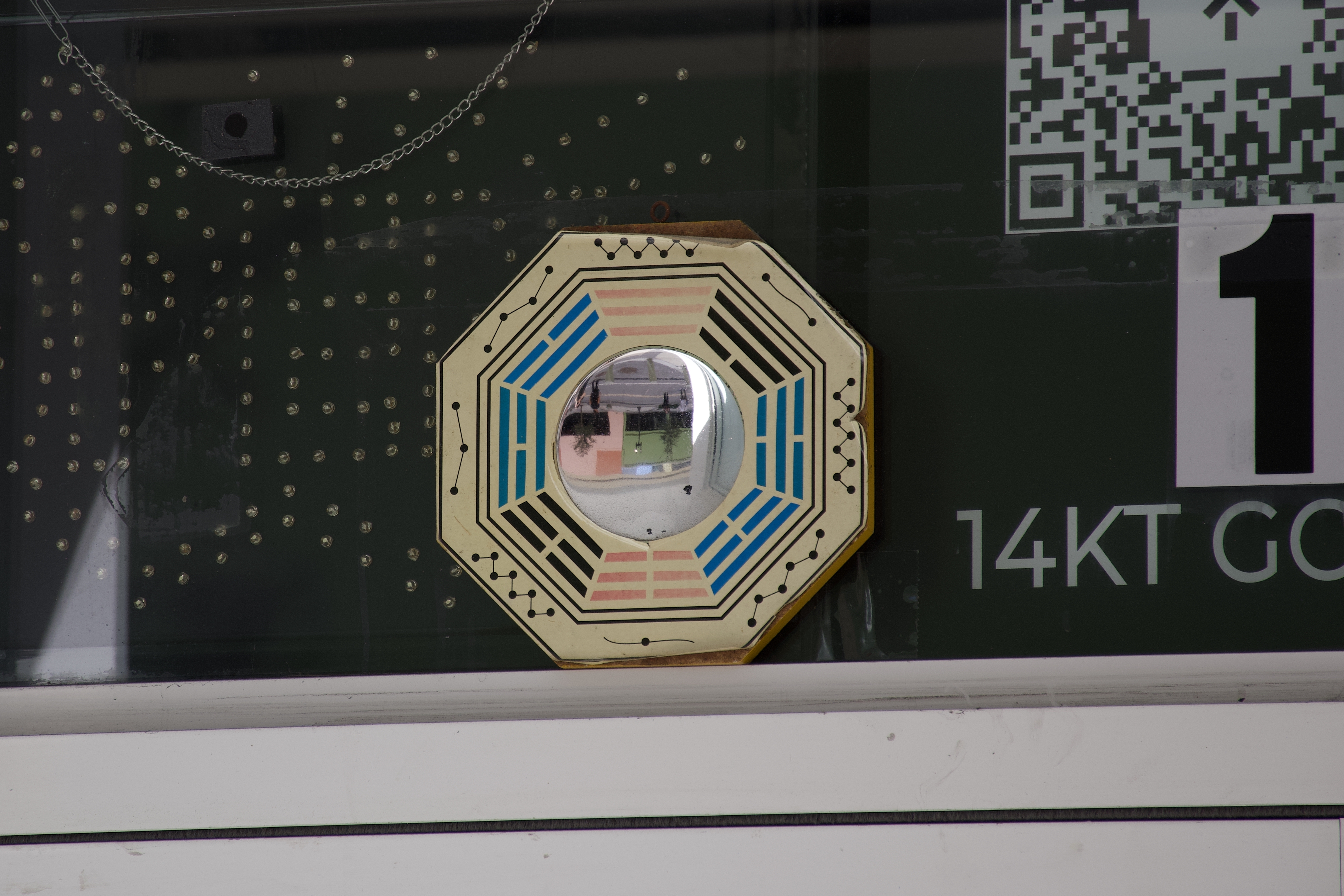
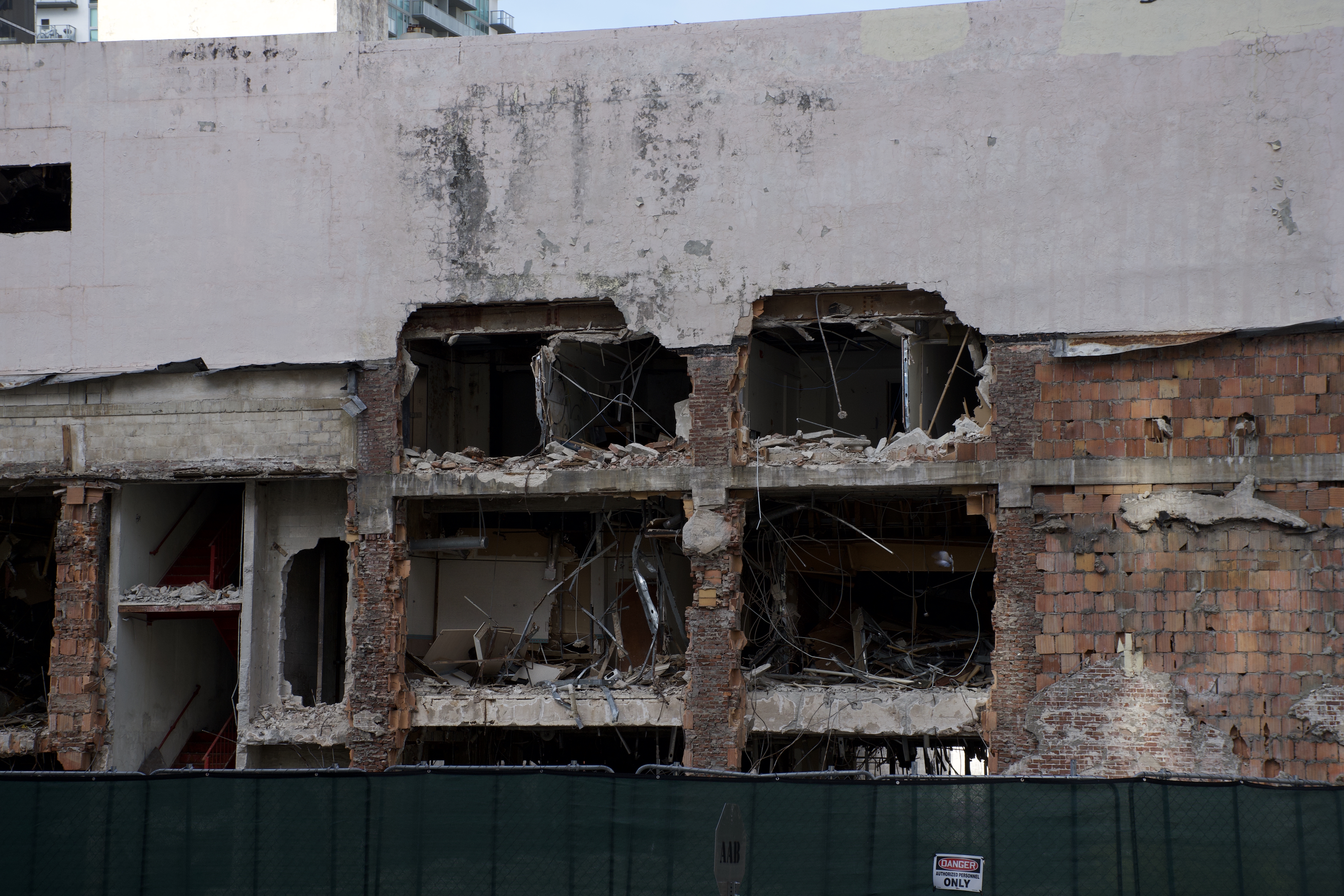
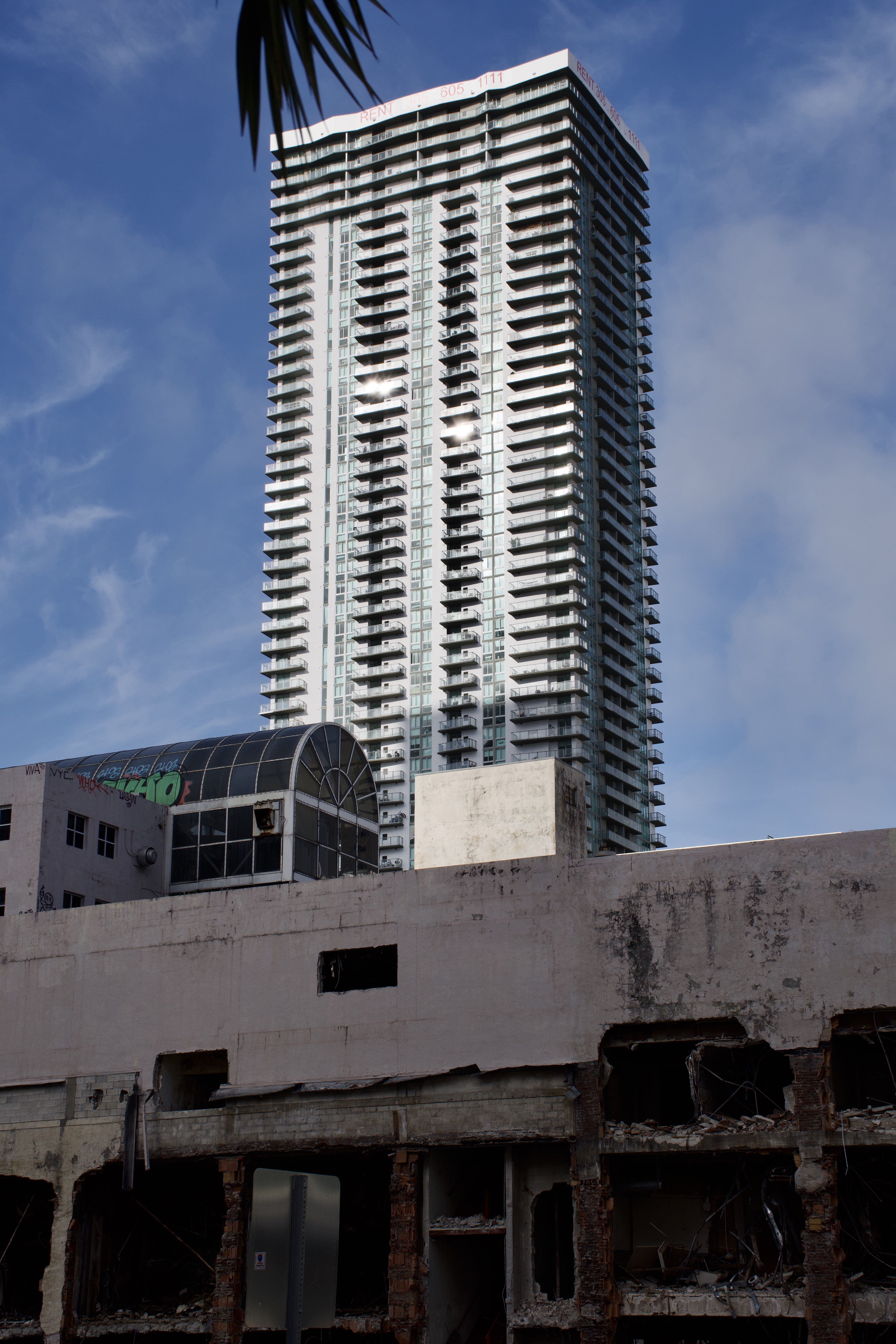

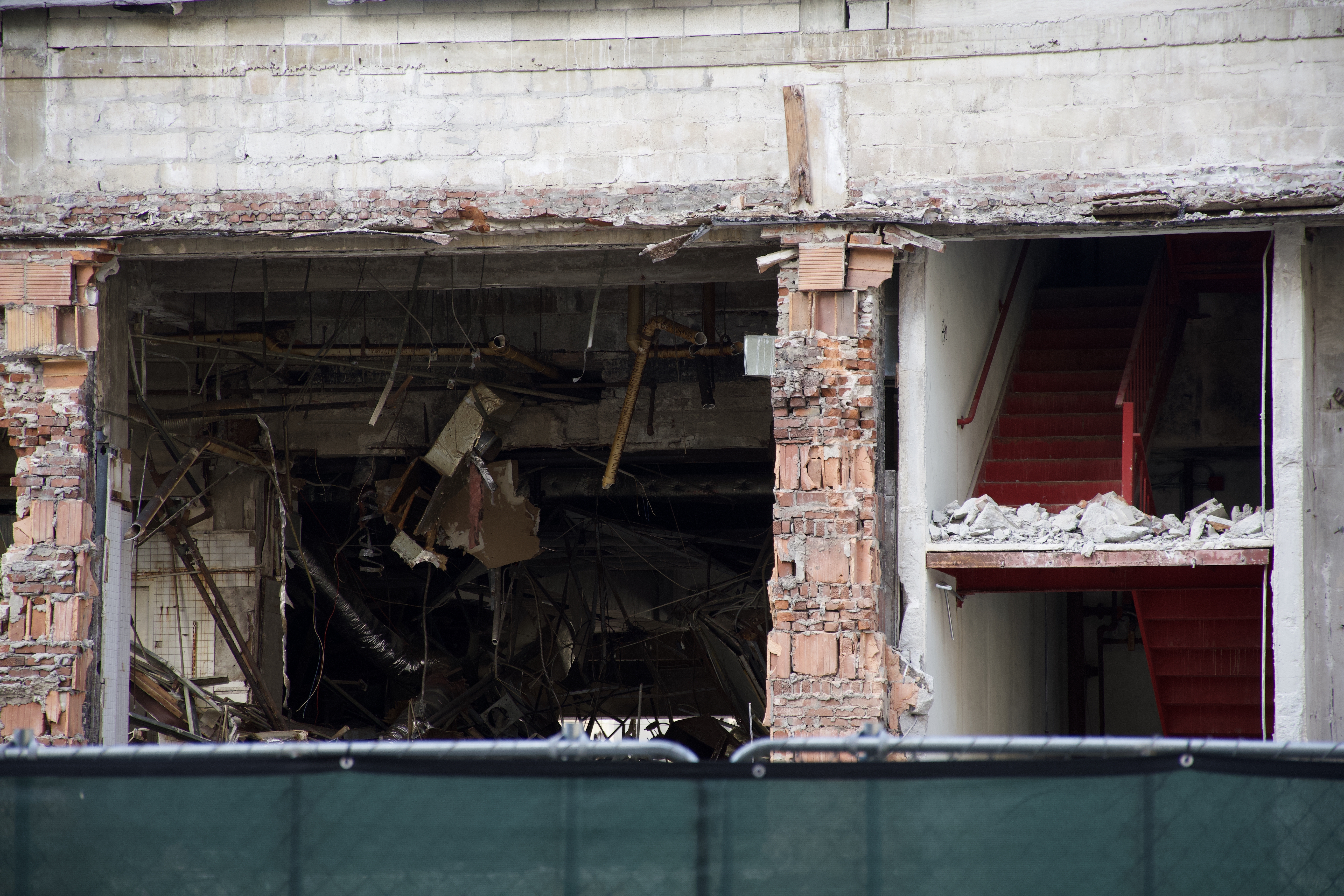
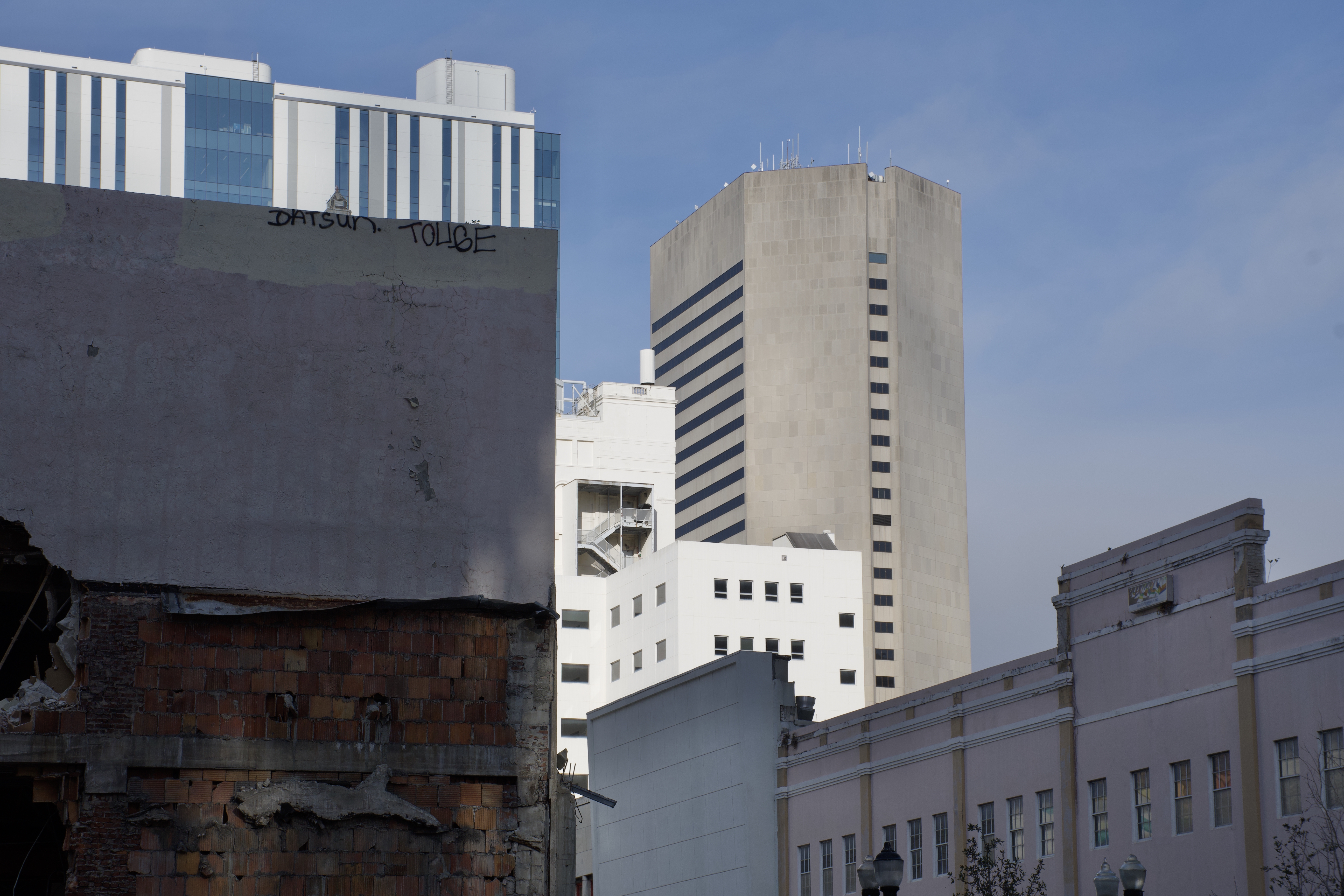
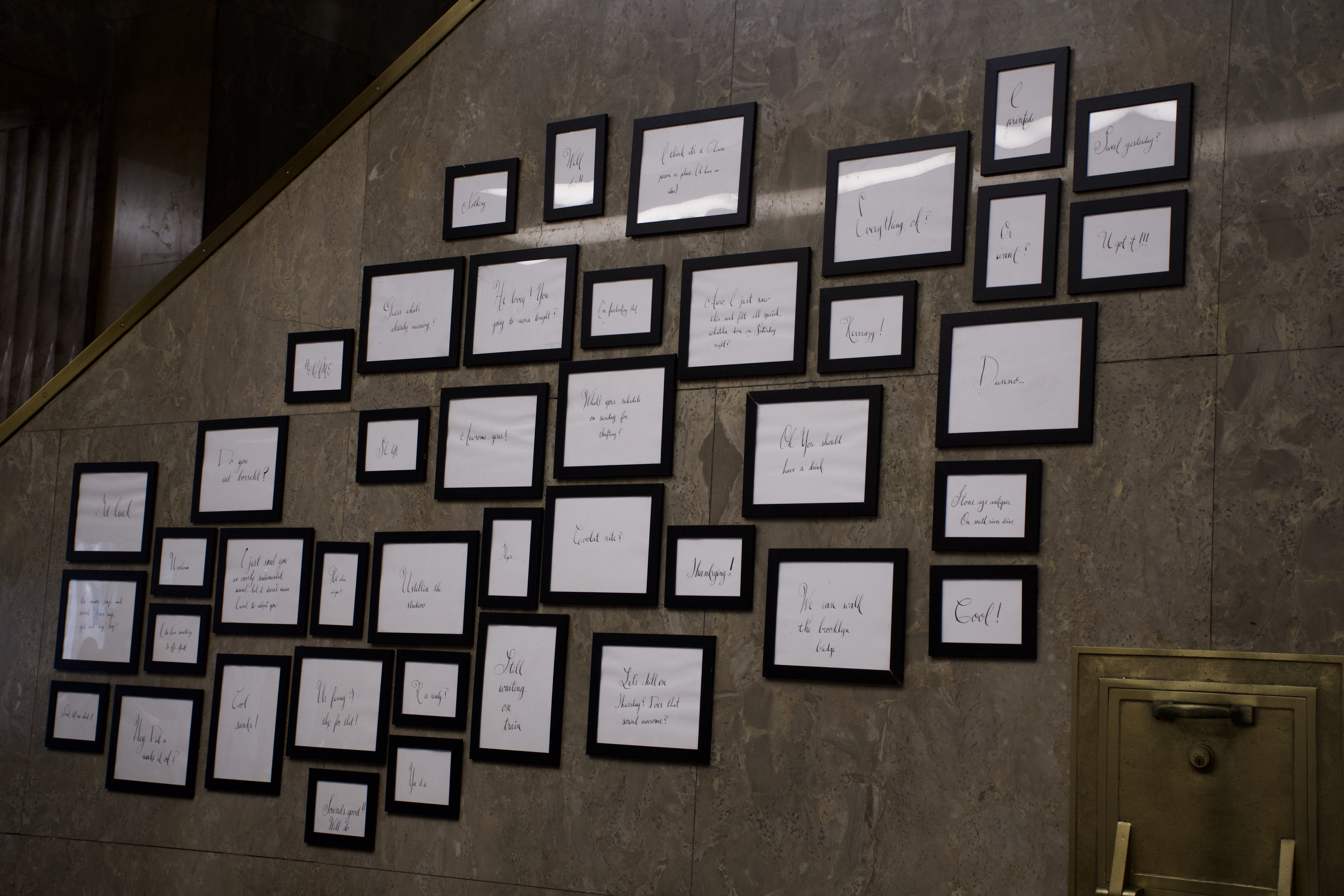
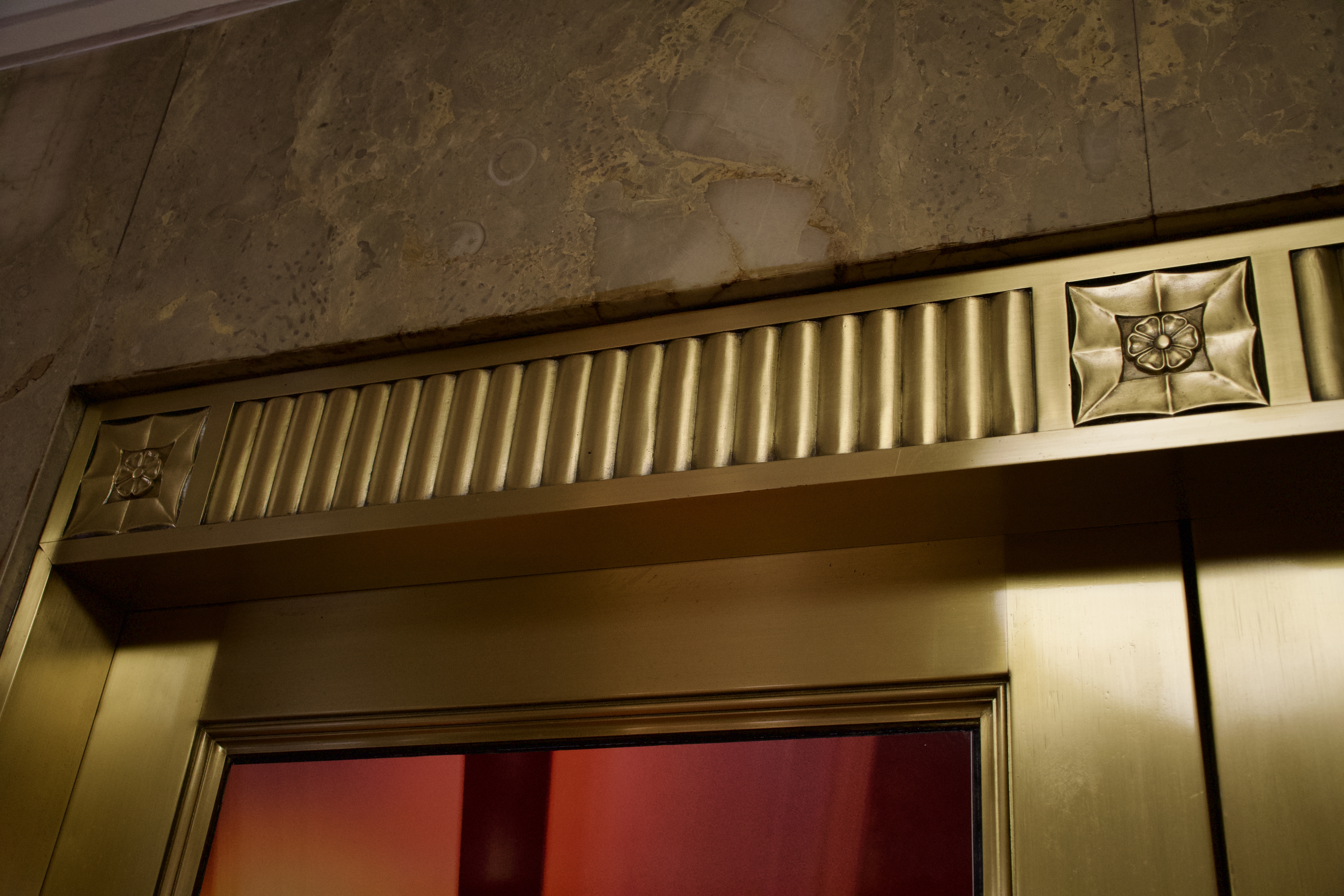
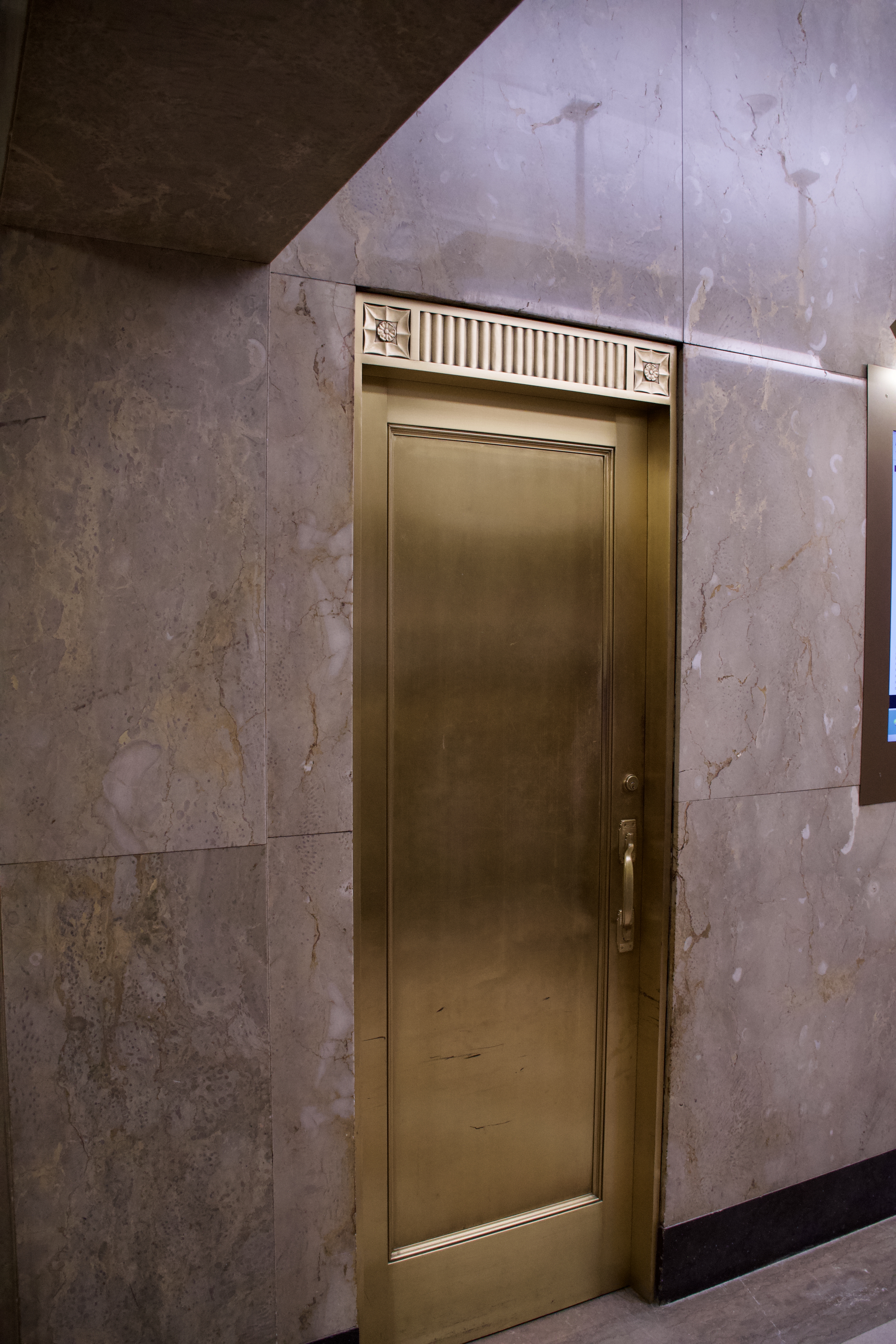
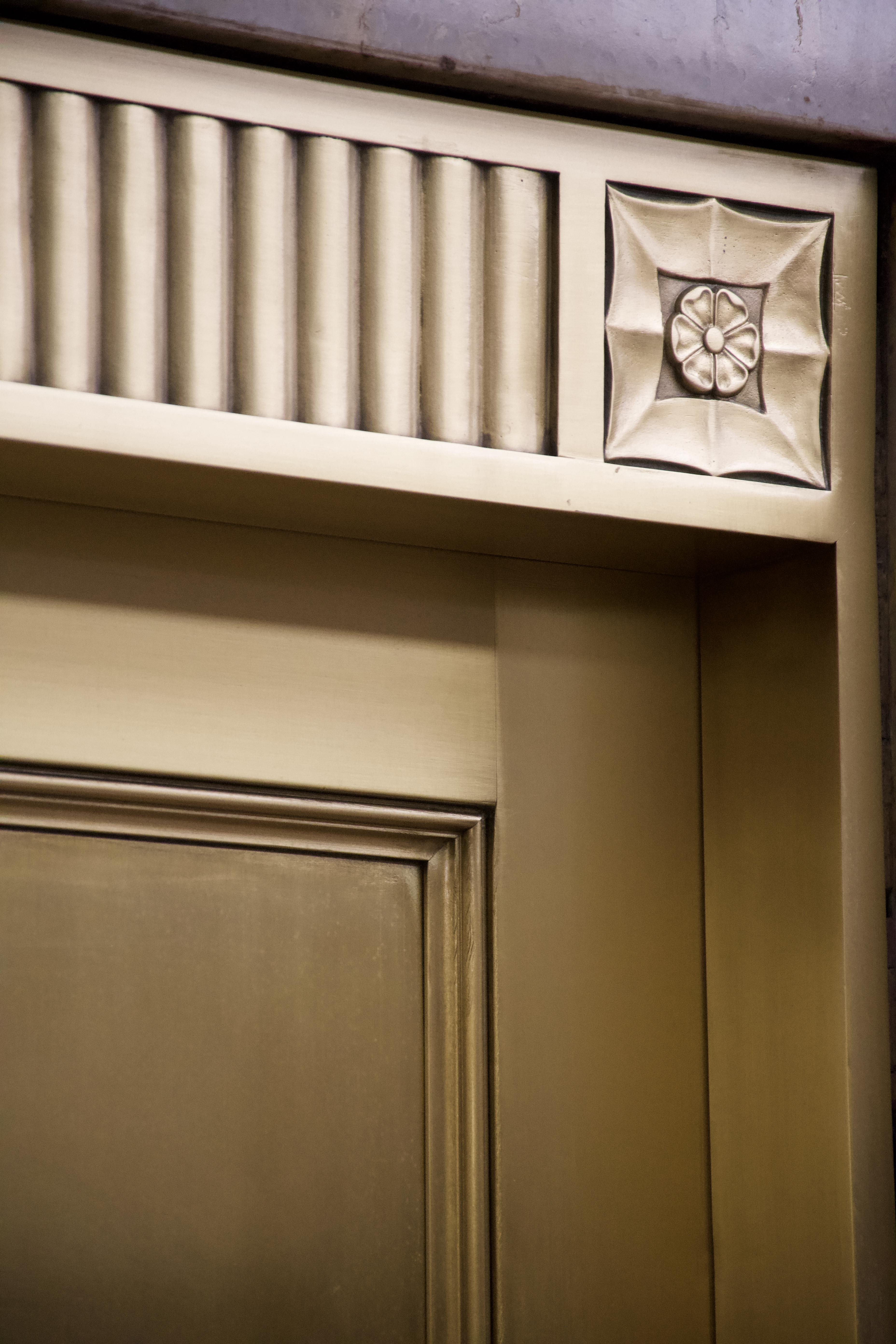
Miami Photowalk 17: Sunset Place
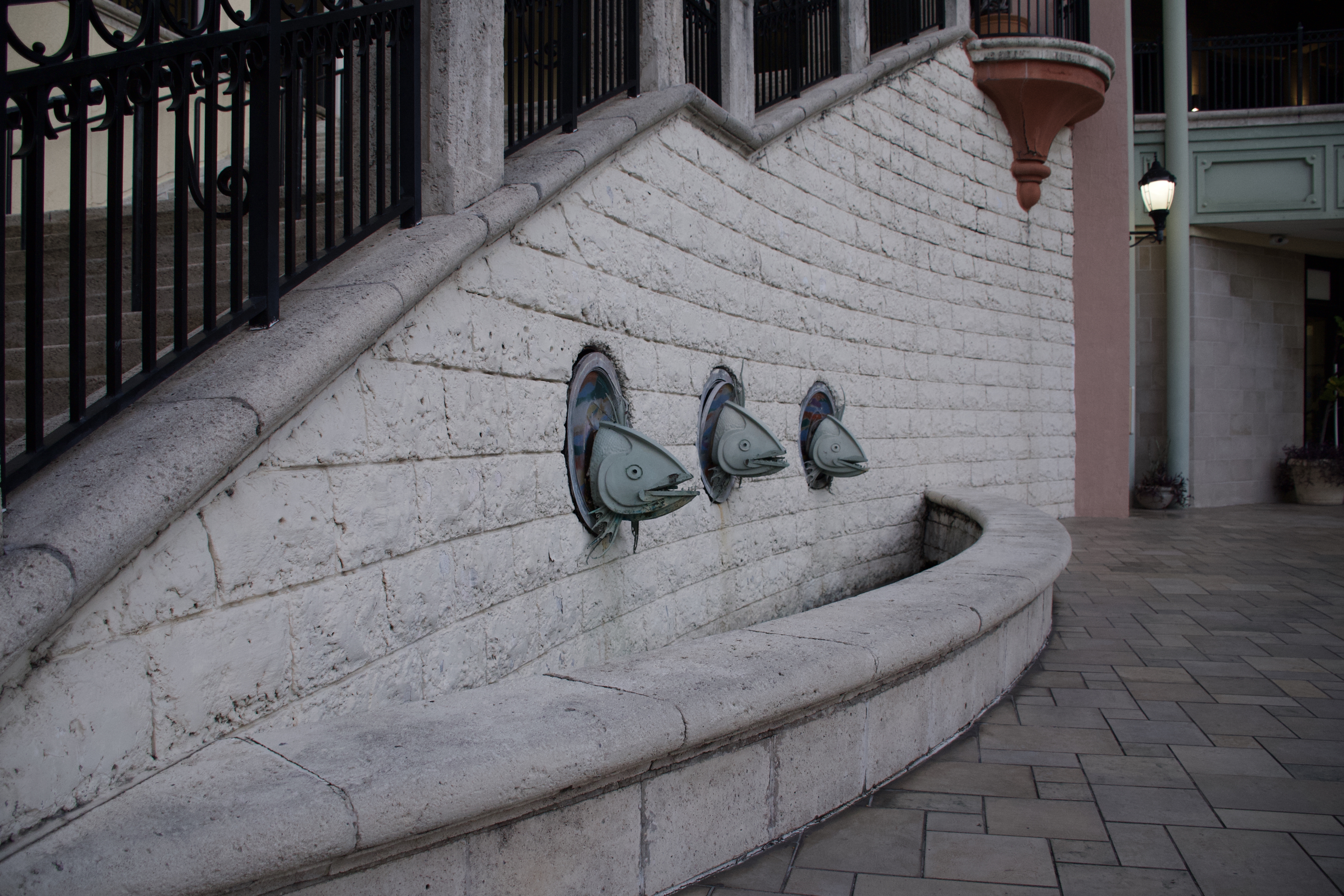
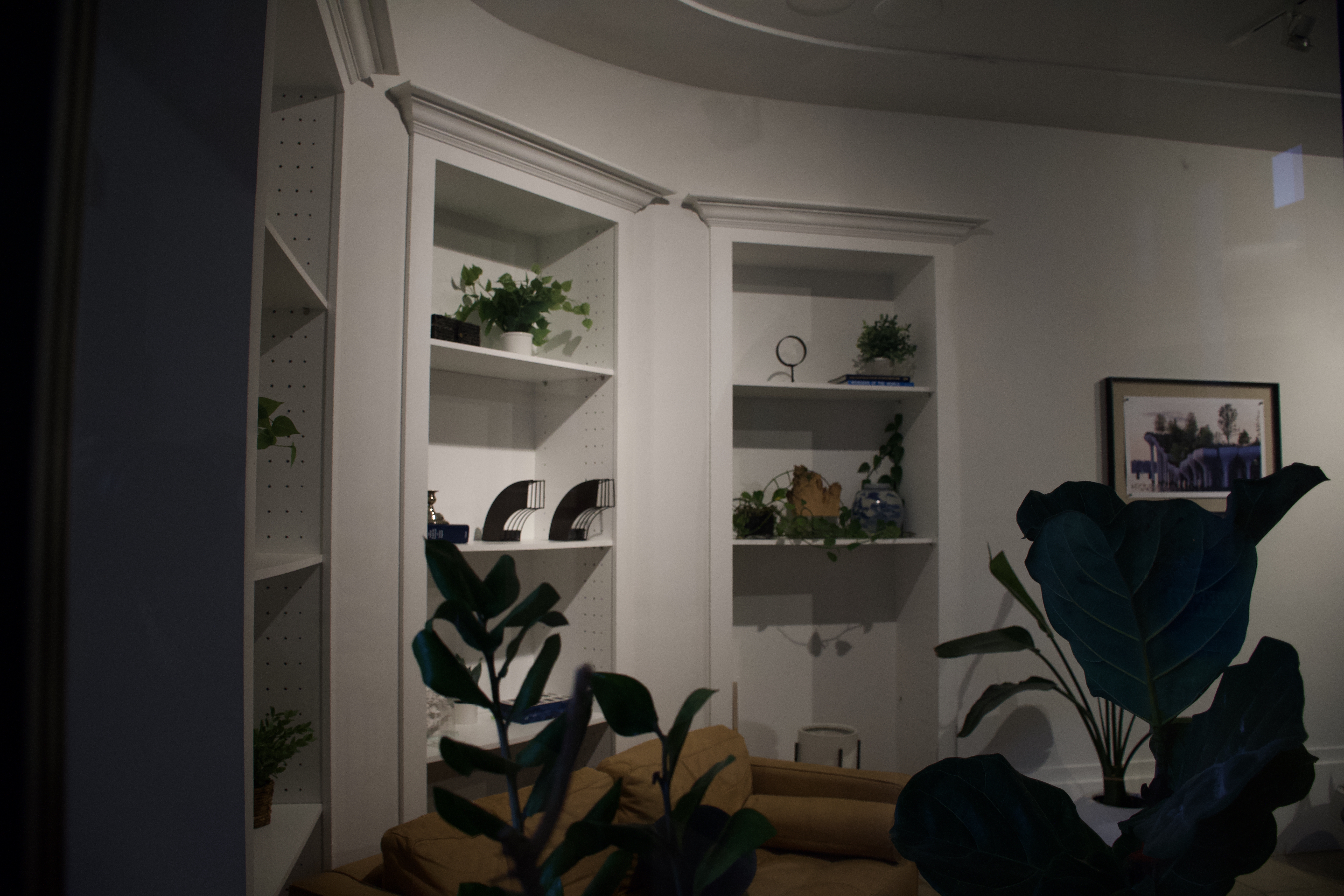
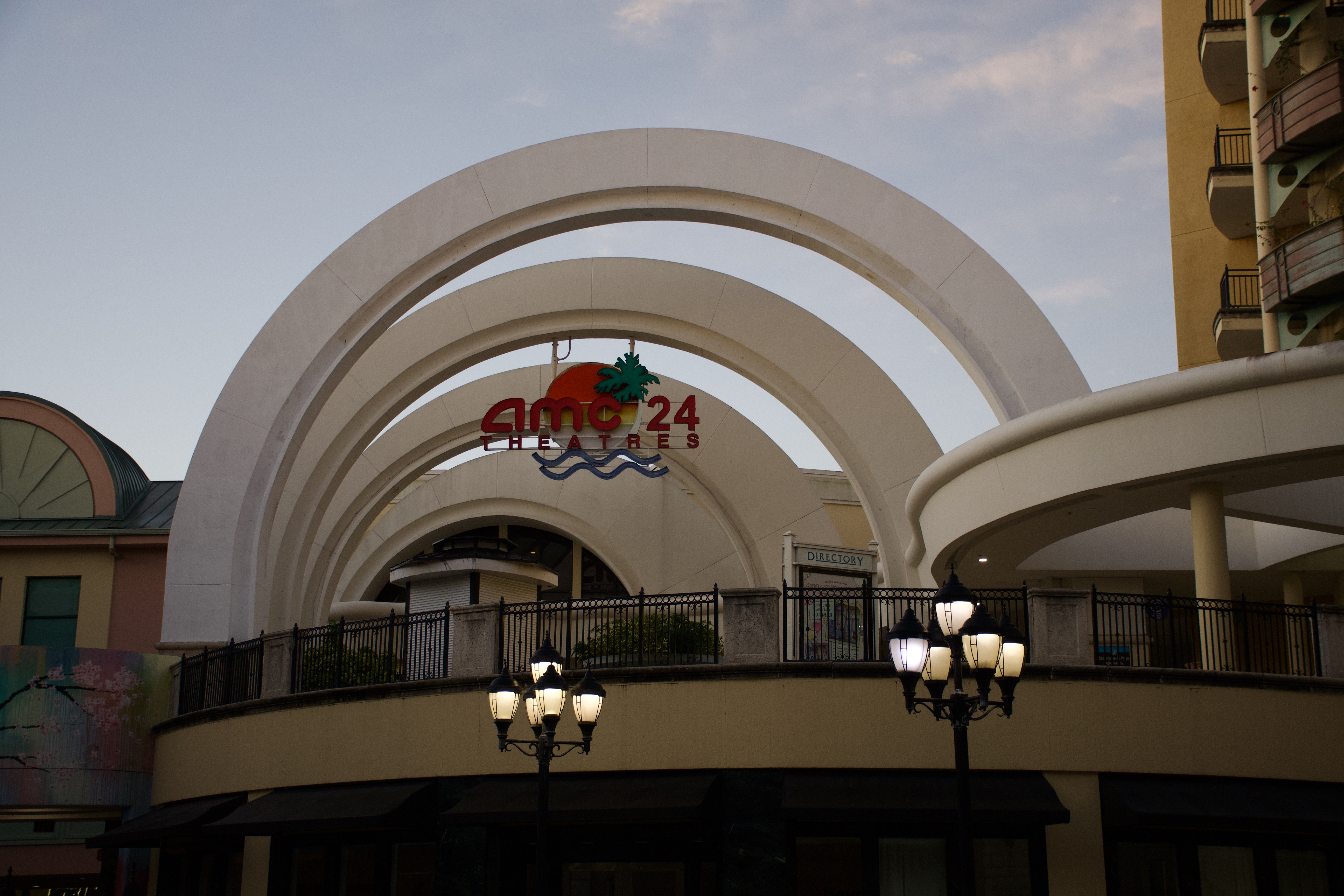
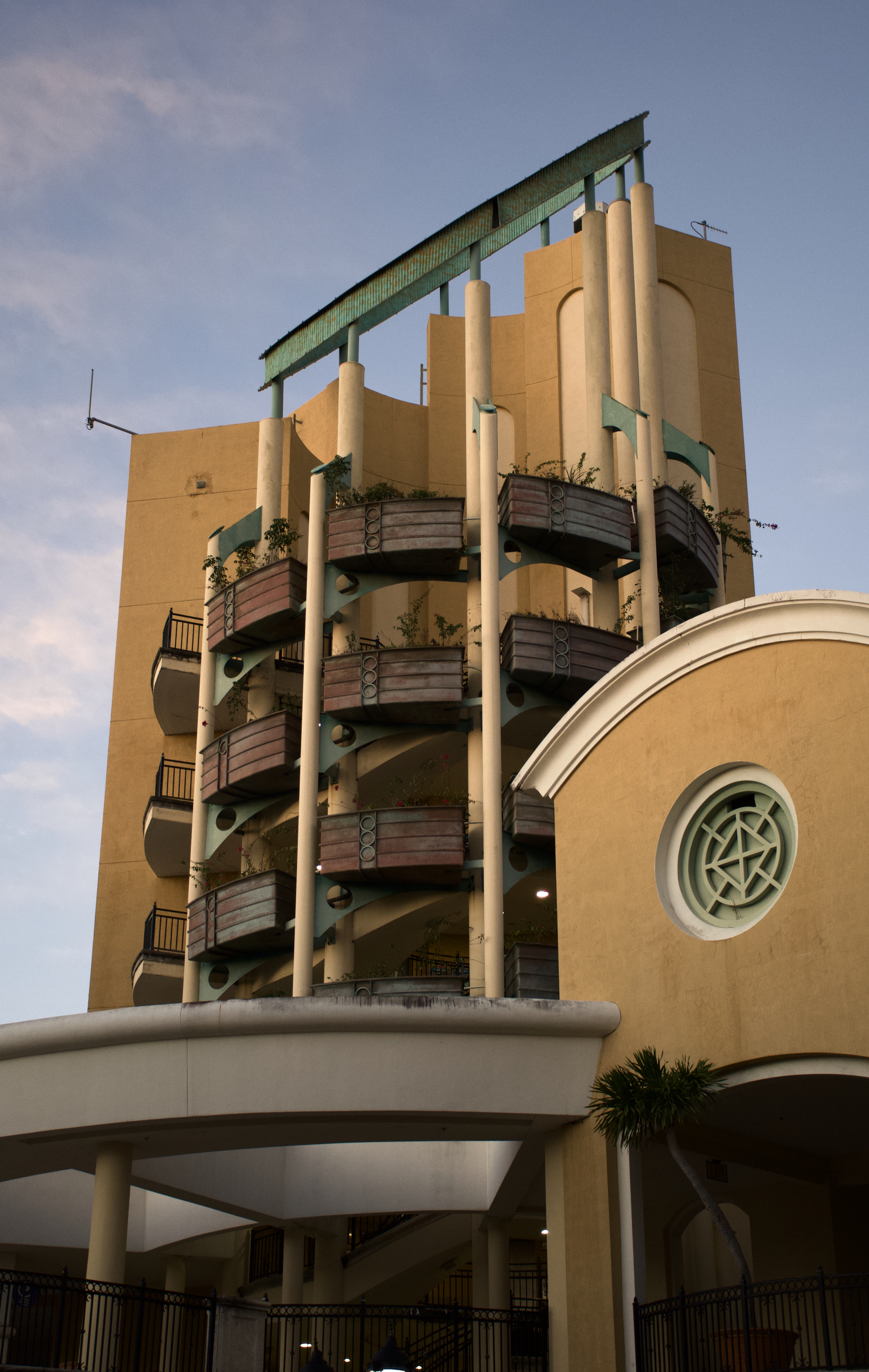
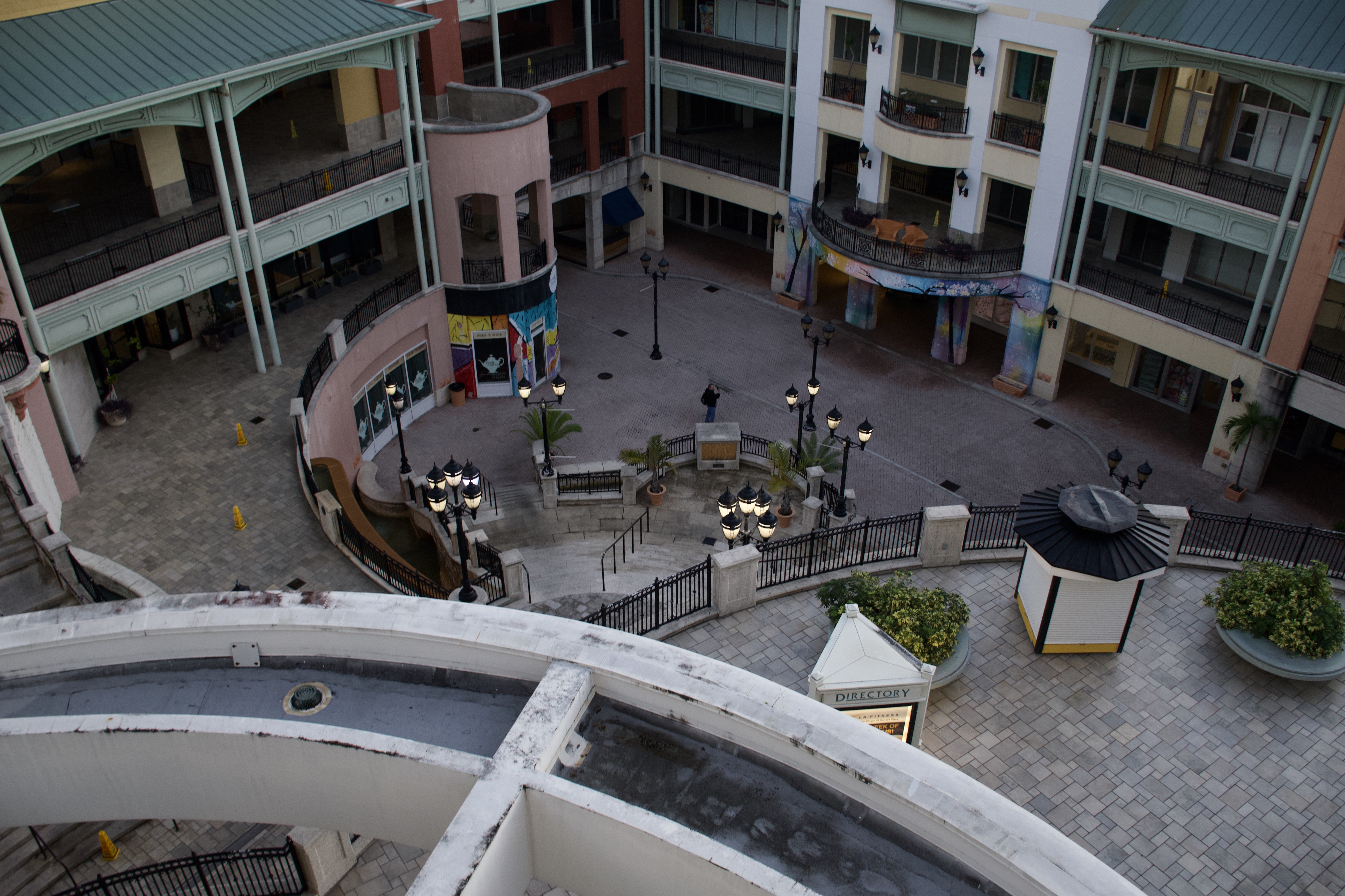
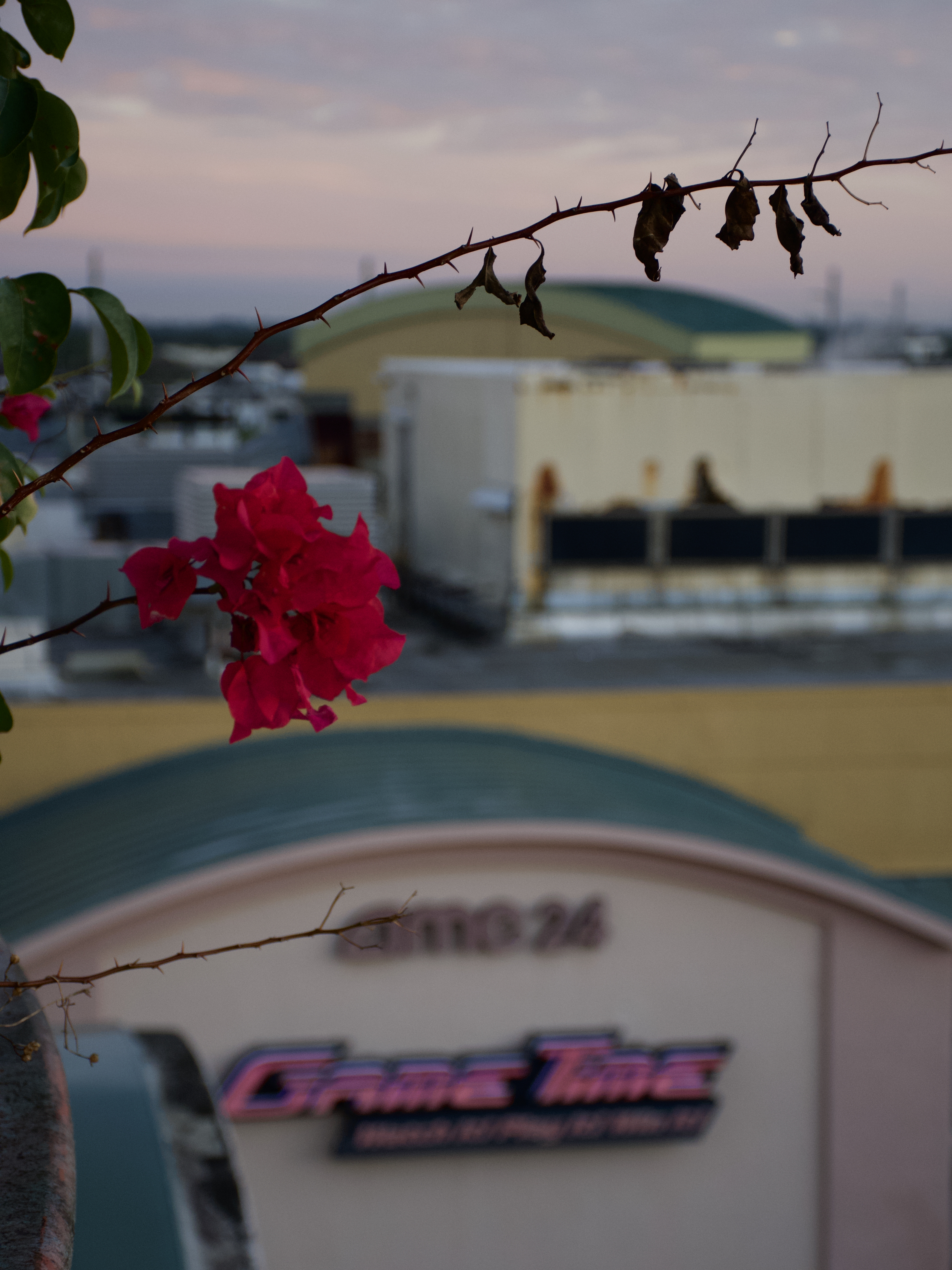
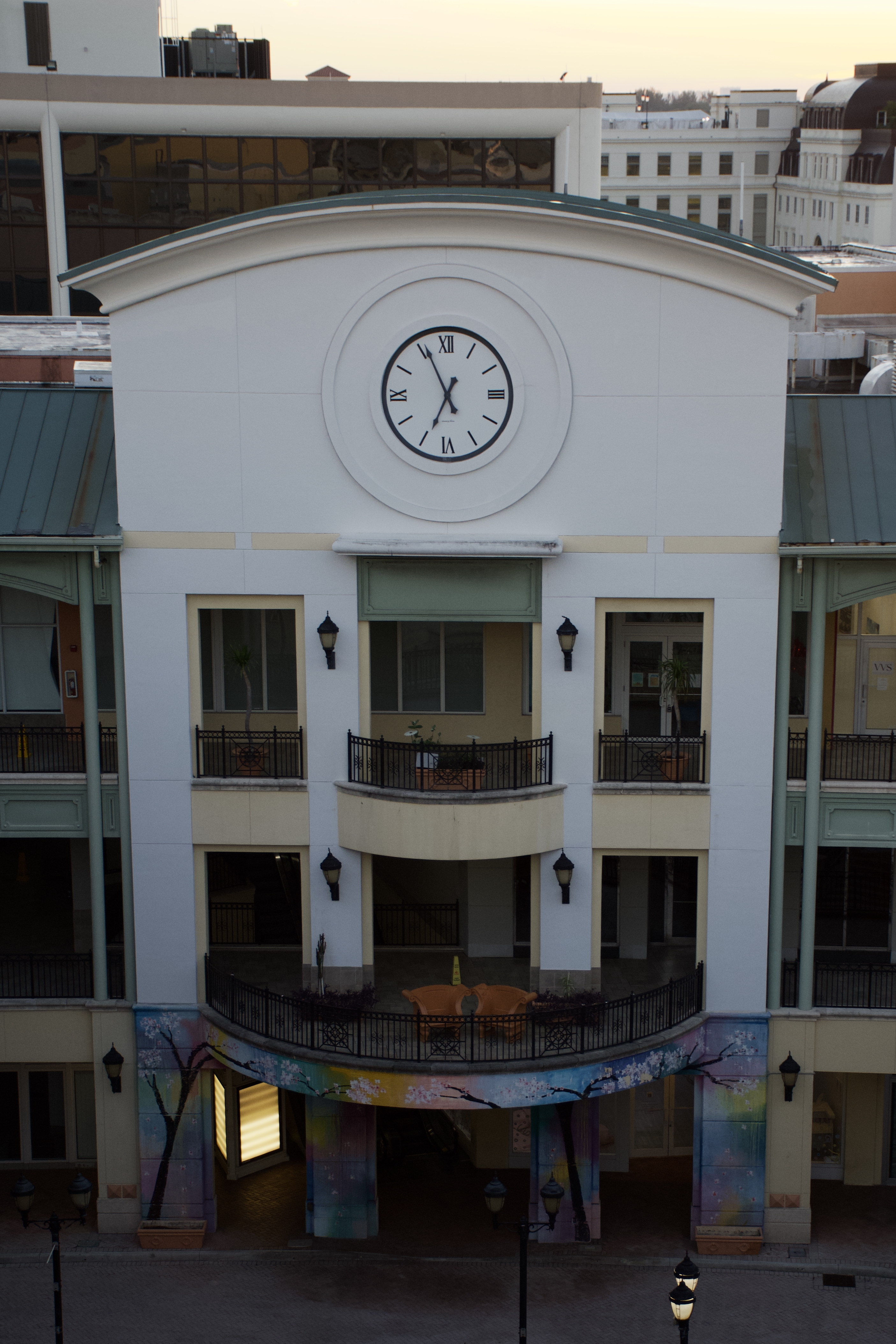
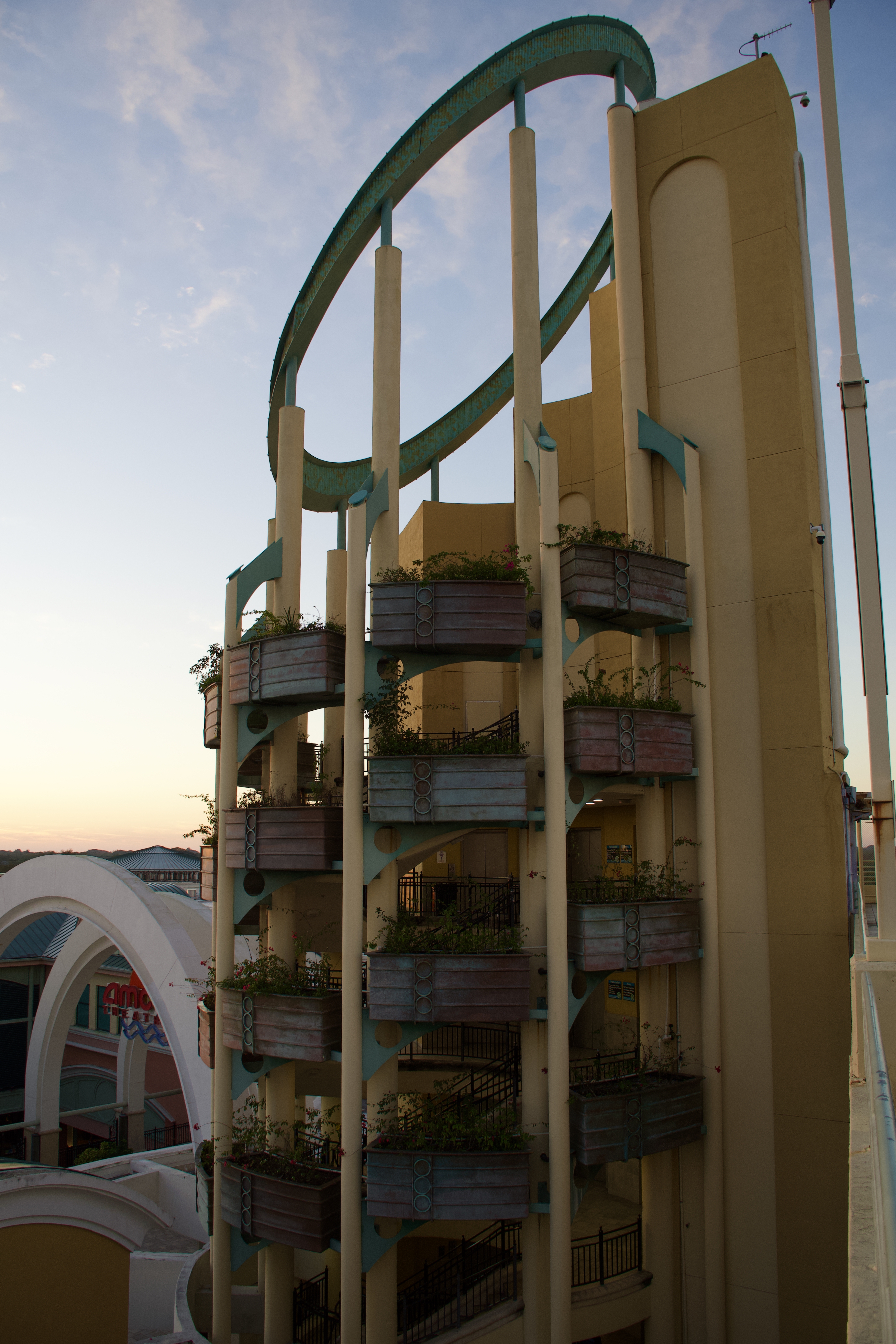
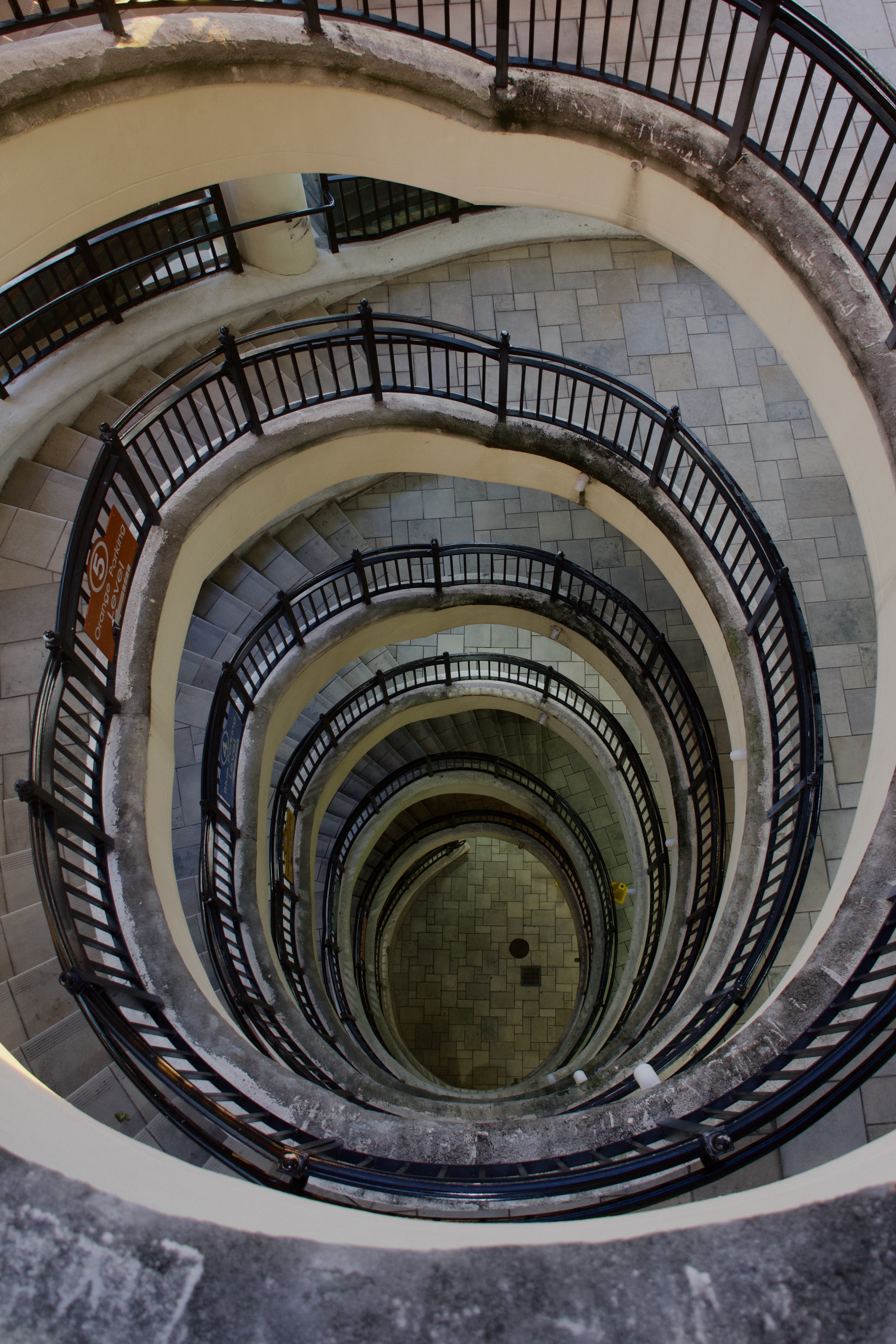
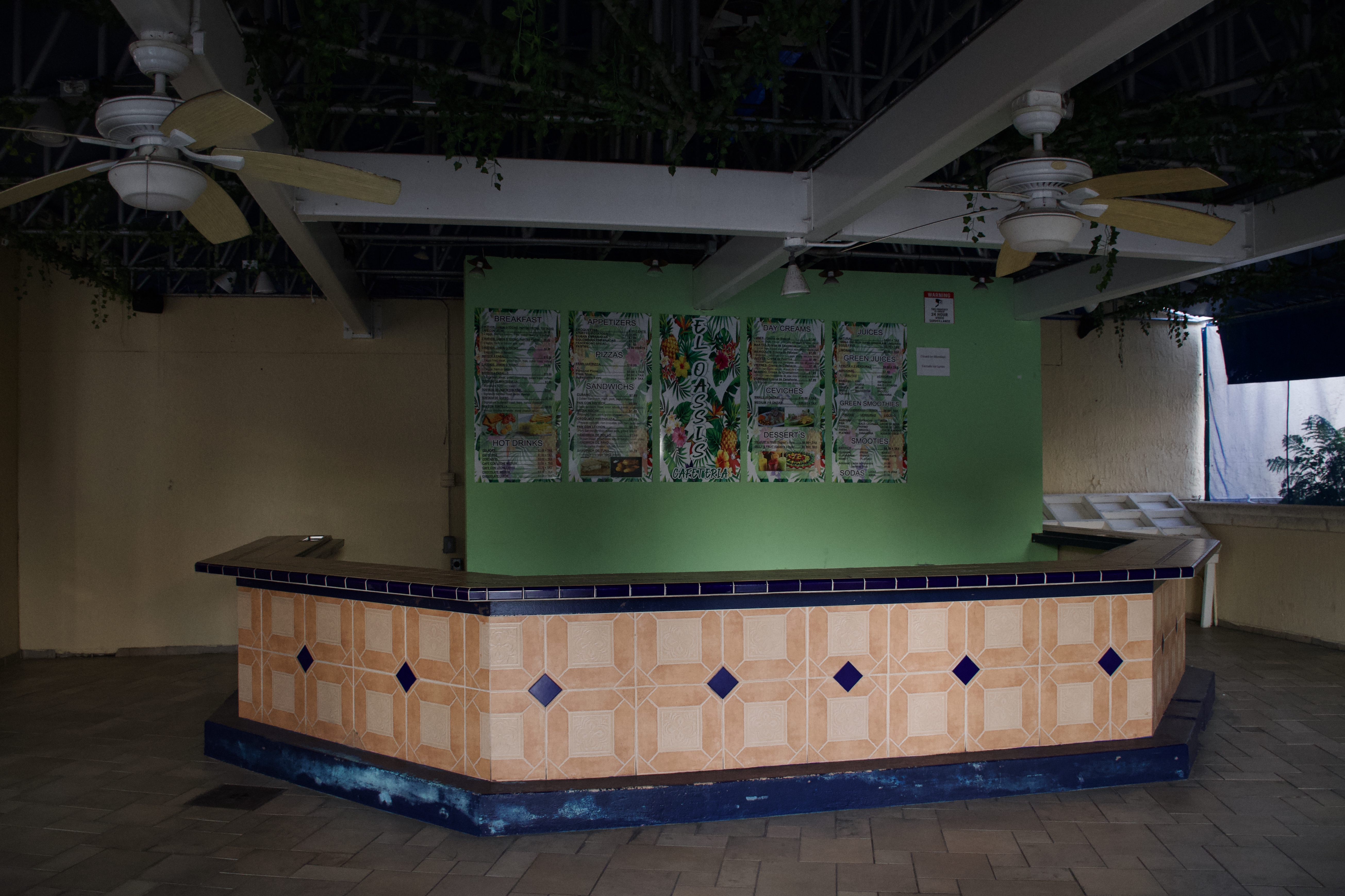
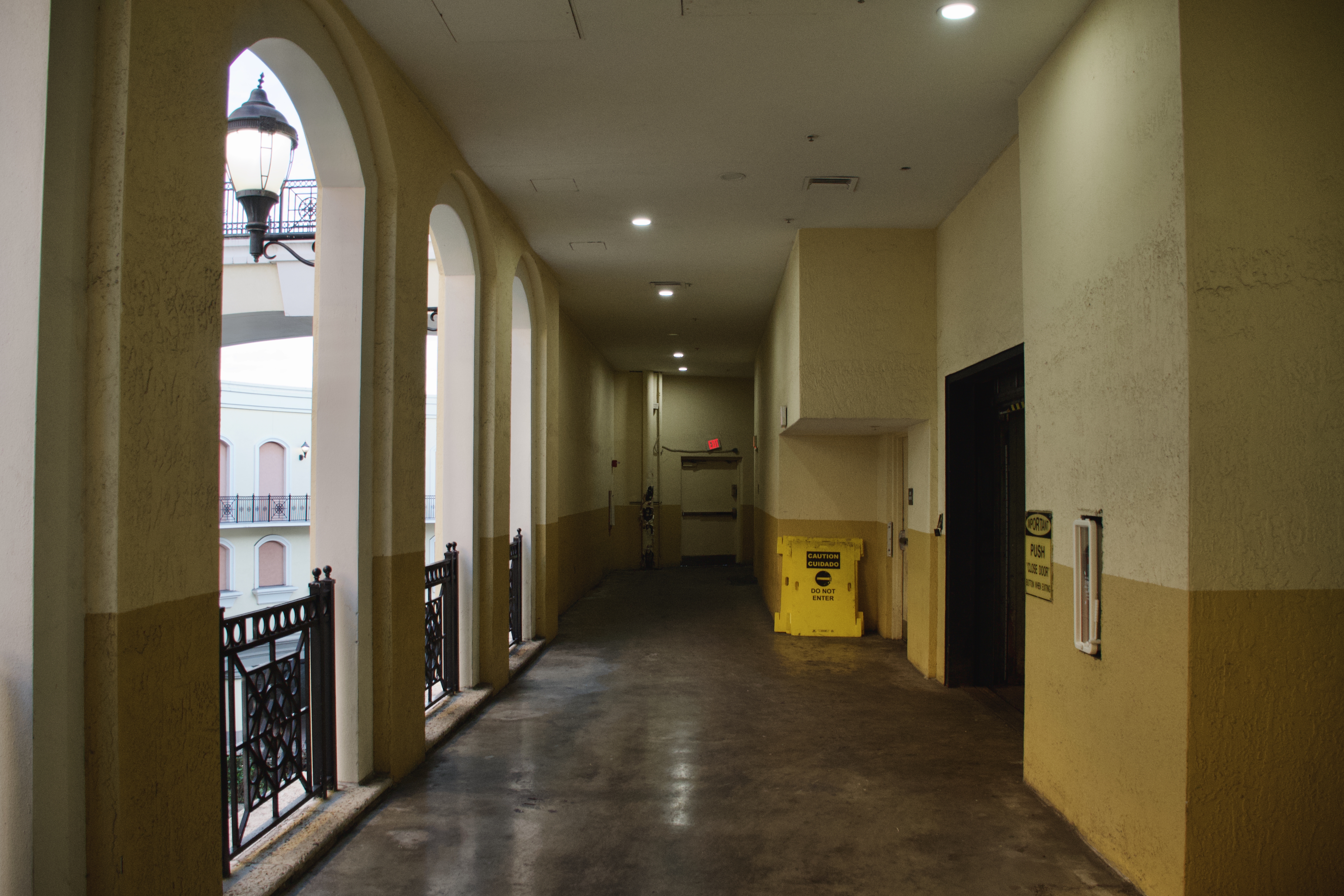
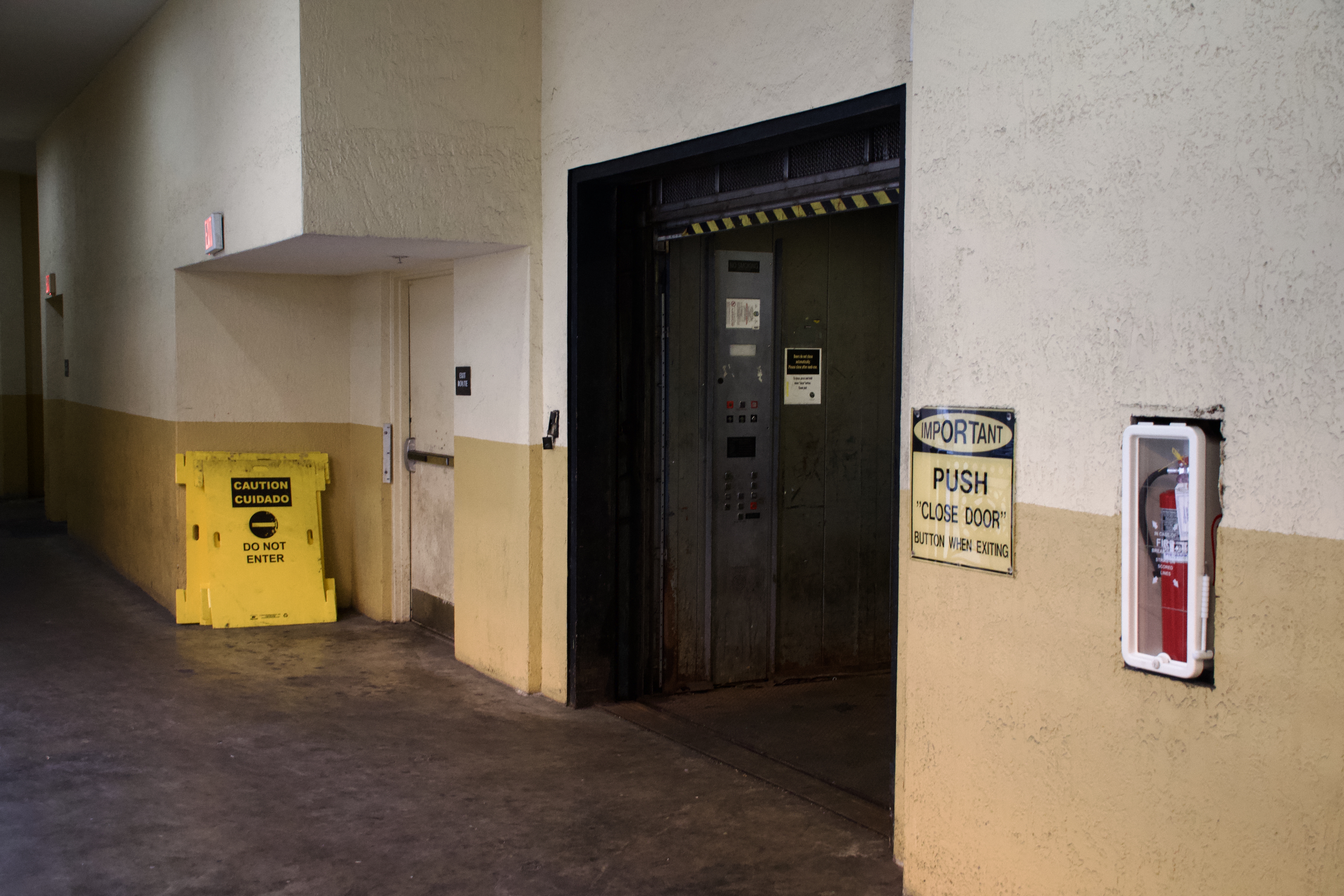
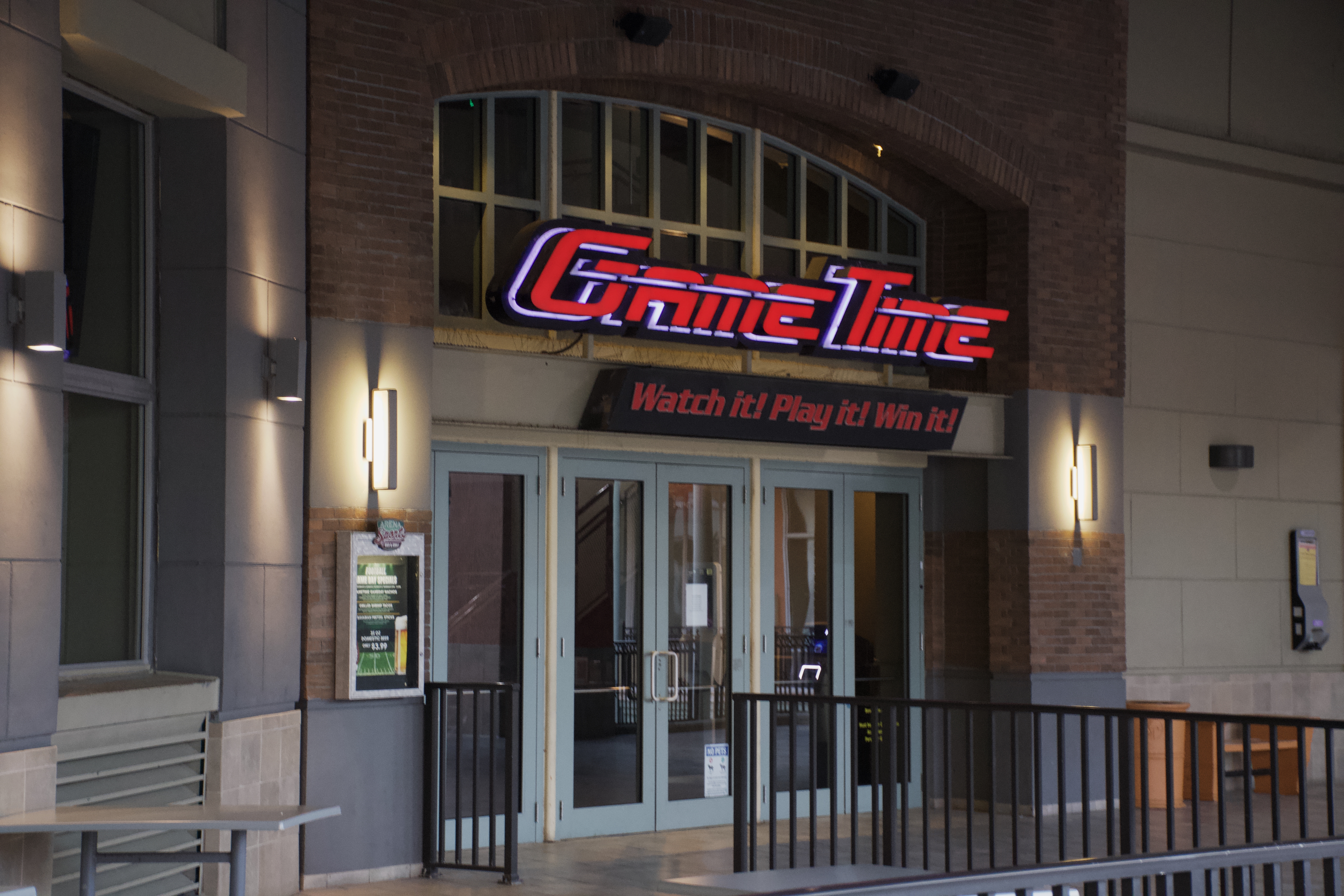
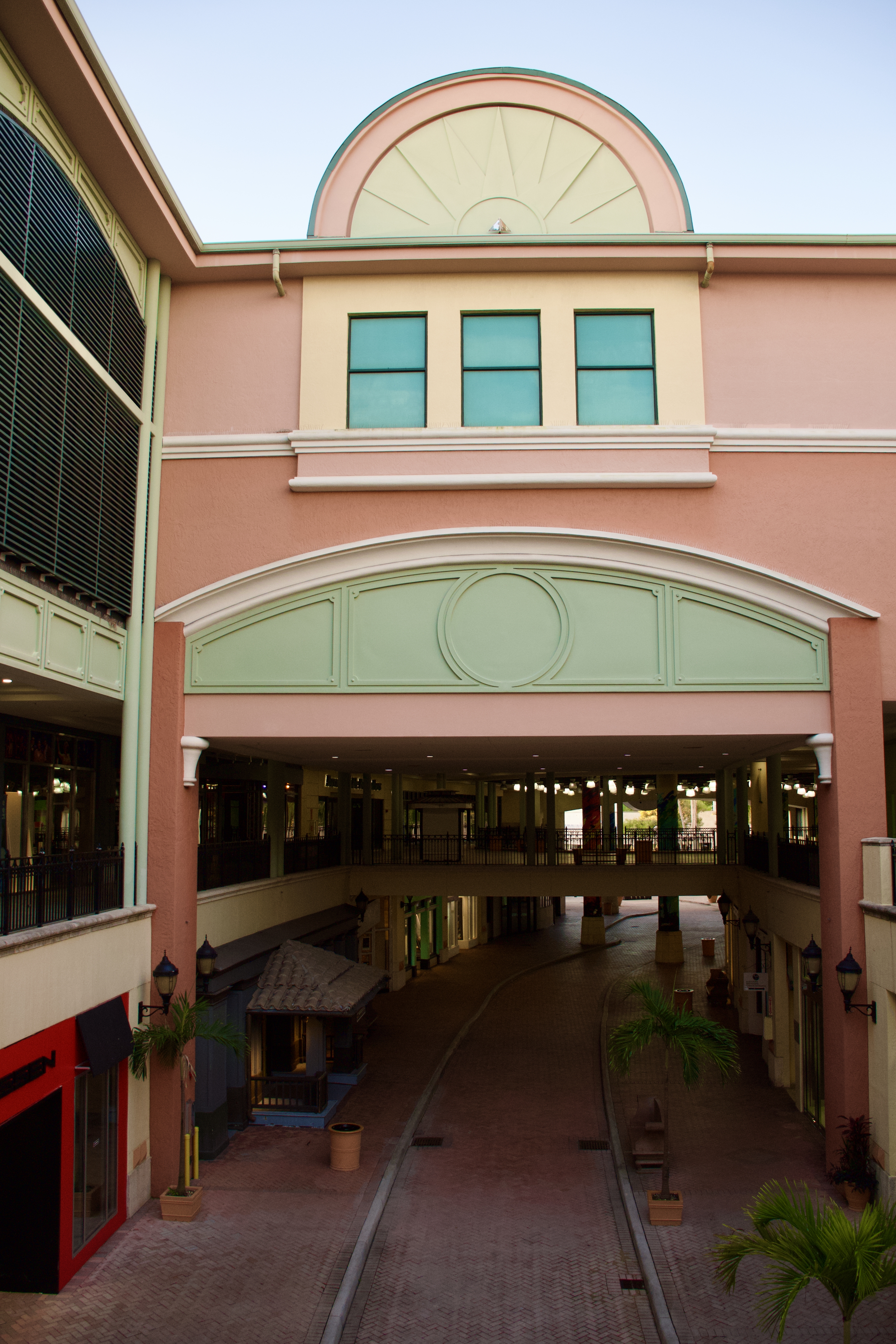
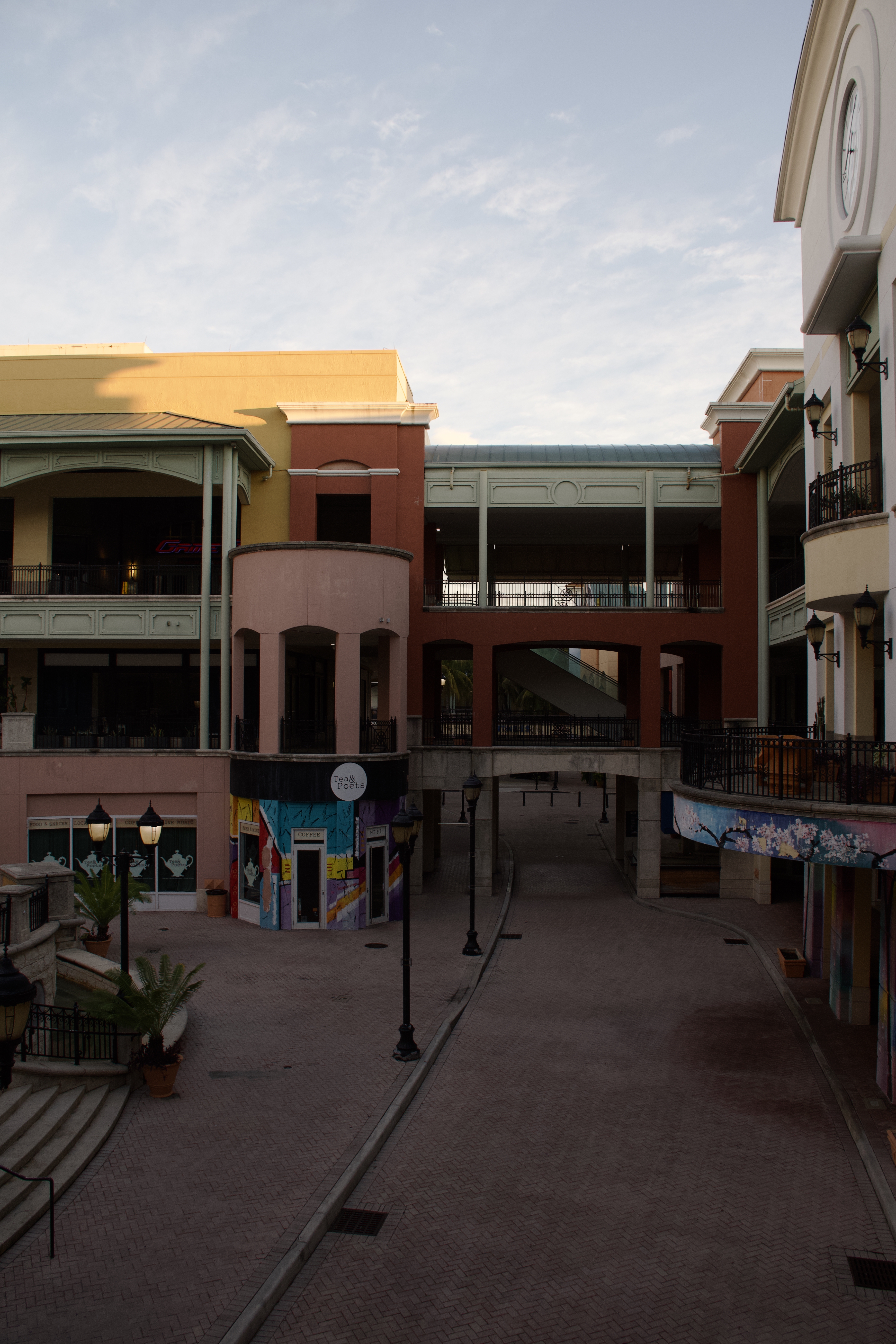
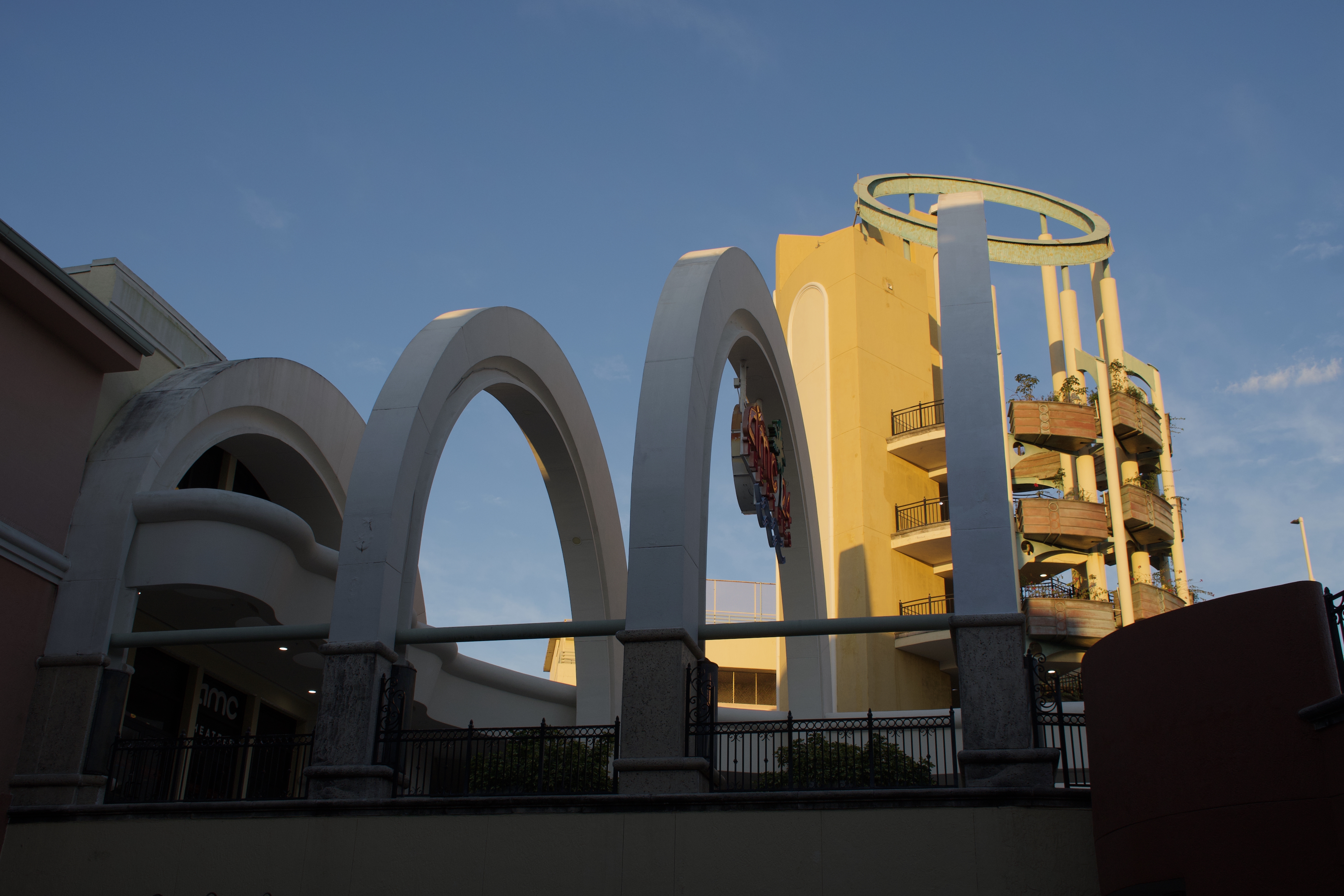
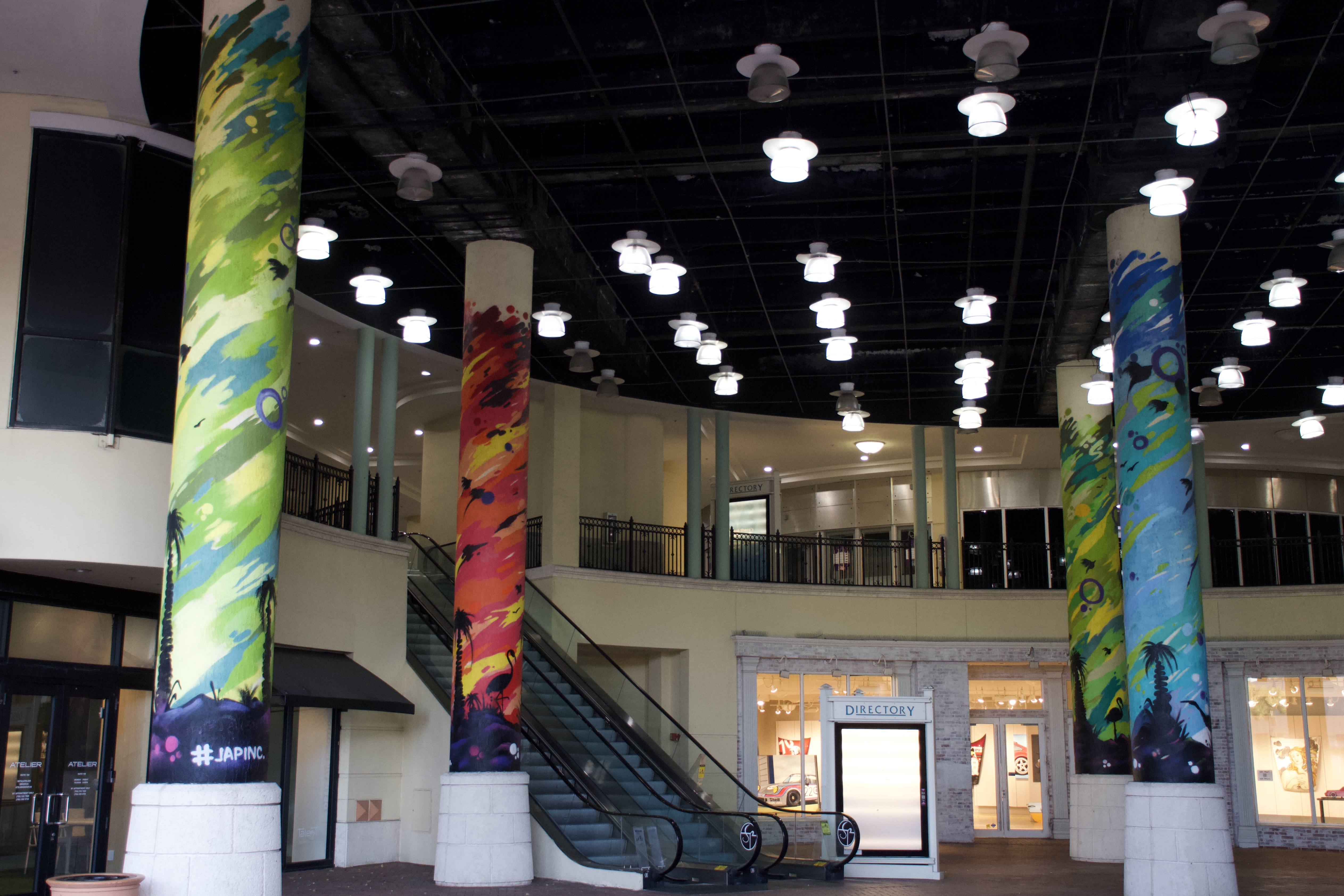
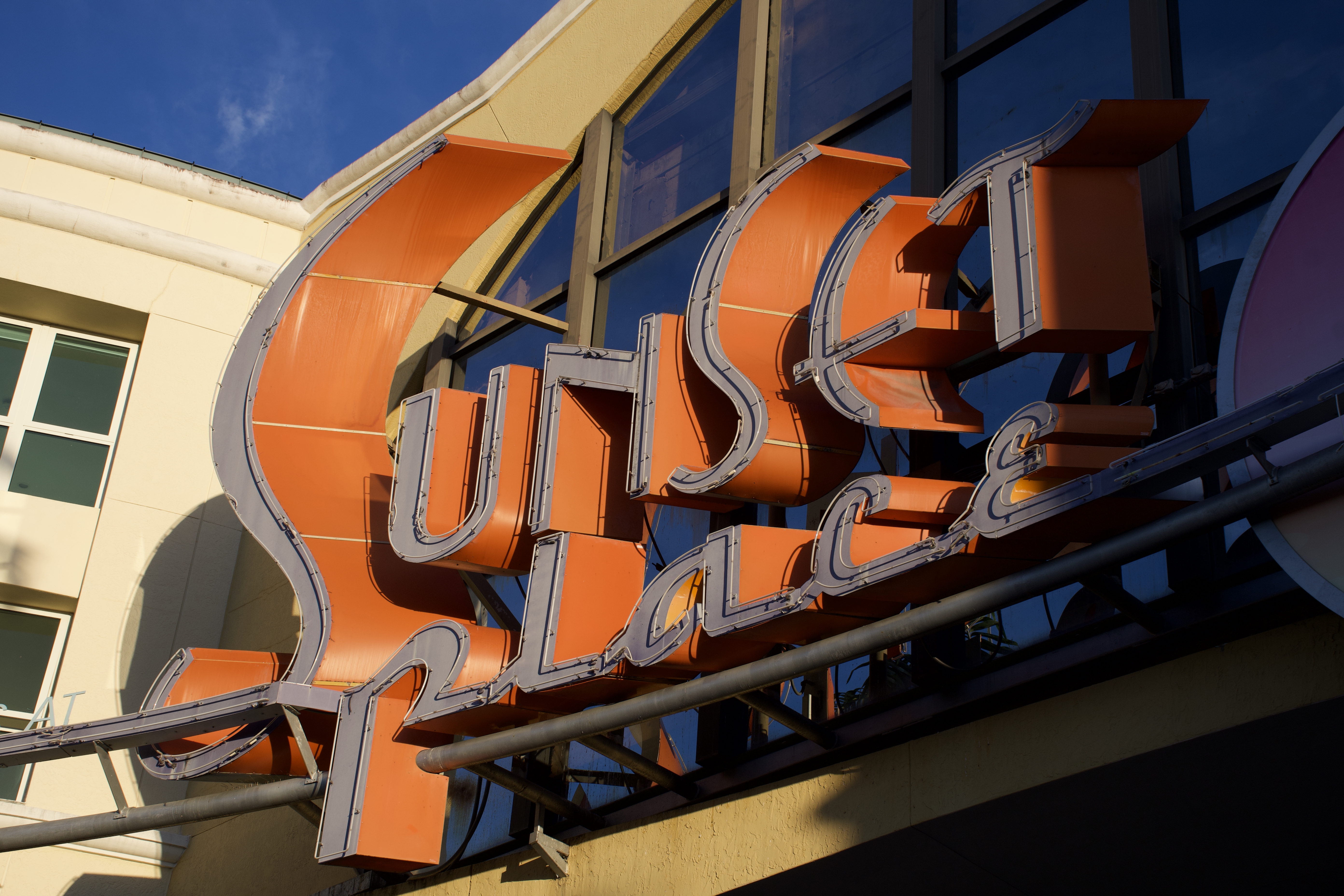
This photowalk was meant to explore Sunset Place, an outdoor shopping mall in South Miami that’s slated to be demolished… eventually. I have some fond memories of the place, and I’ll be sorry to see it go. It’s also the closest high-grade movie theater, so once it goes, I’ll have to do without Dolby Vision until AMC opens a new one.
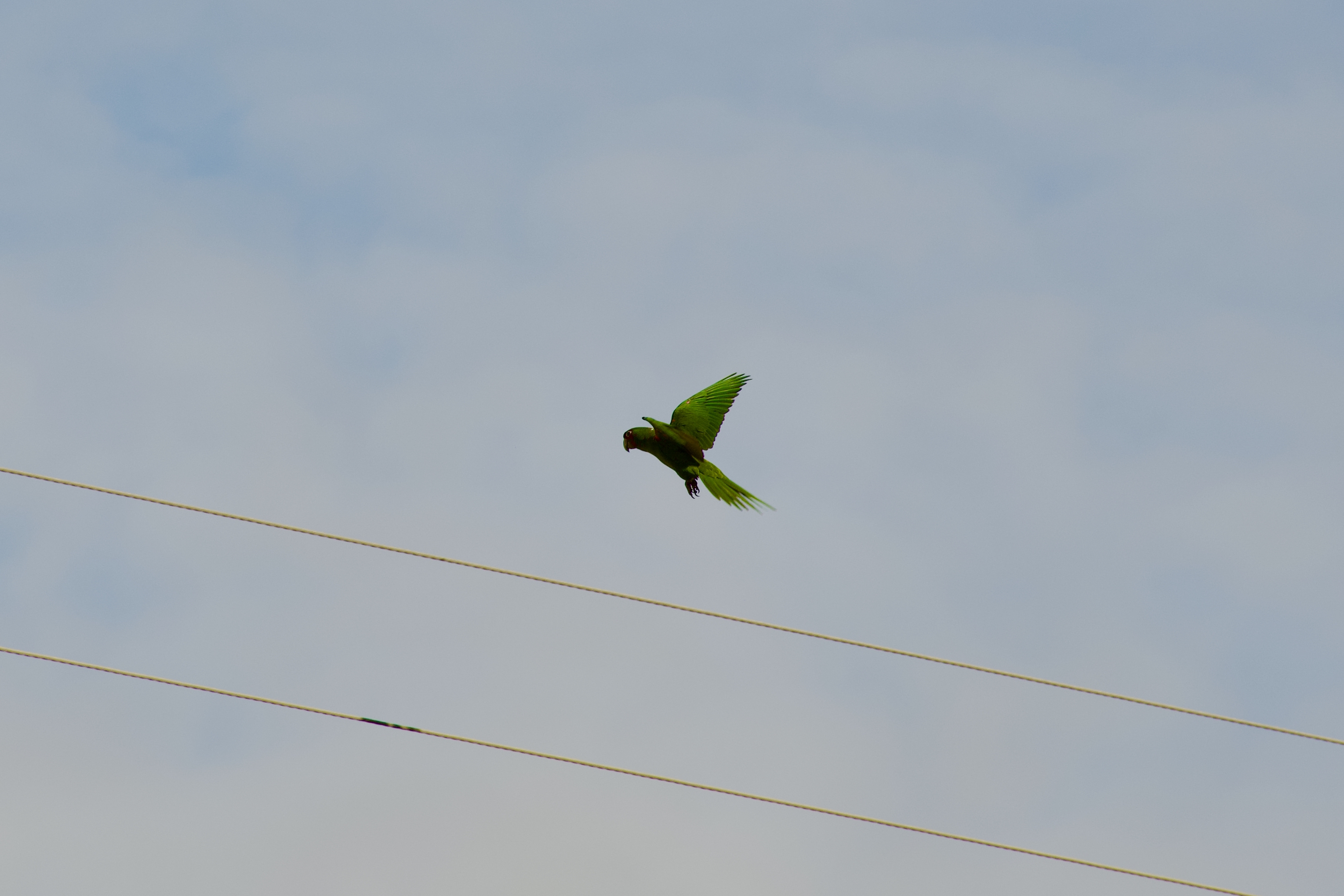
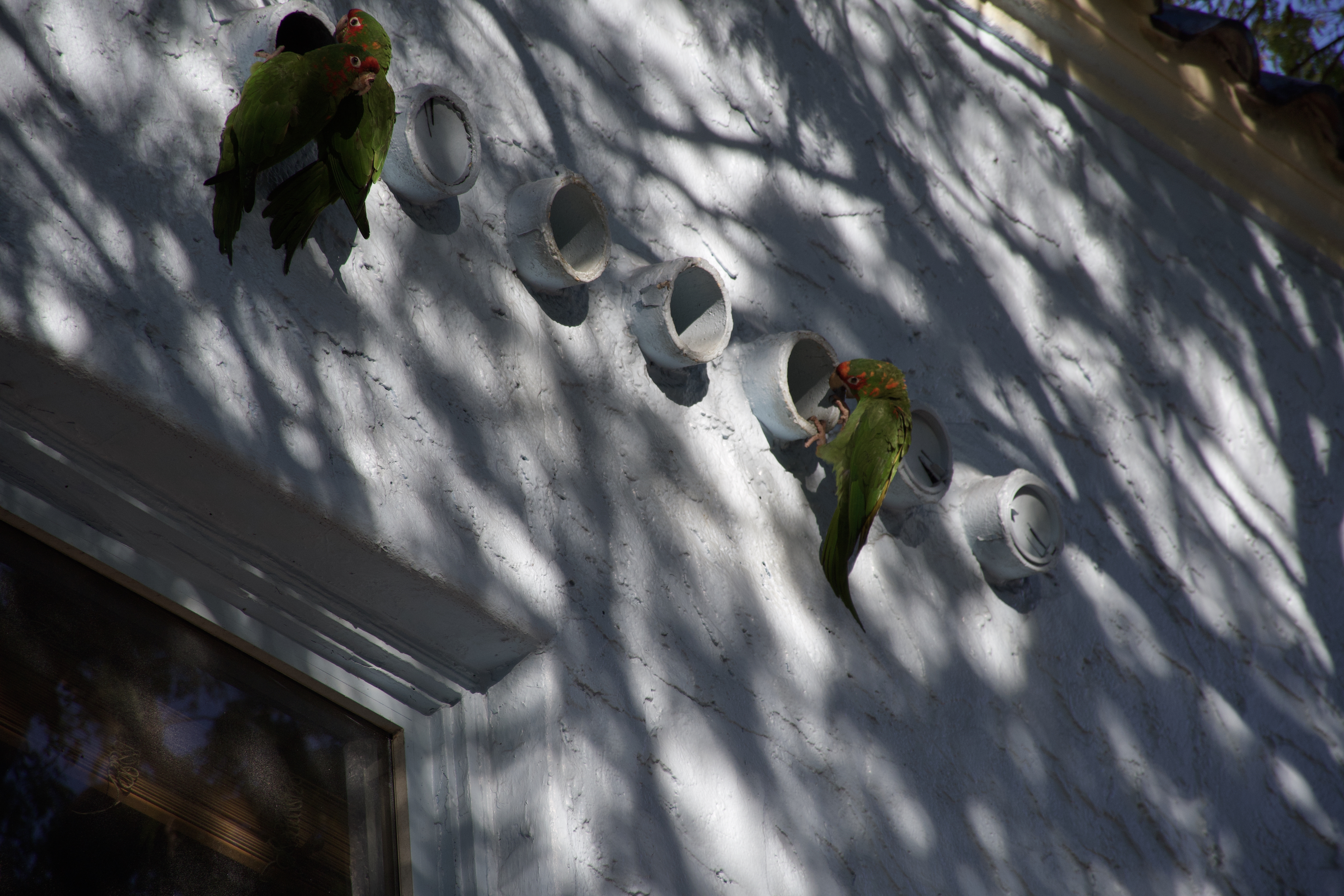
I managed to roam around half of the mall around dawn, as well as some interesting spots in the surrounding neighborhood. I even got a swag-bag from a grocery store that was having its grand opening.


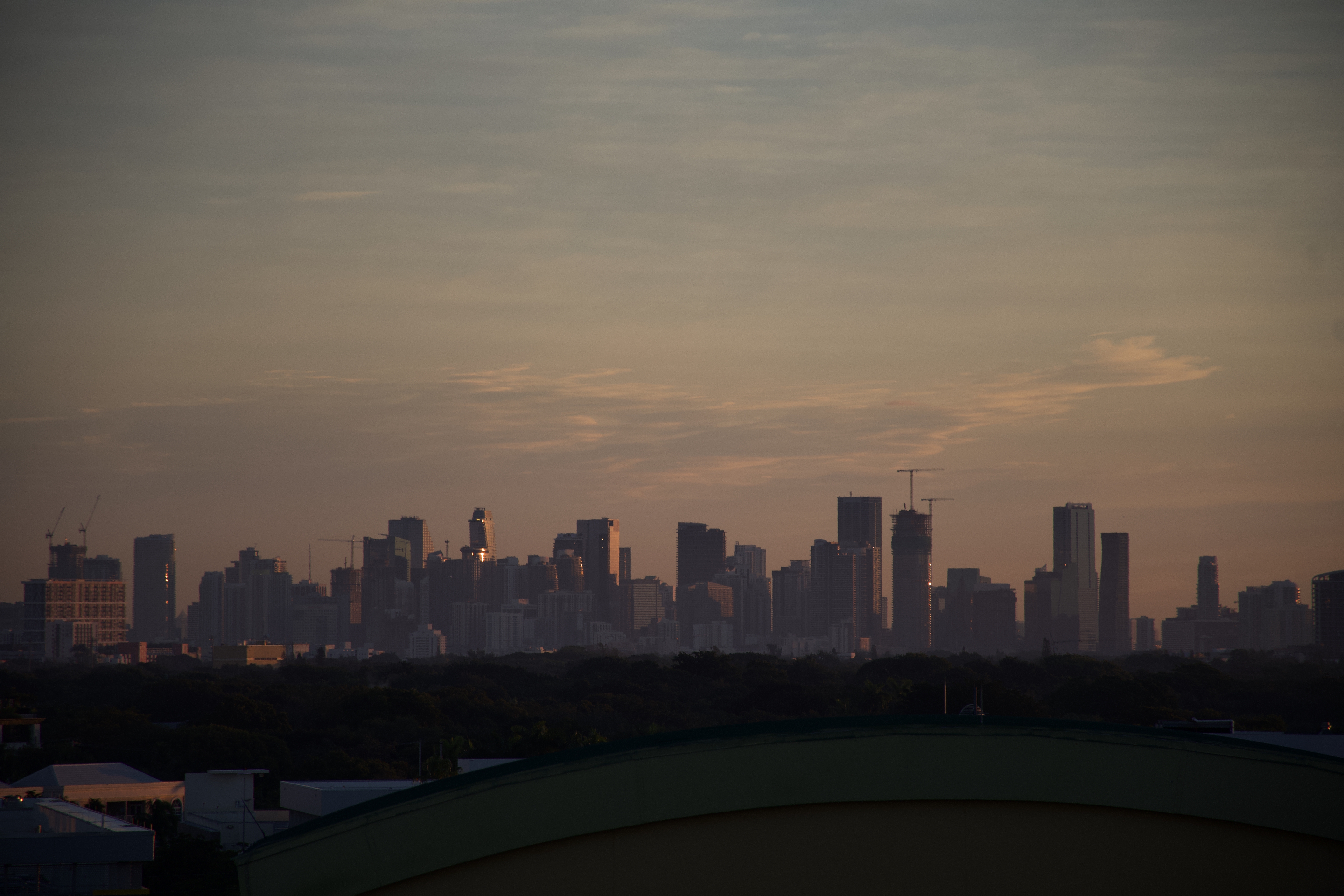
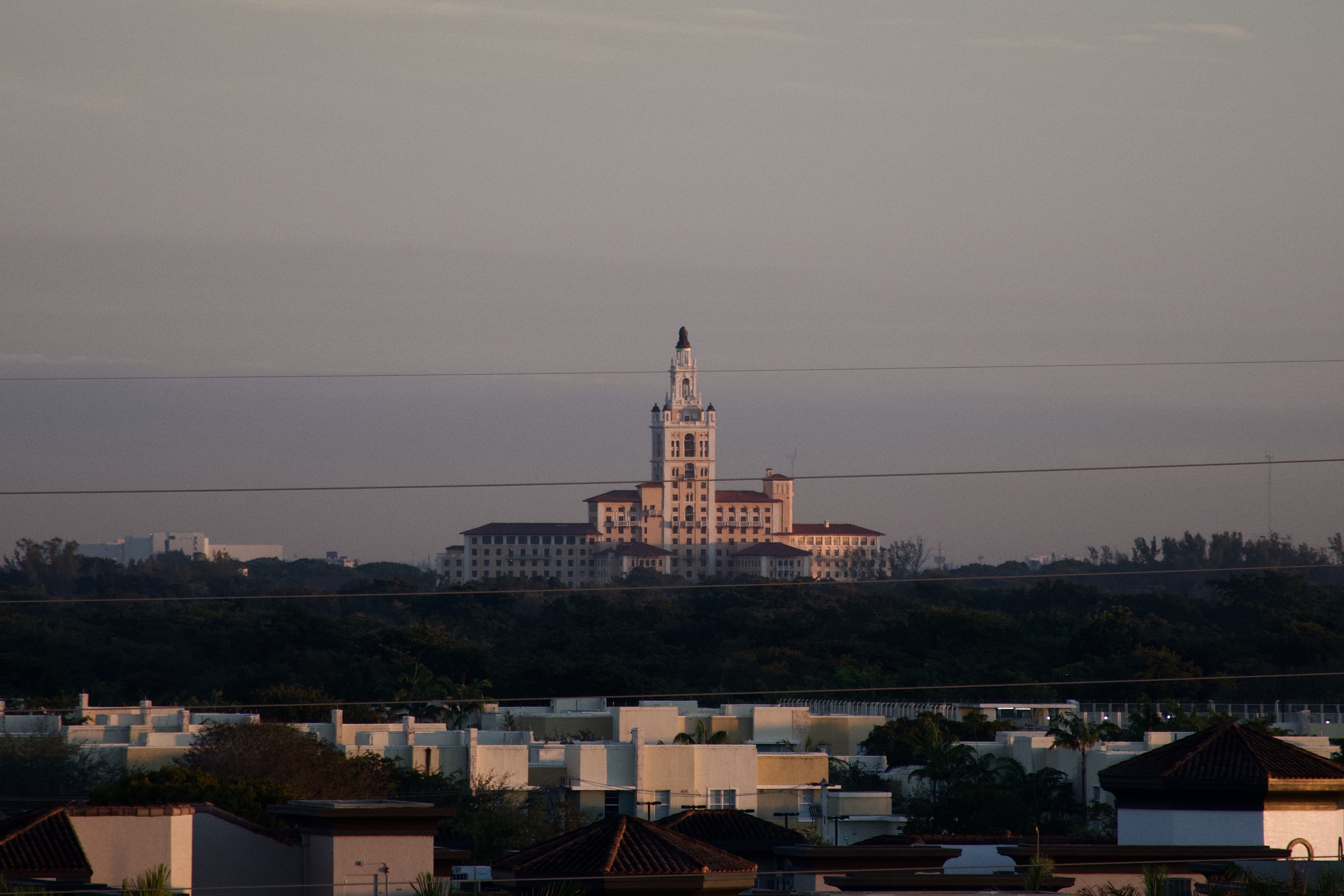
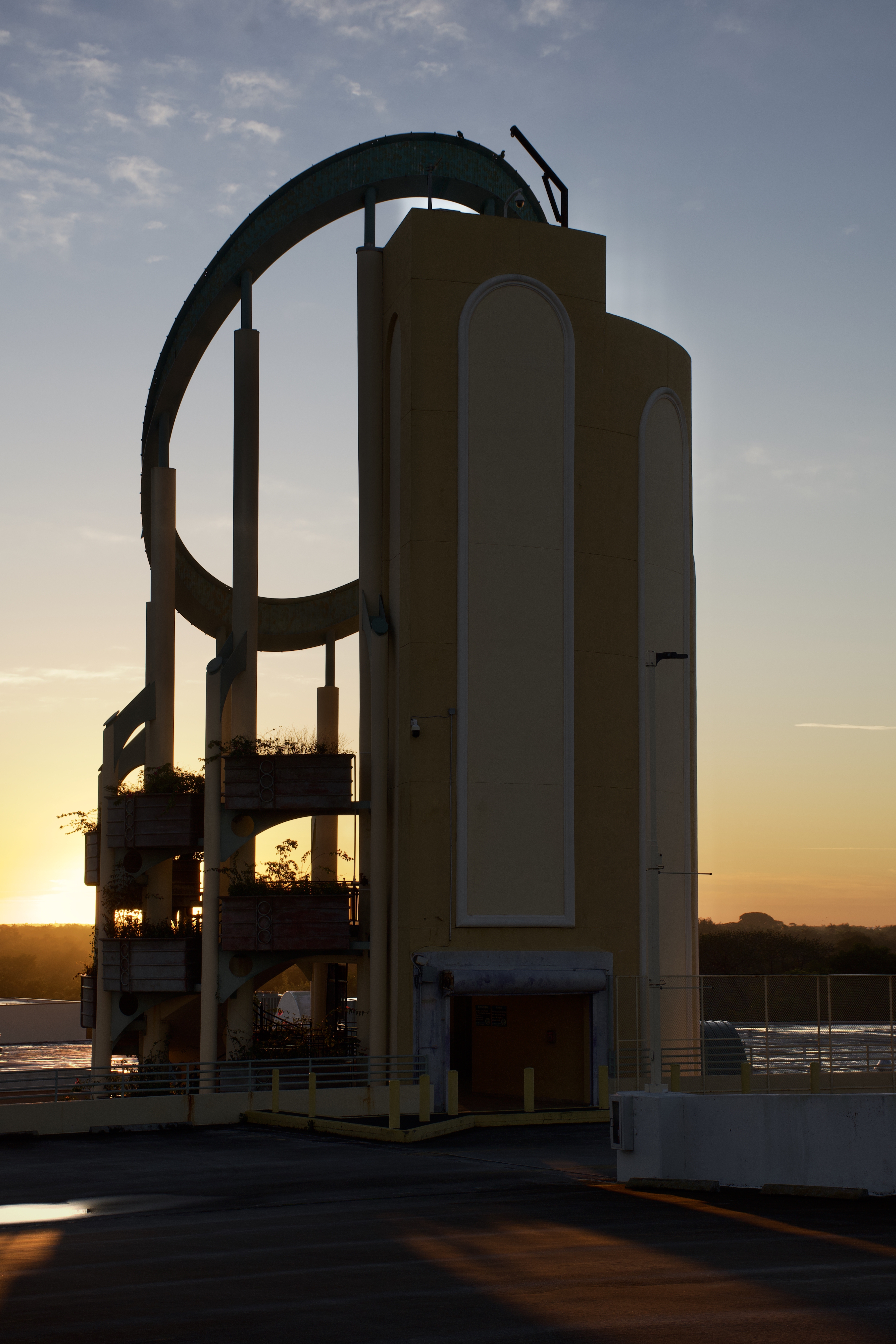


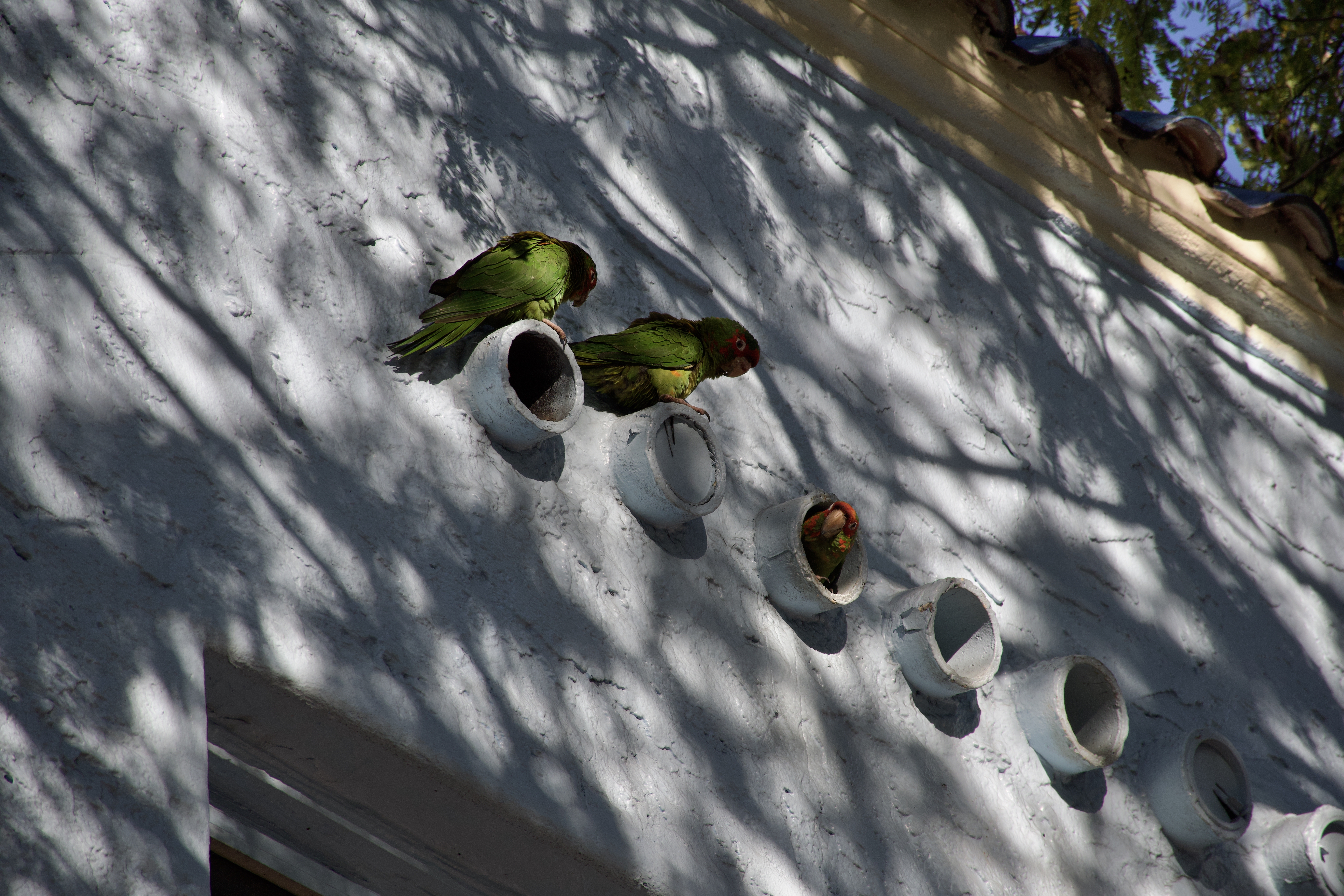
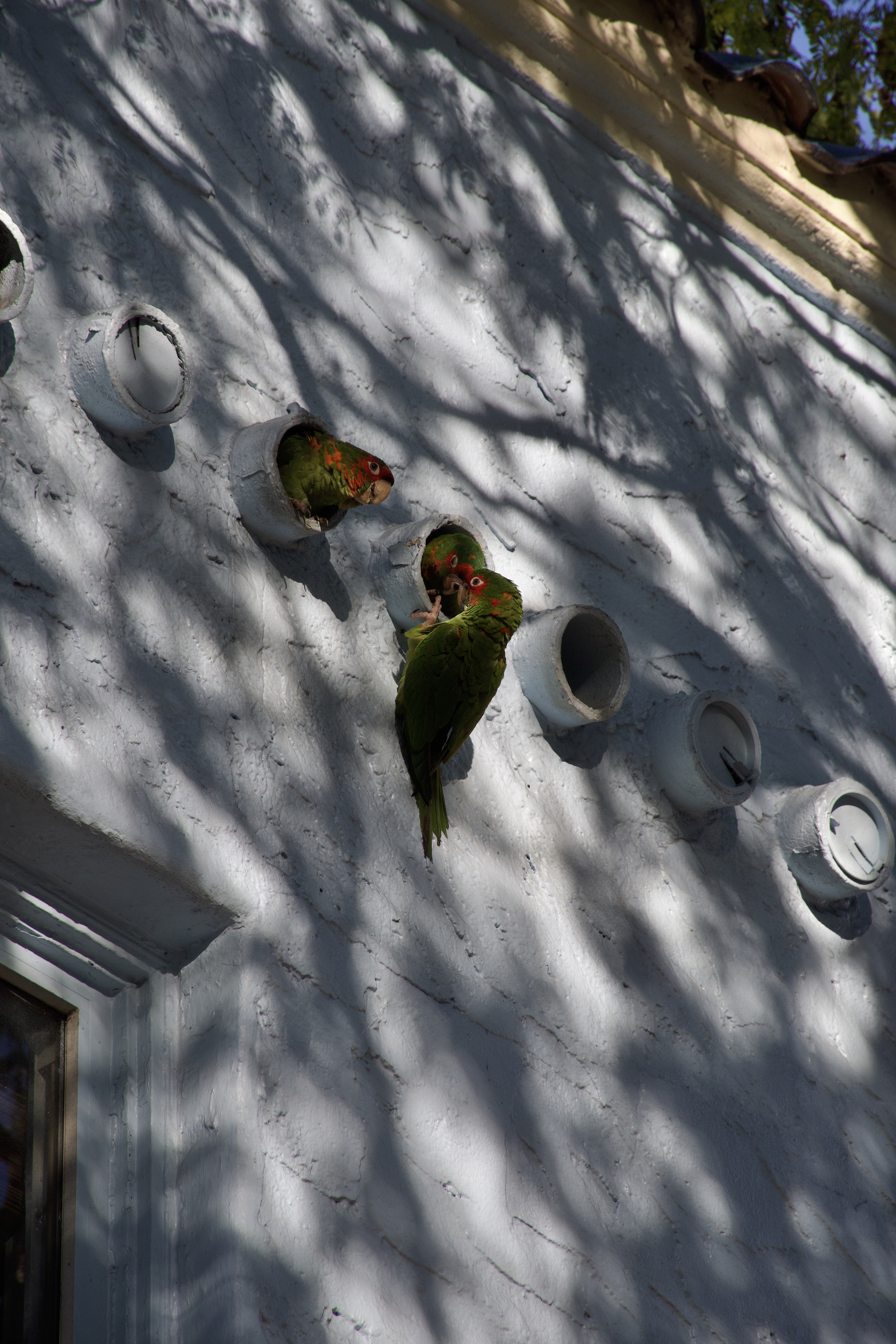
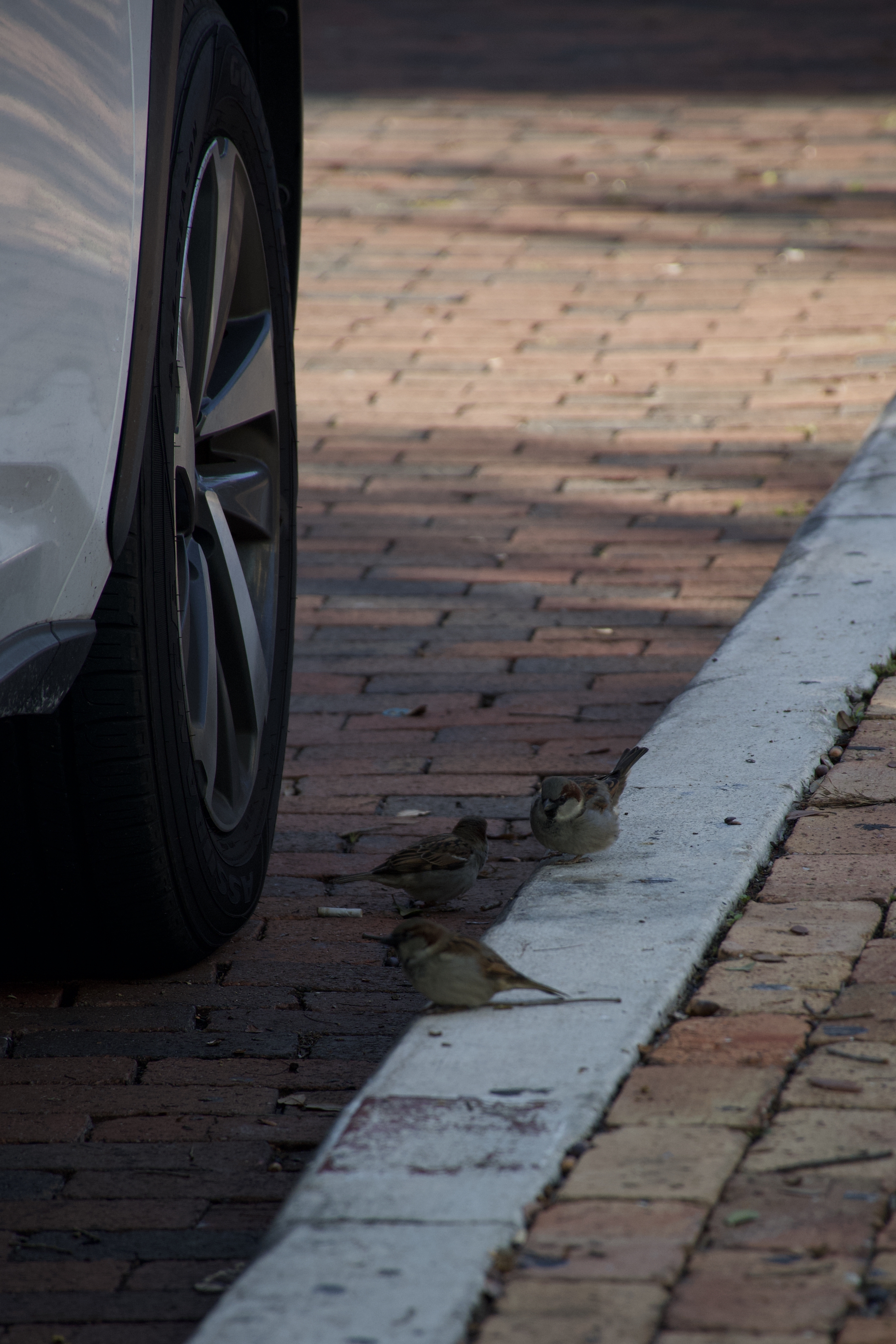
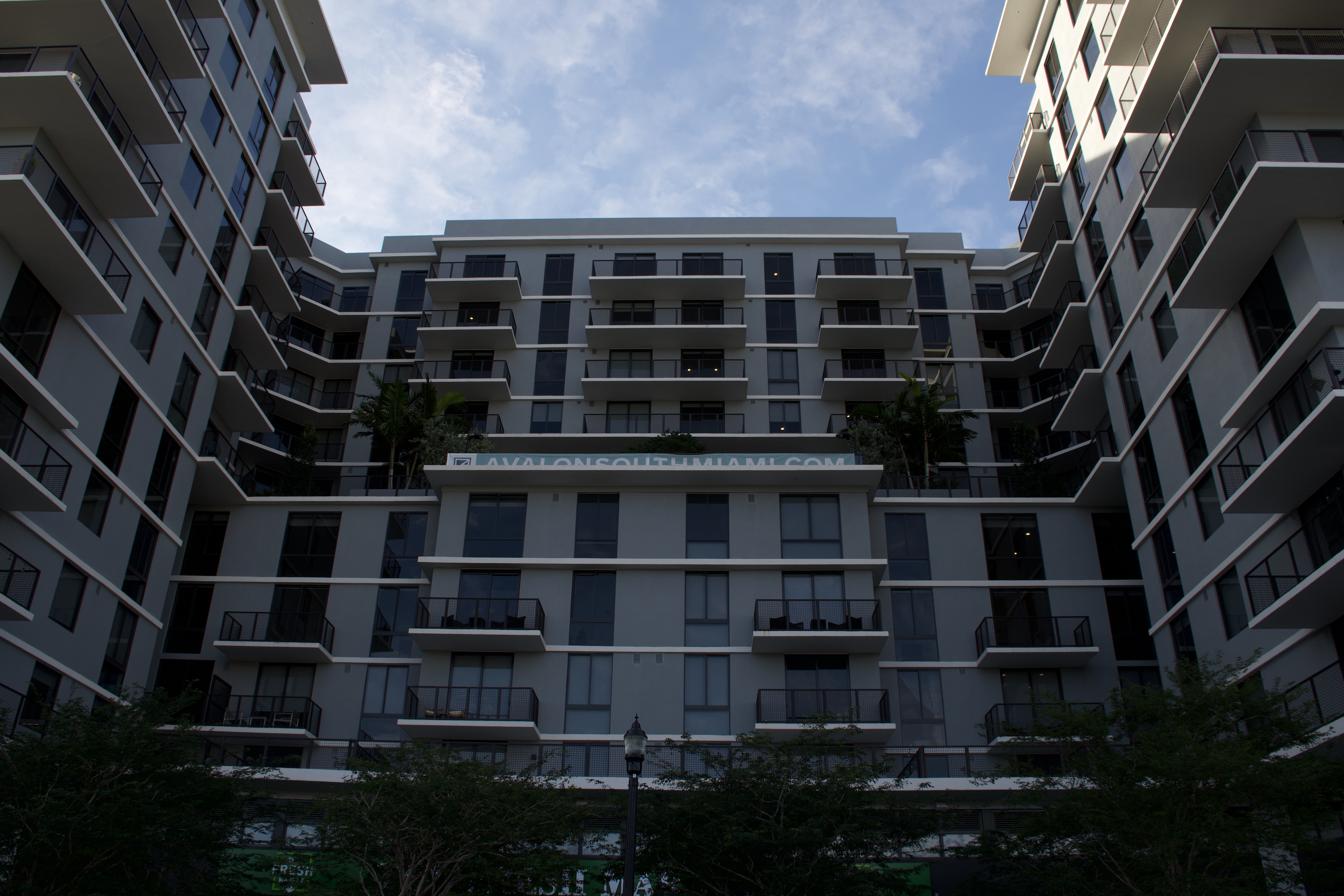
Miami Photowalk 15: Wynwood, Pre-Basel
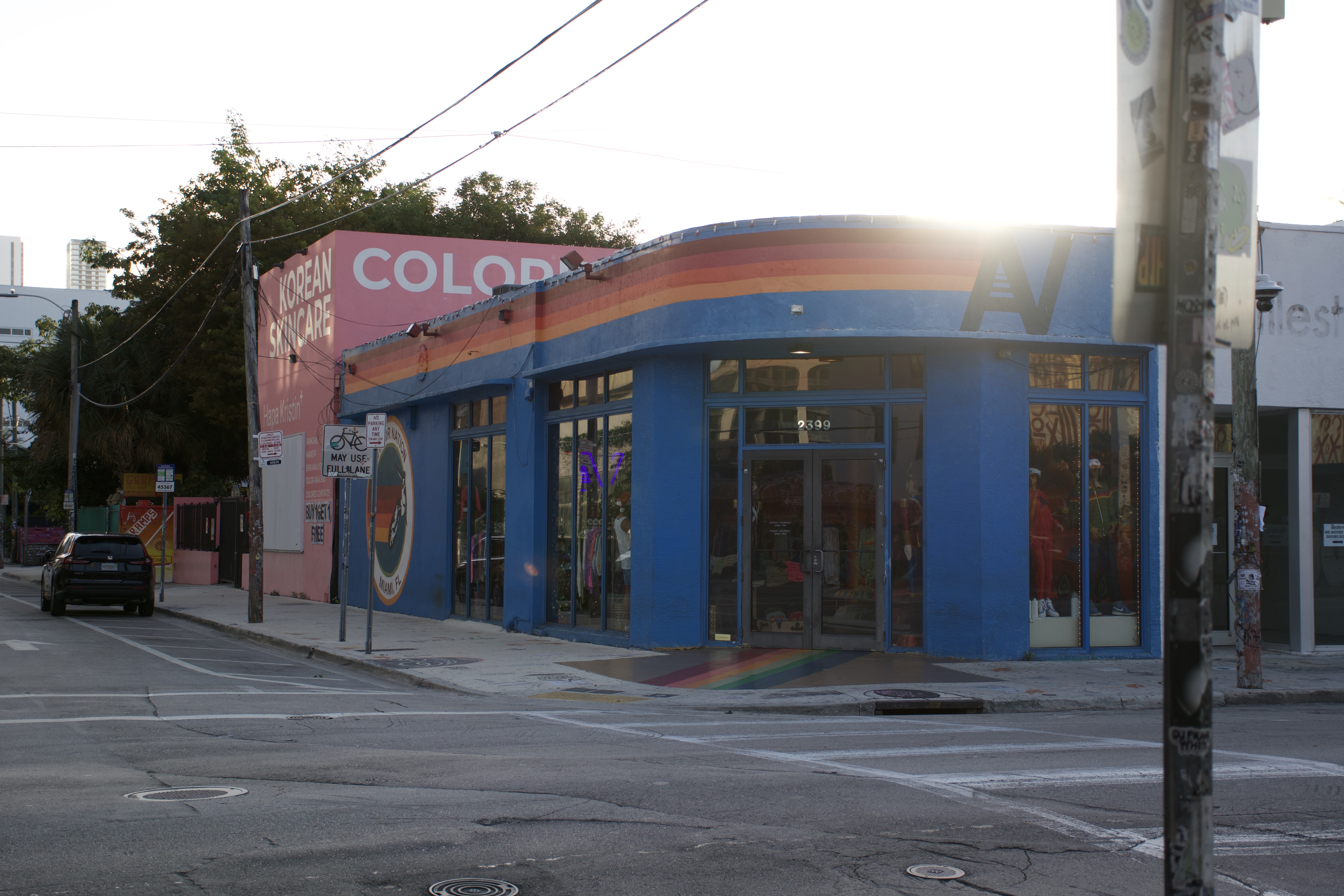
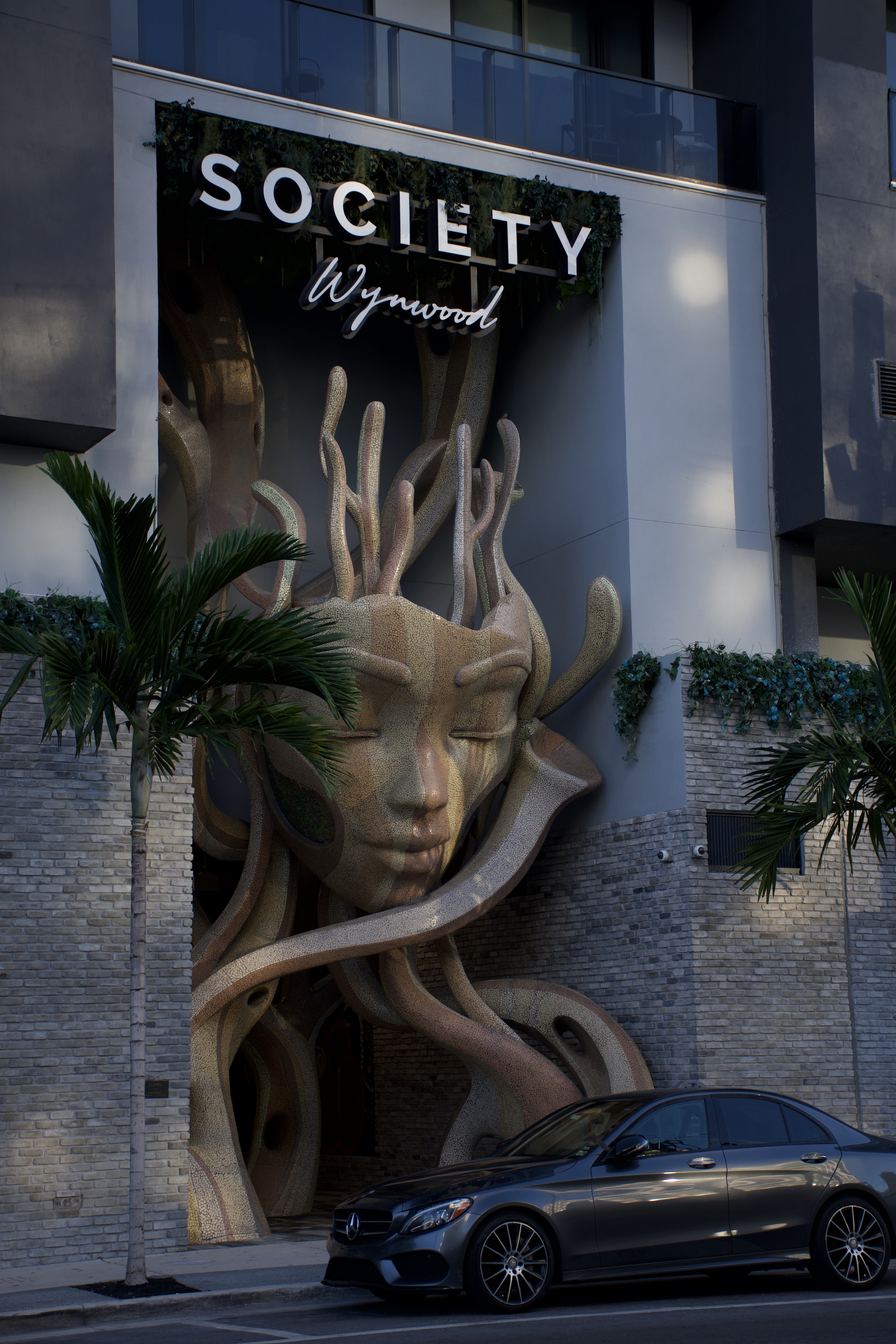
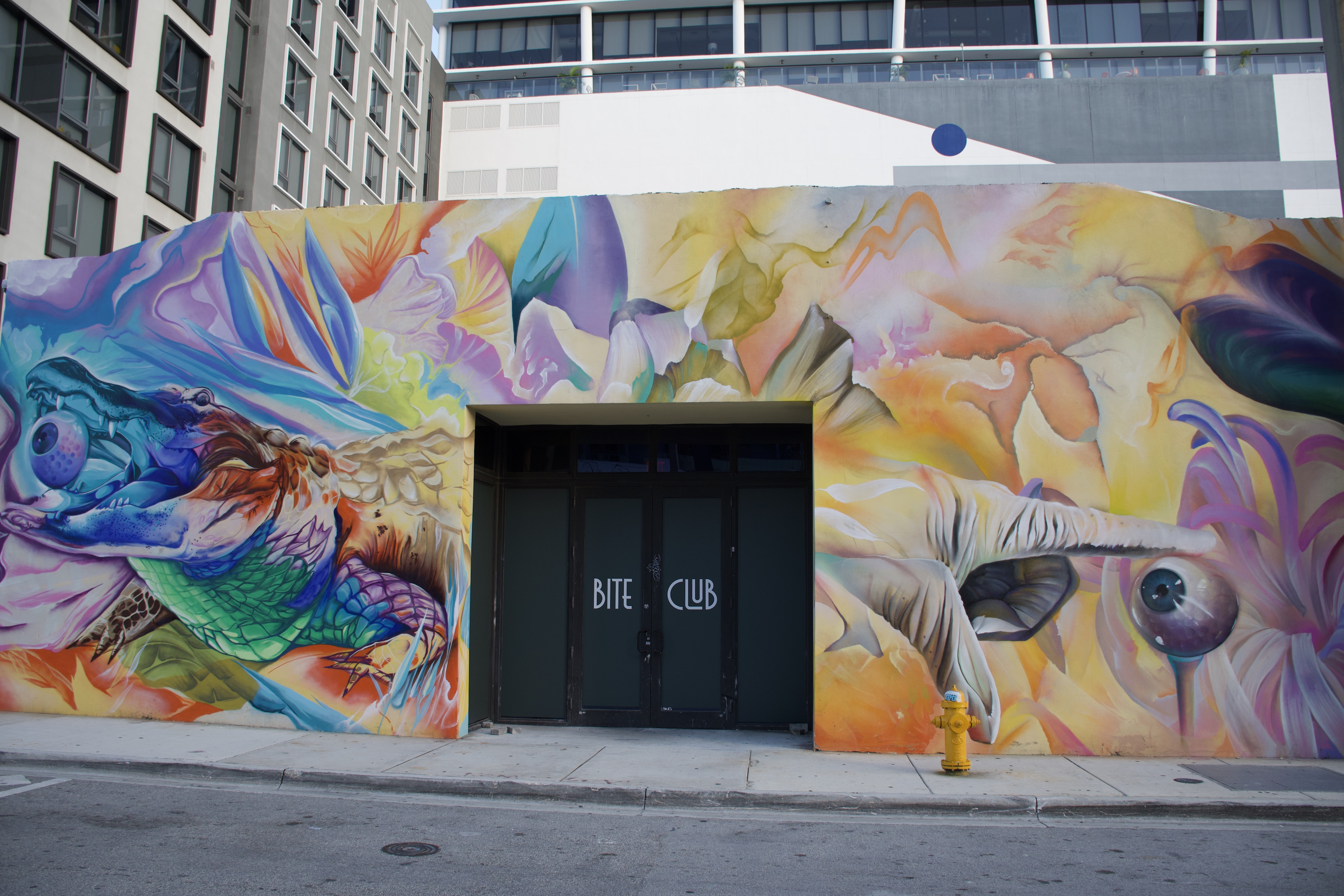
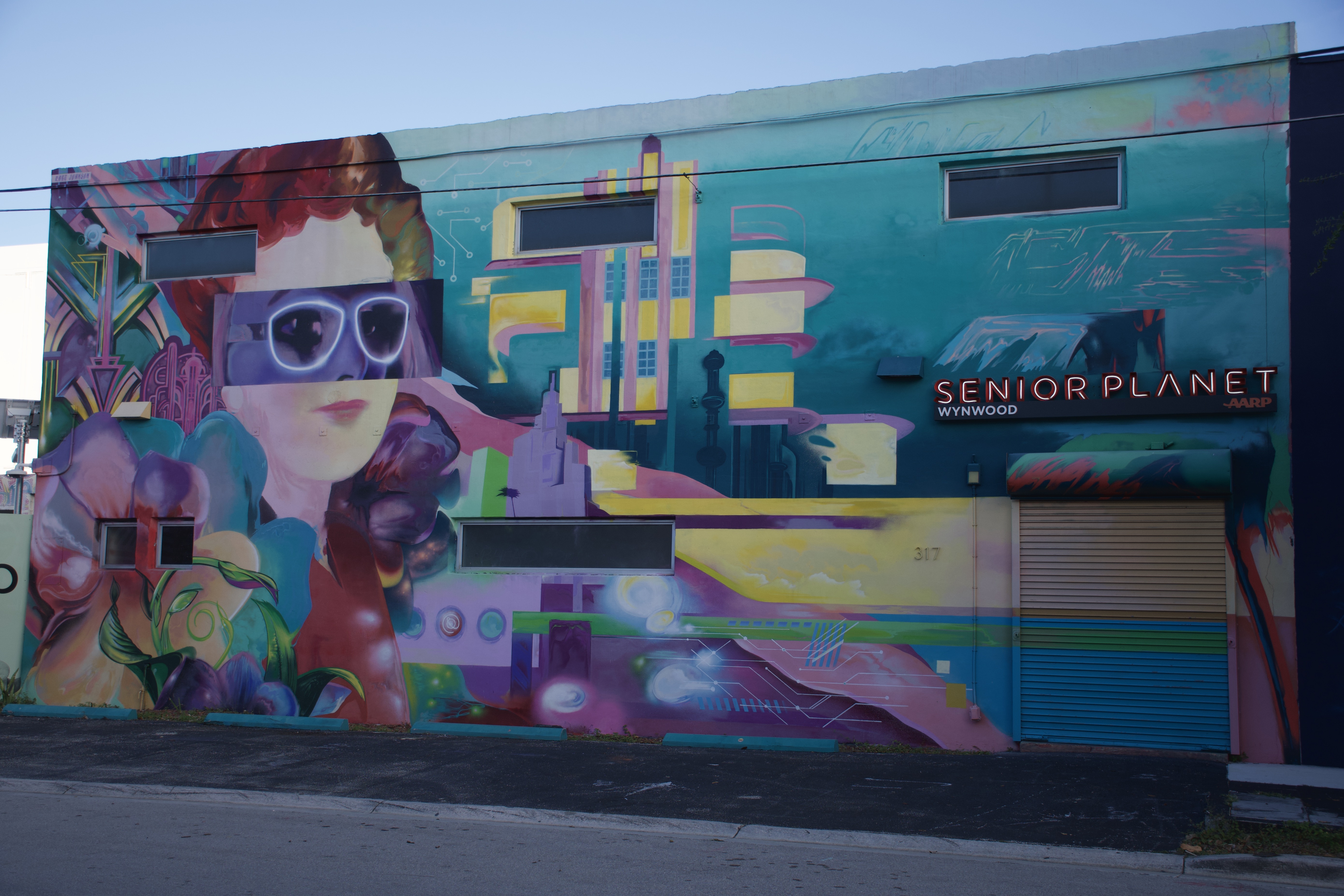
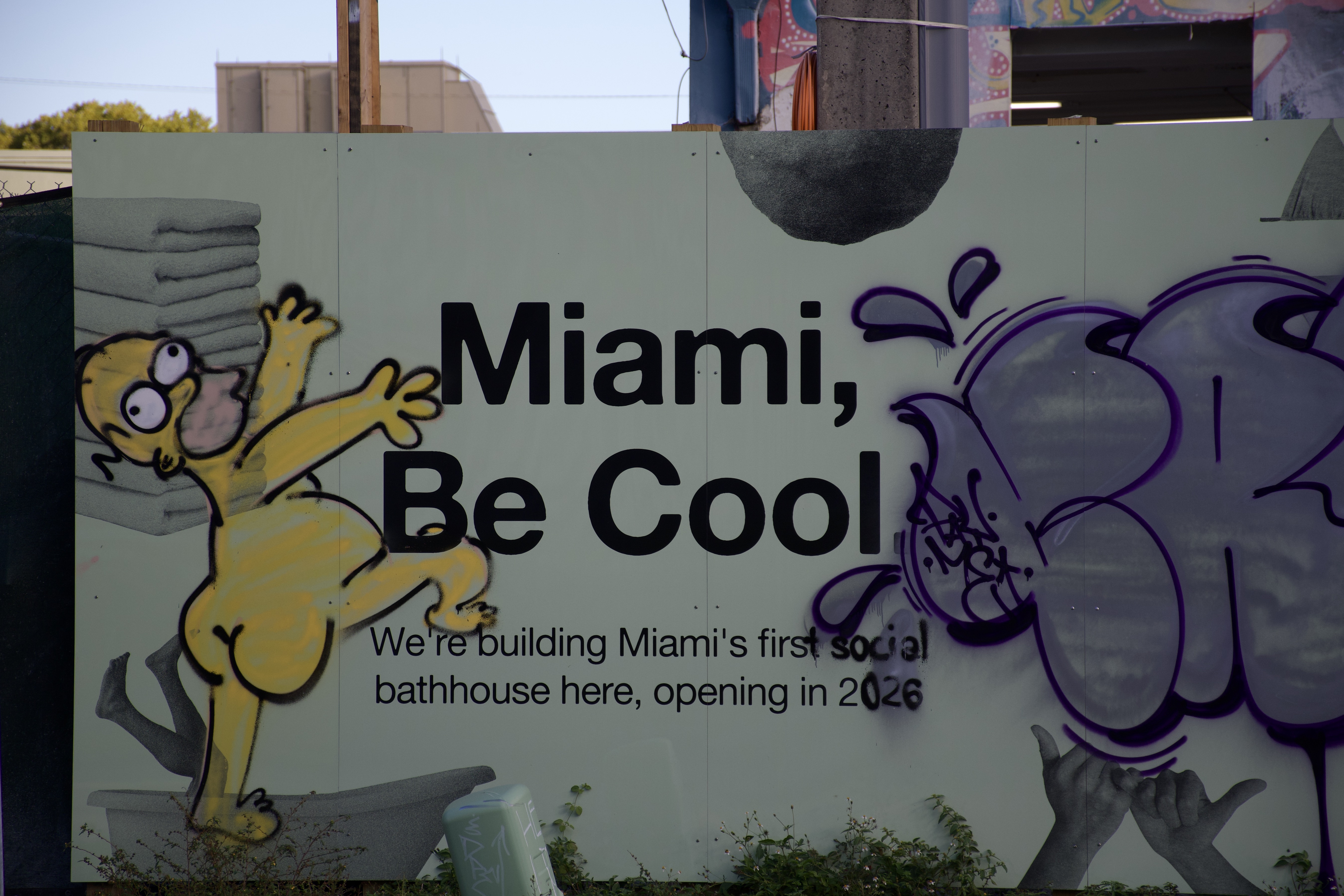
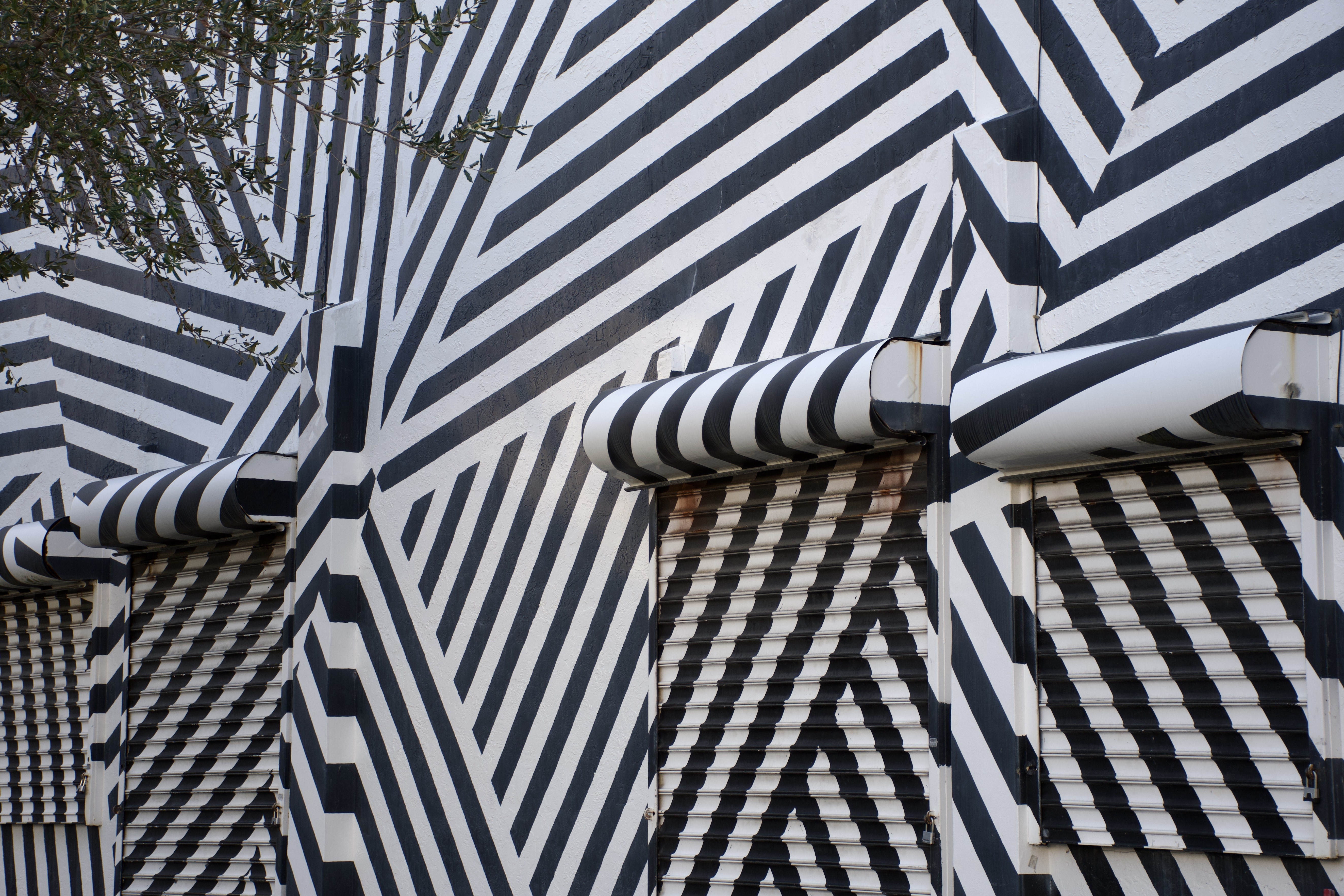
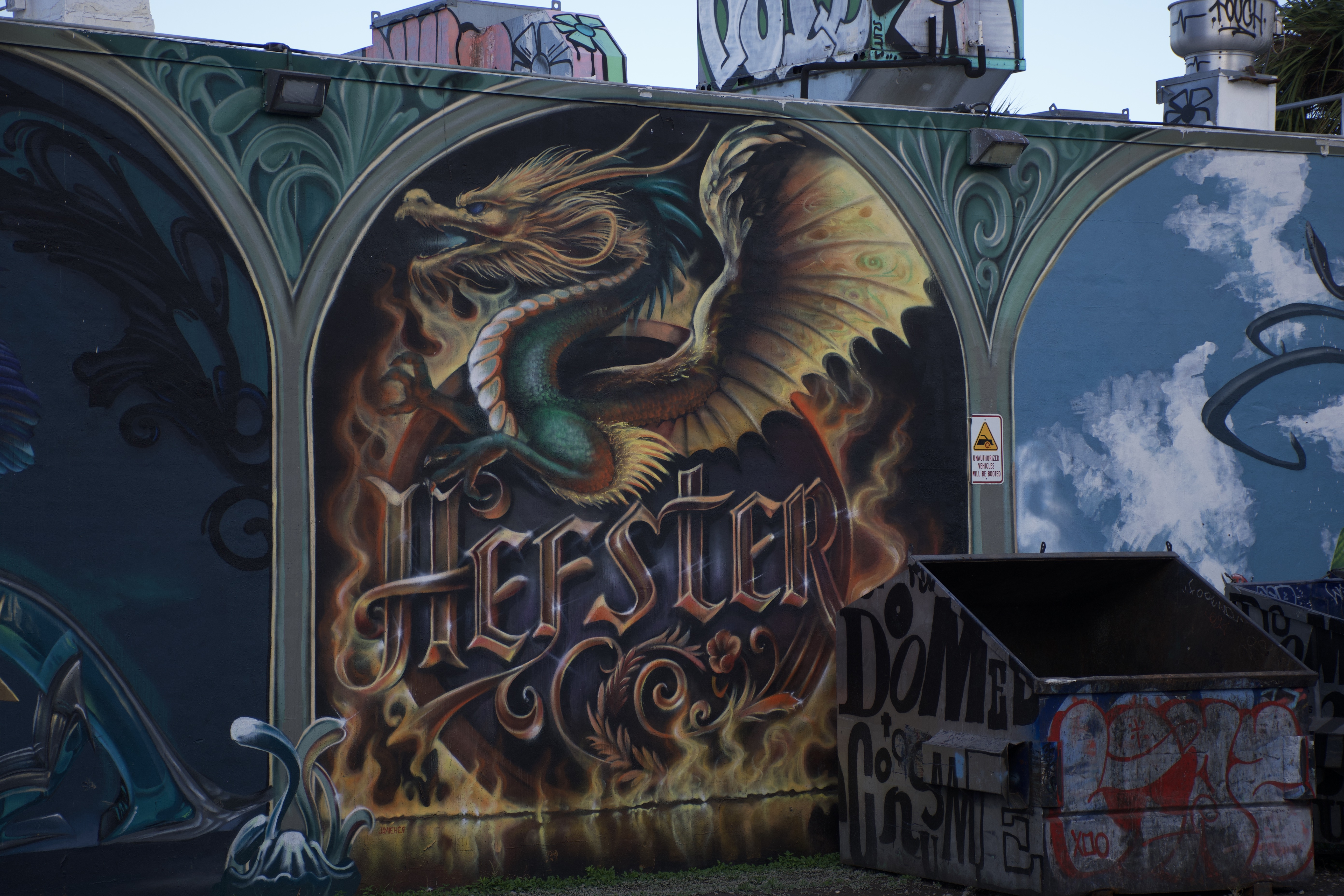
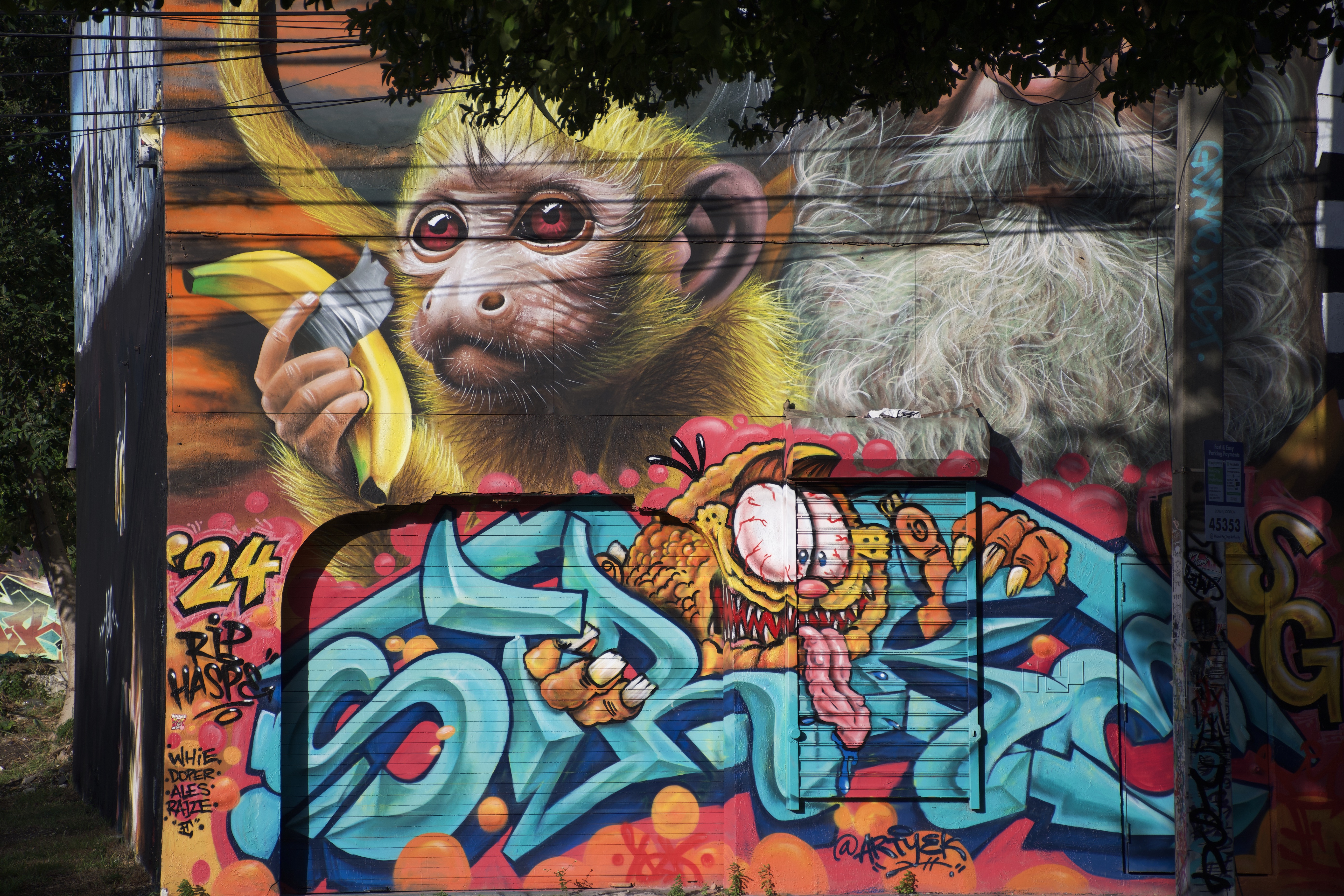
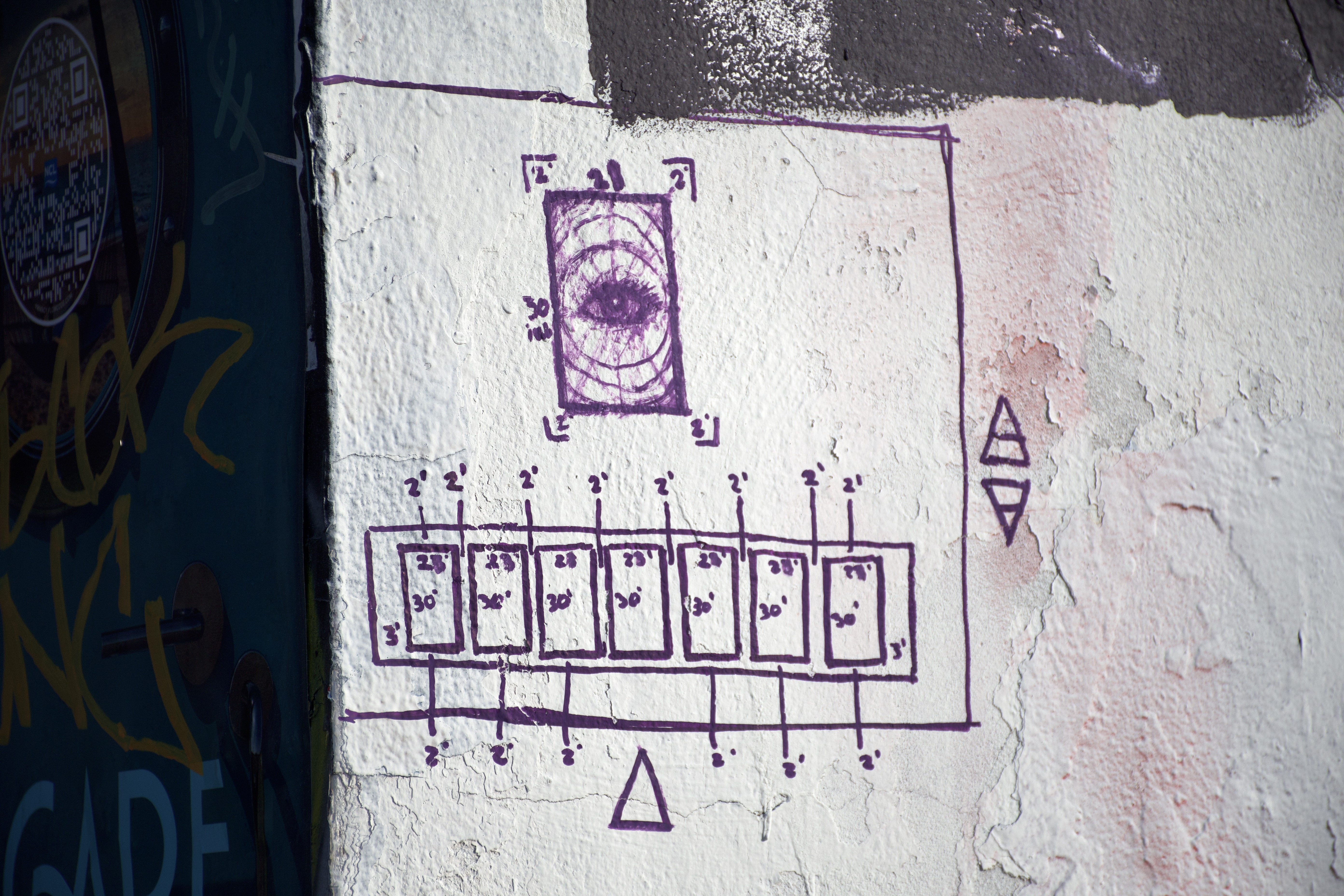
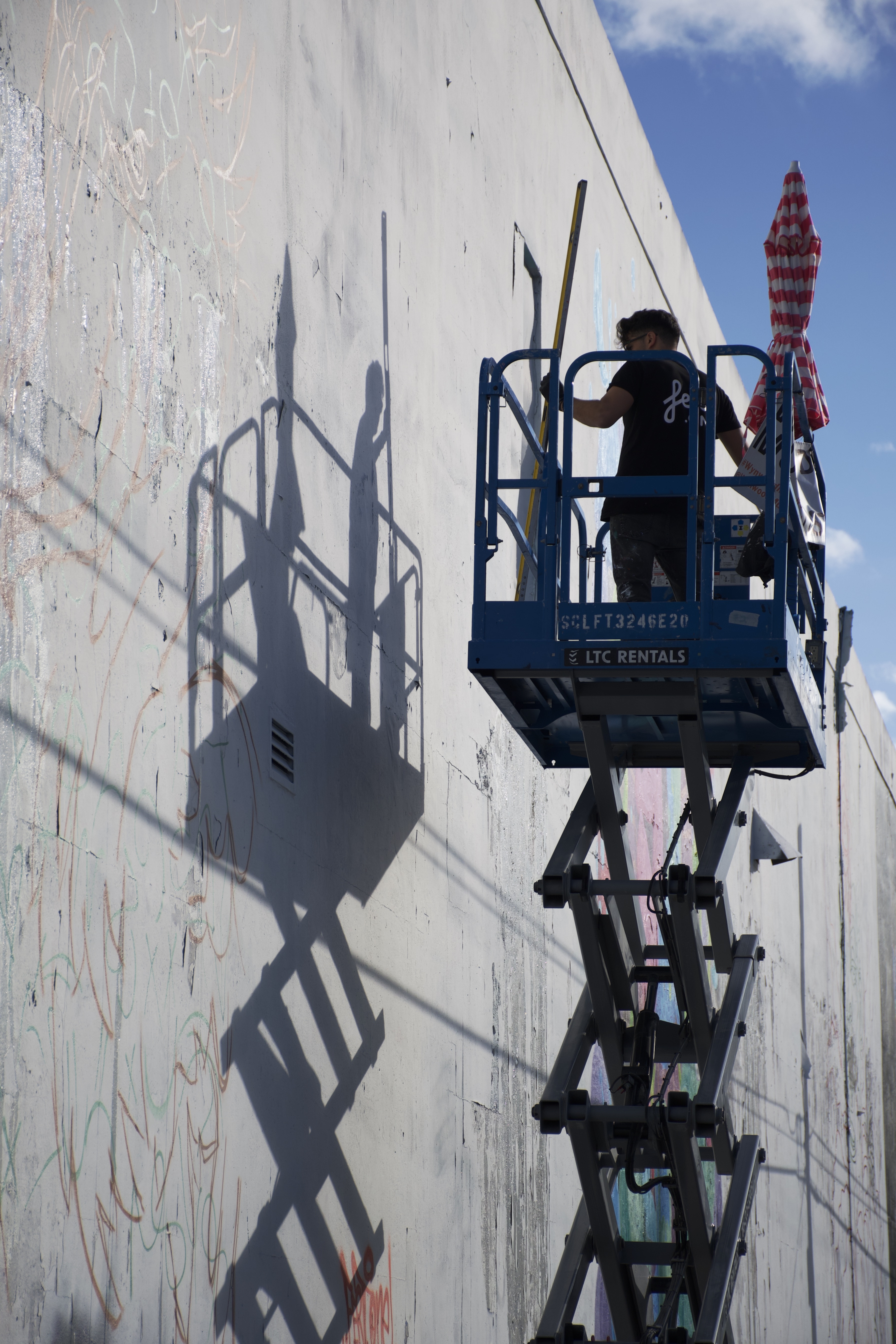
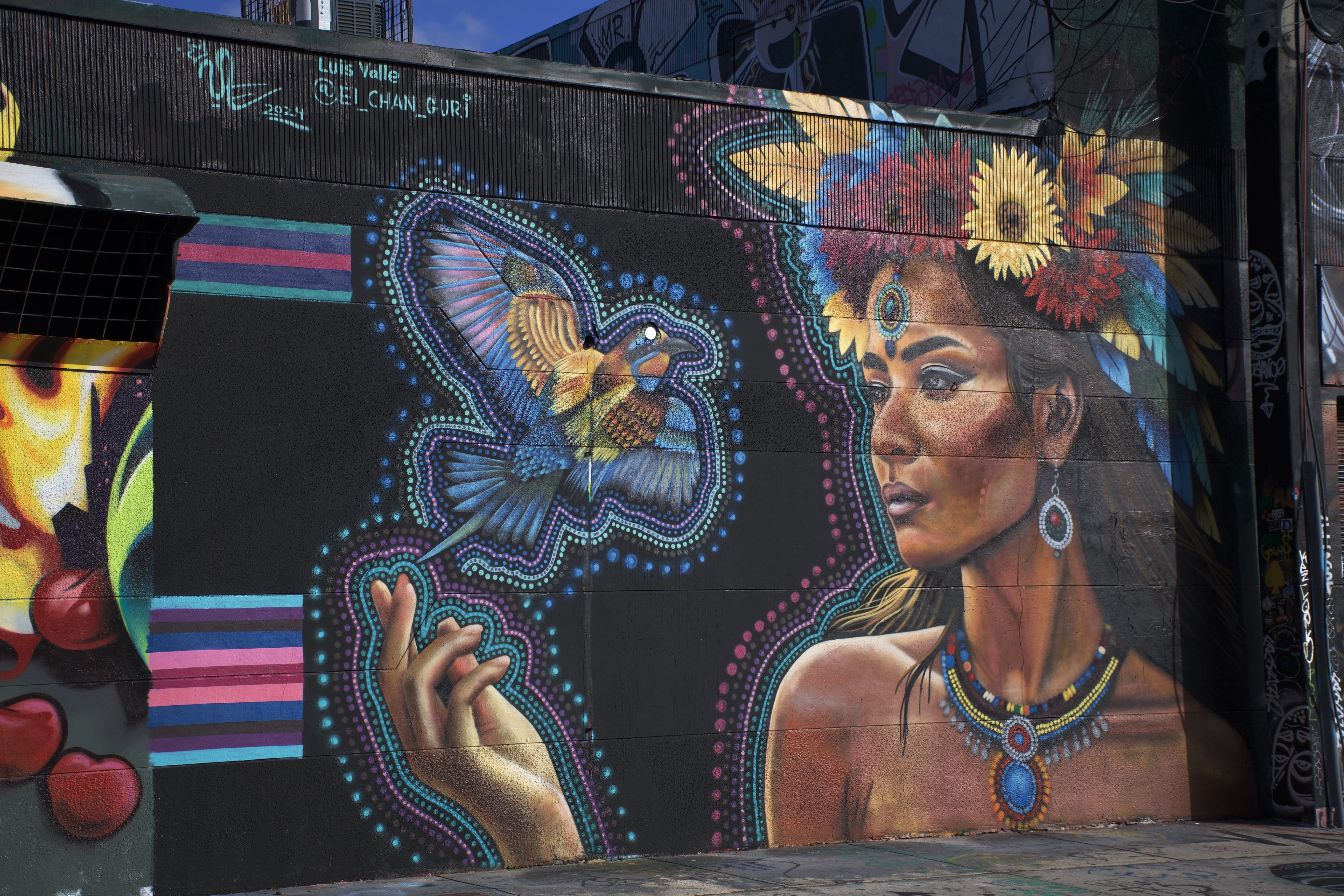
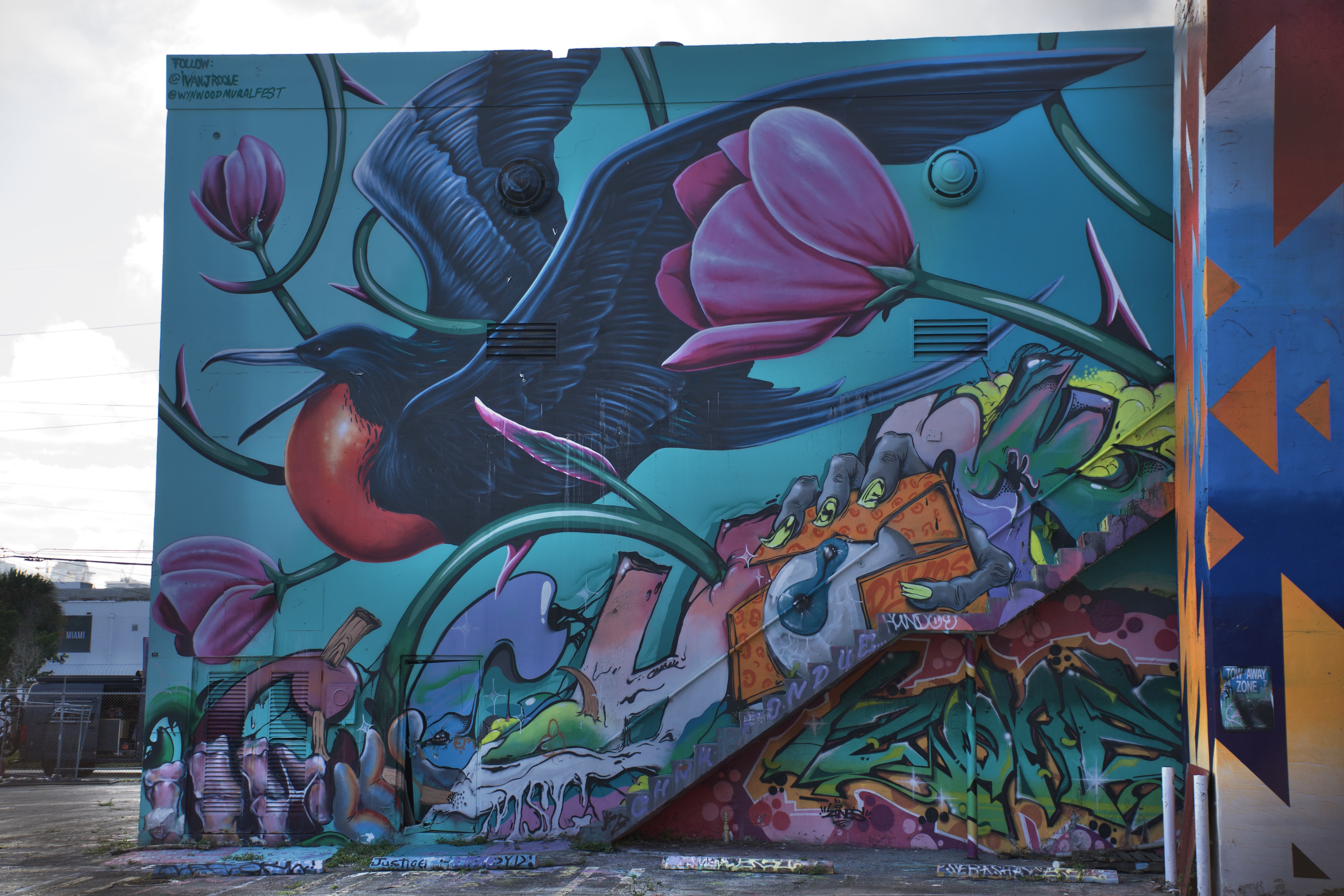
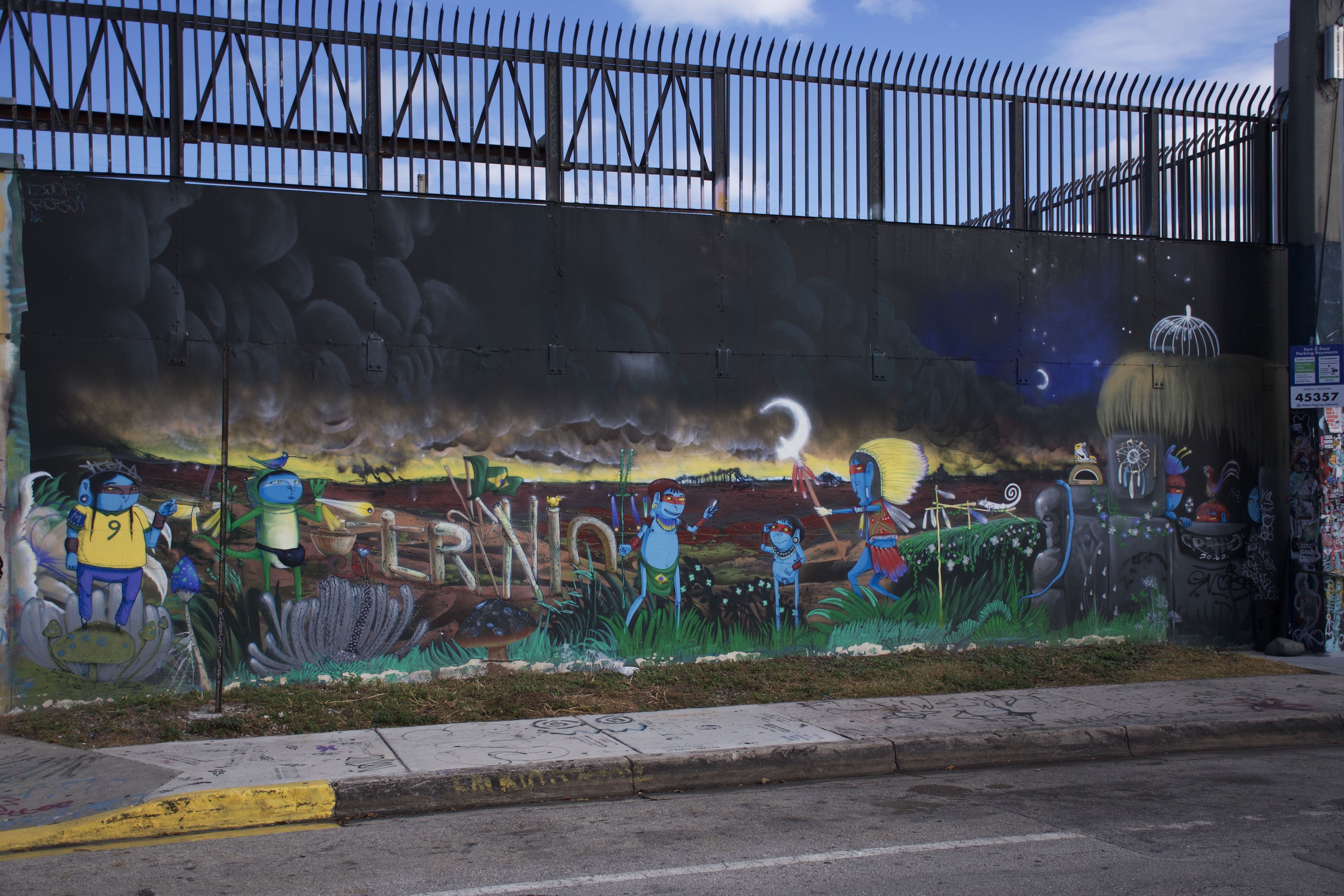
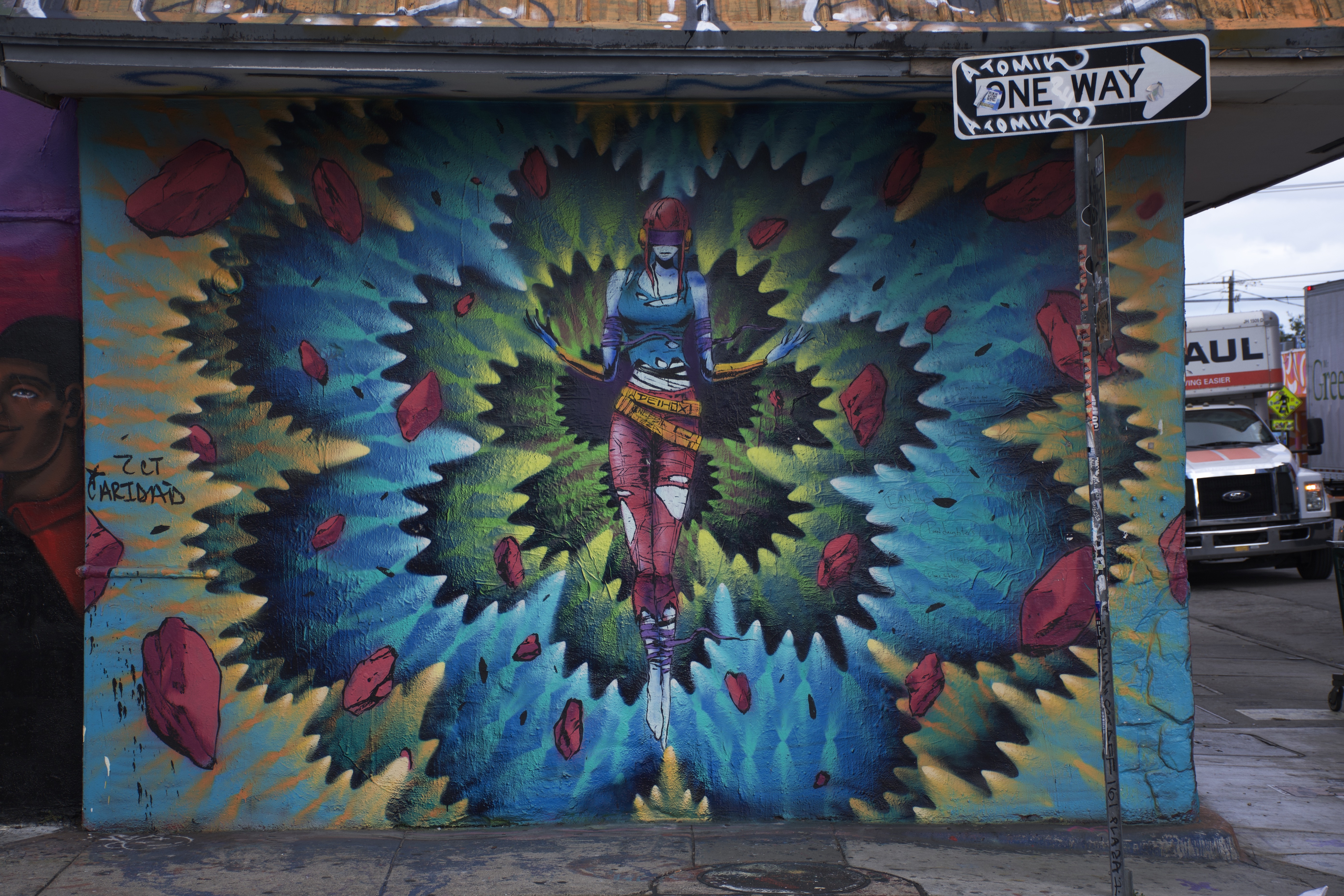
This month’s excursion took us to the Wynwood neighborhood of Miami, with an emphasis on the murals and street-art, as well as watching the preparation for events associated with the upcoming Art Basel festival.
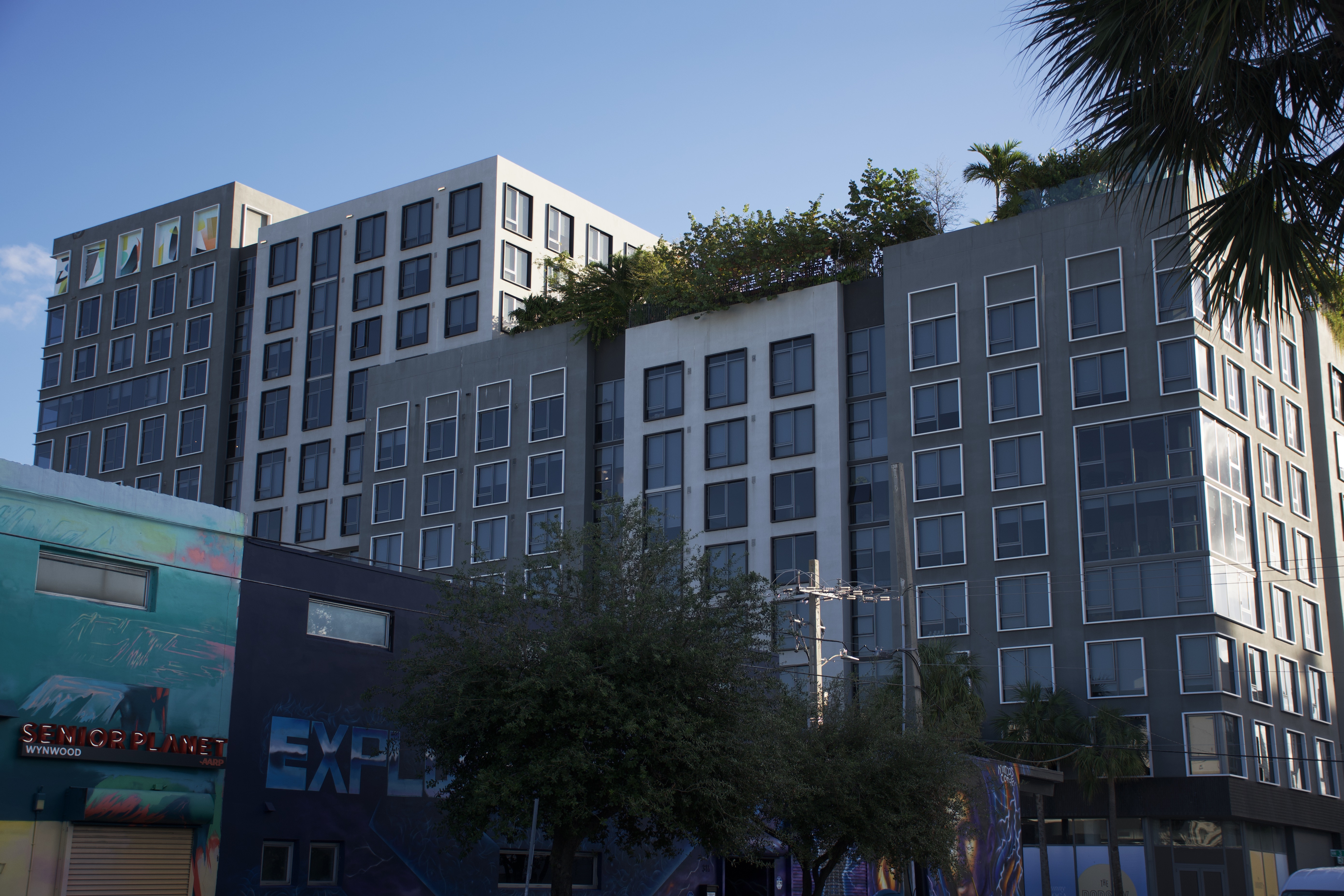

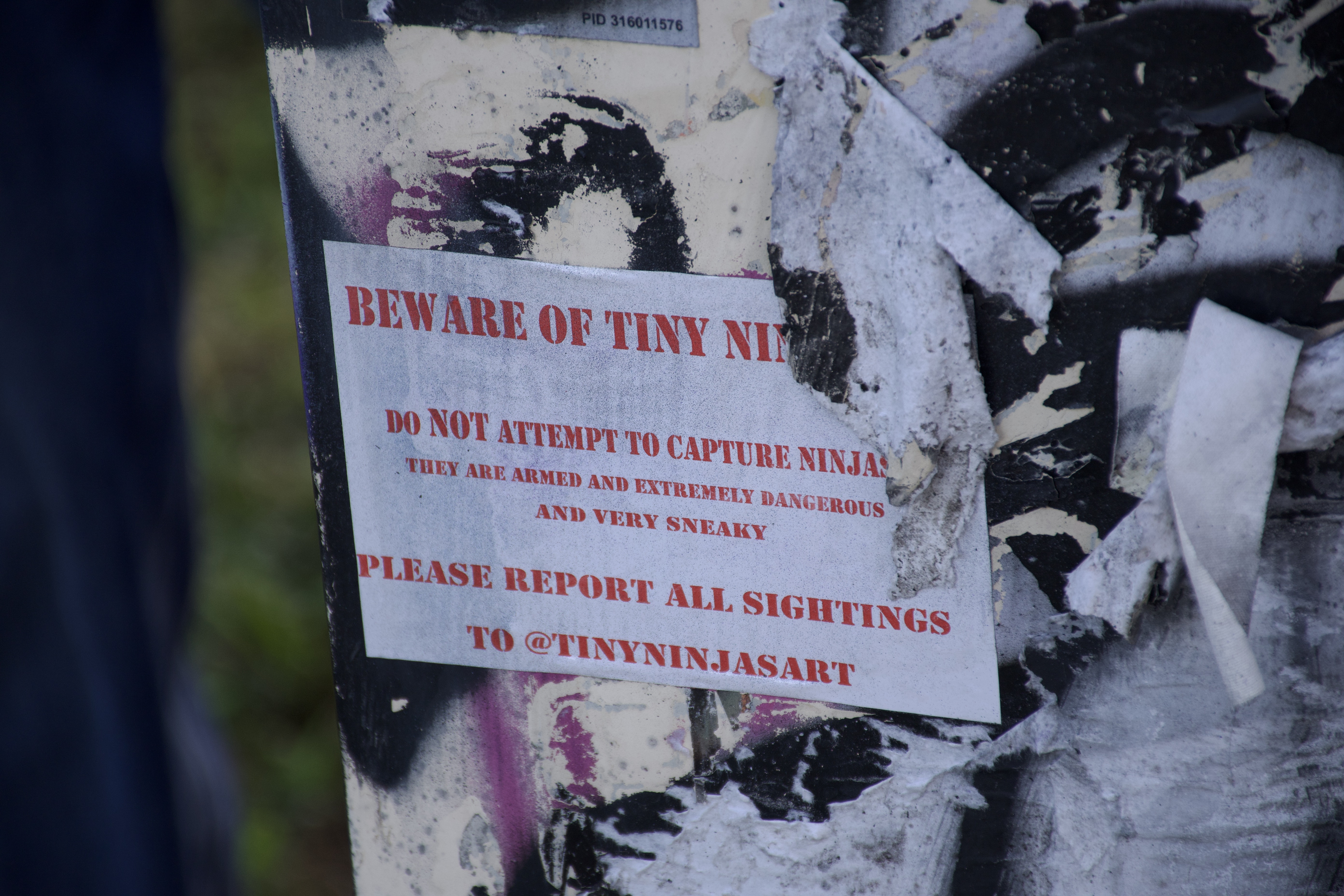
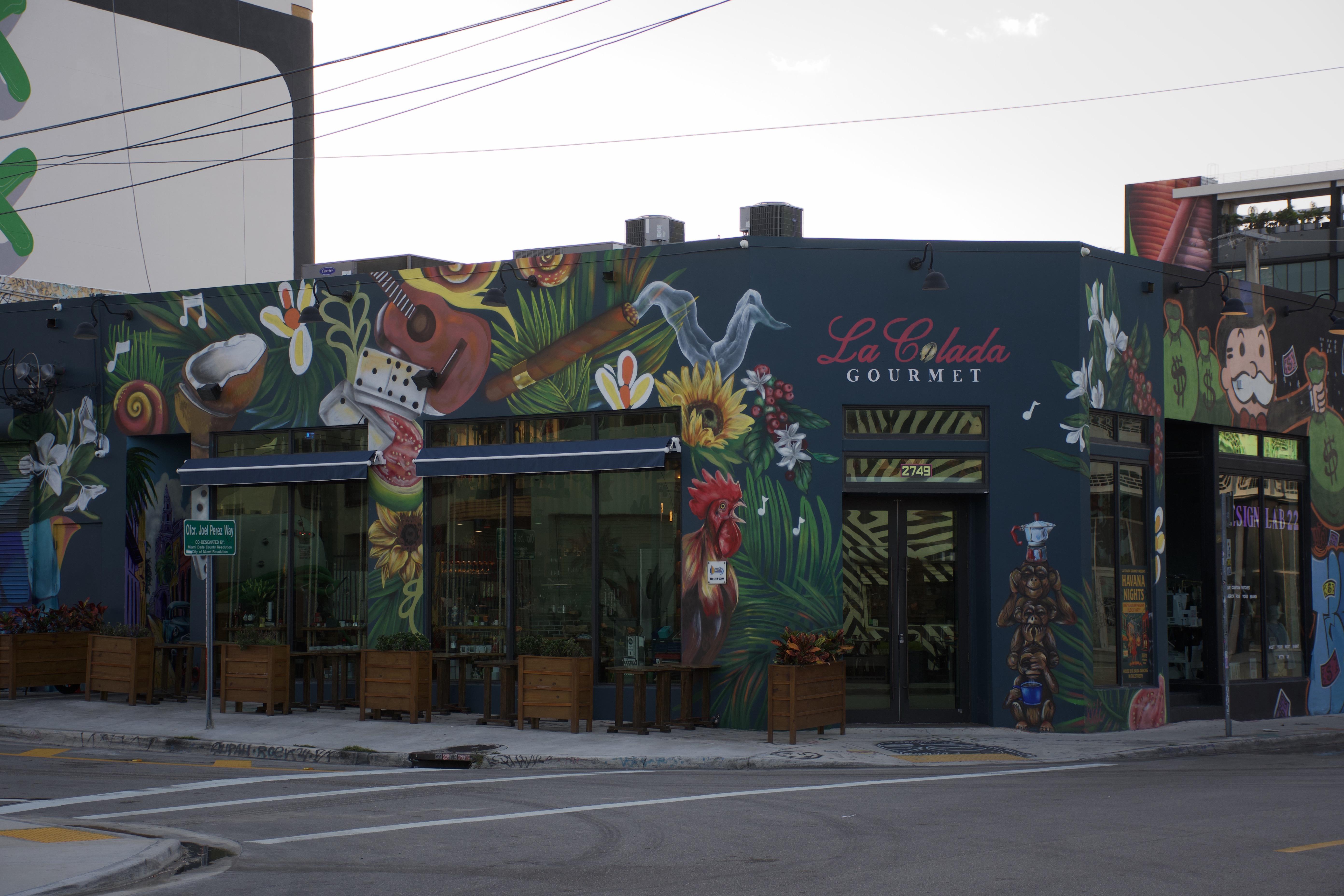
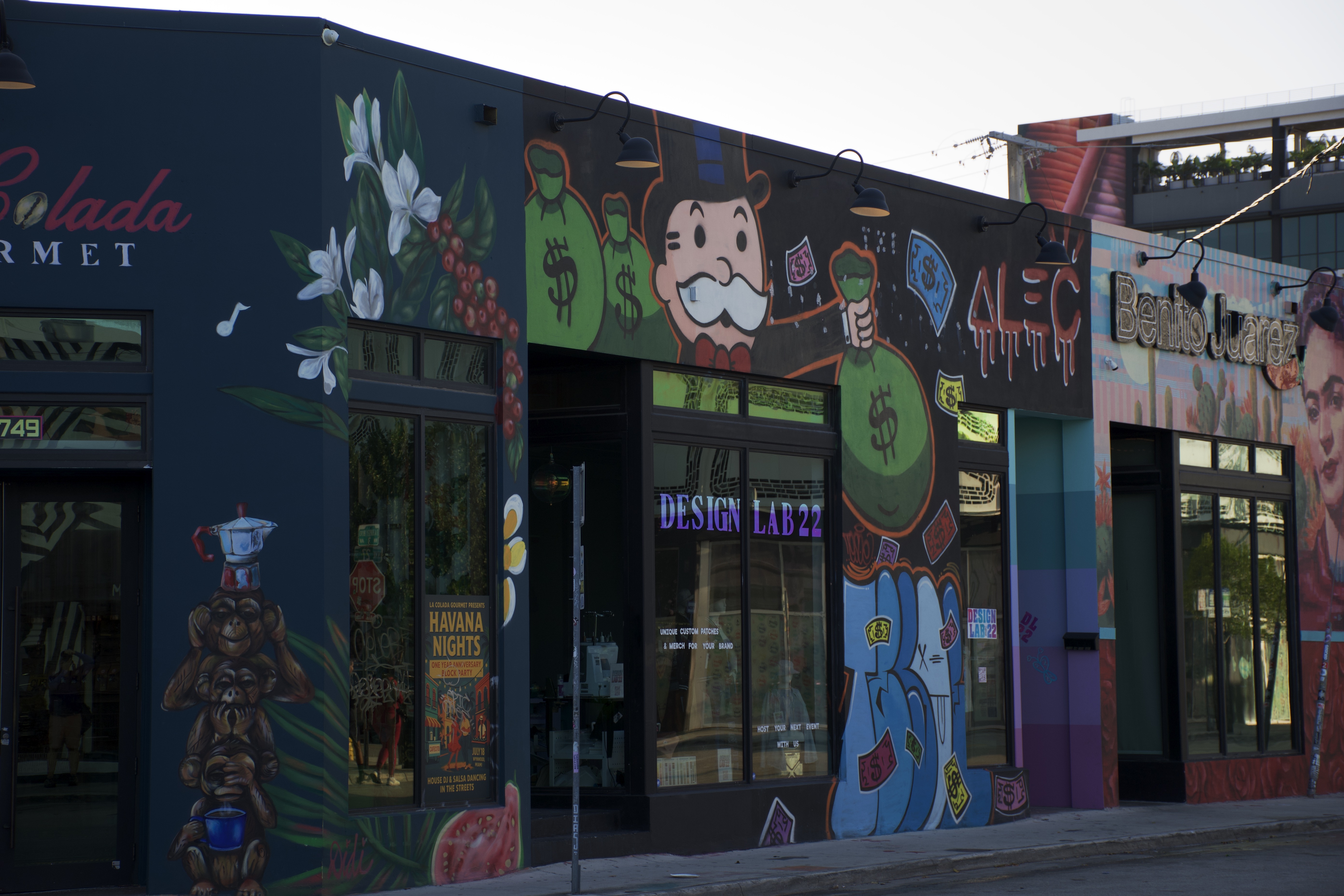
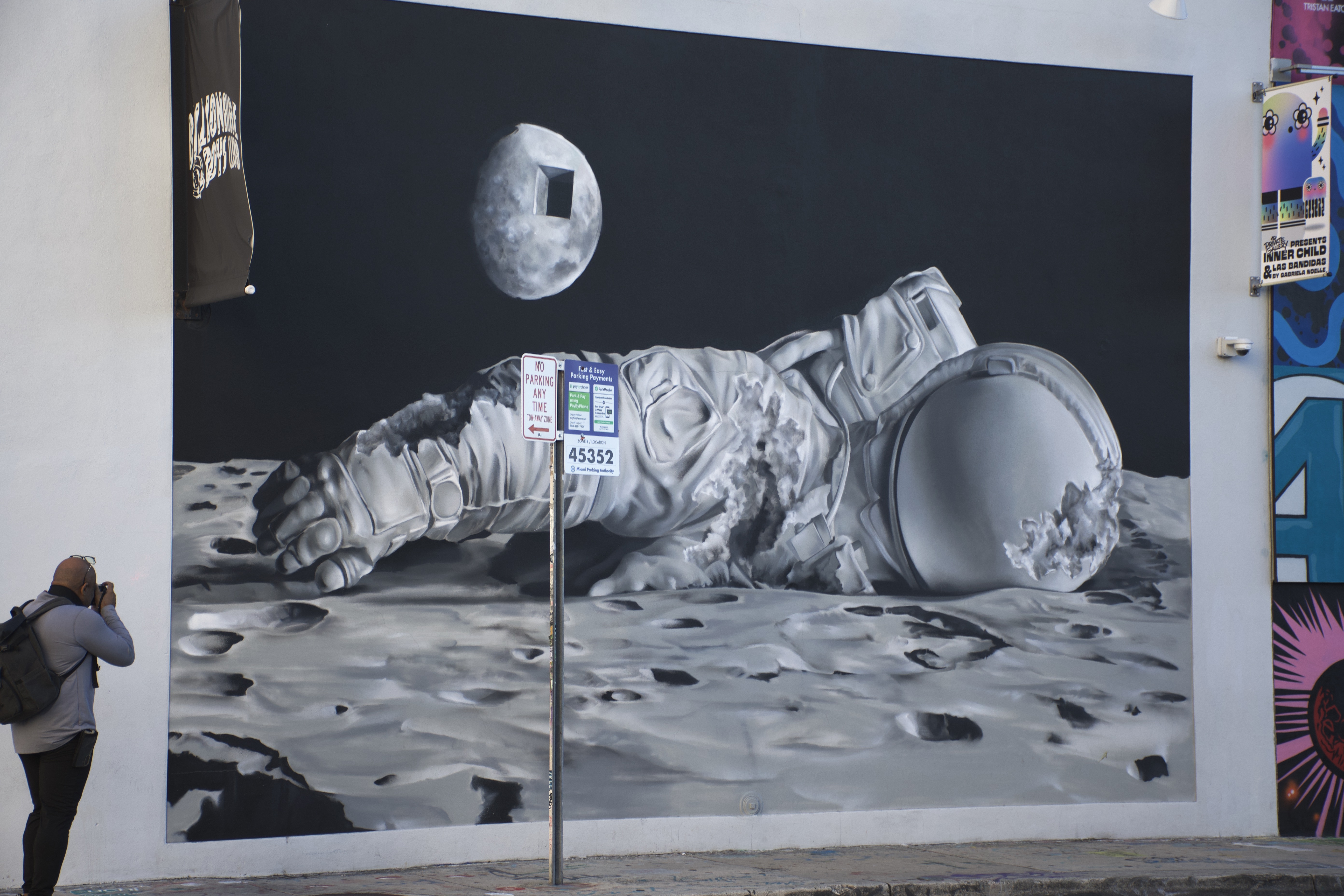
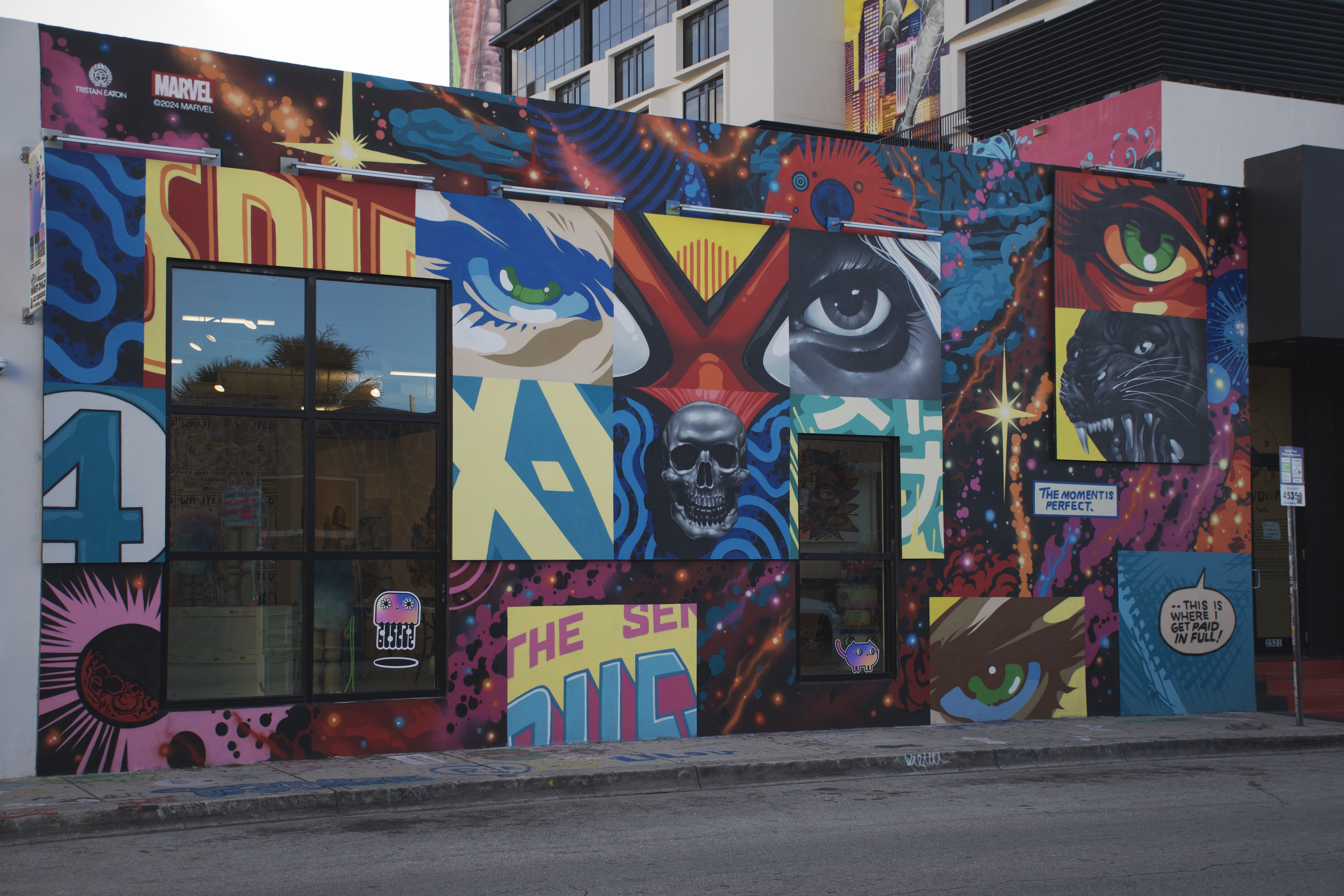
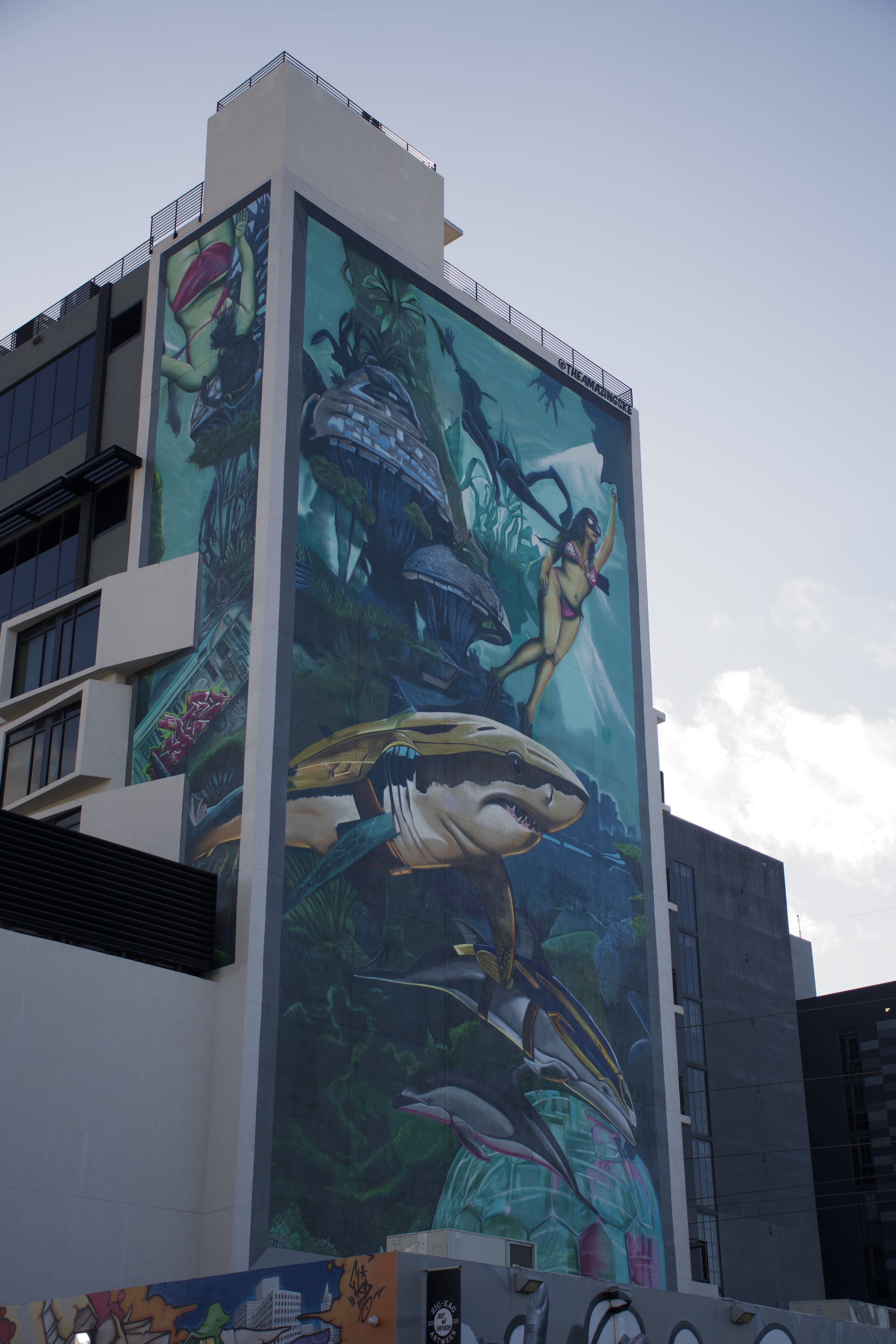
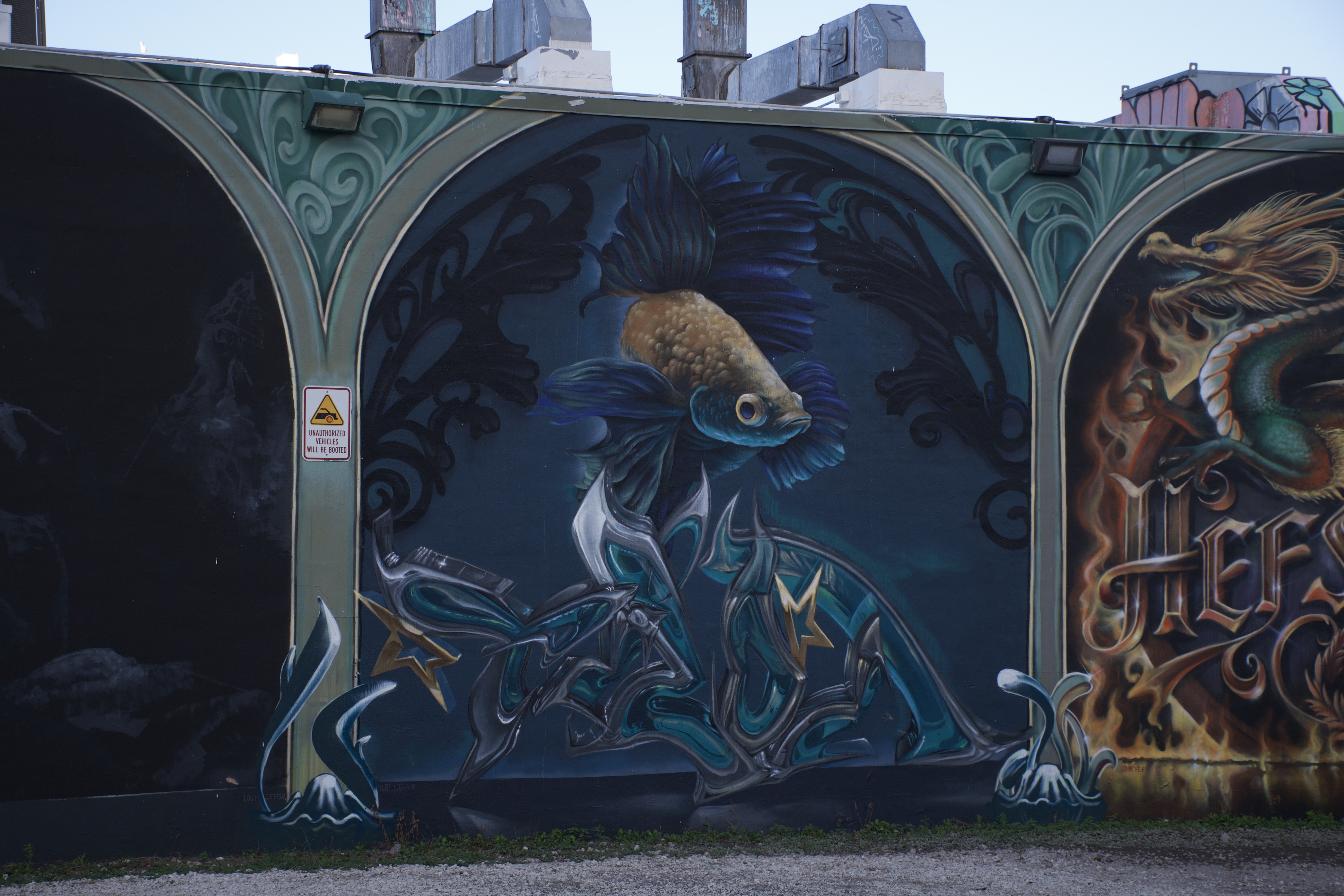


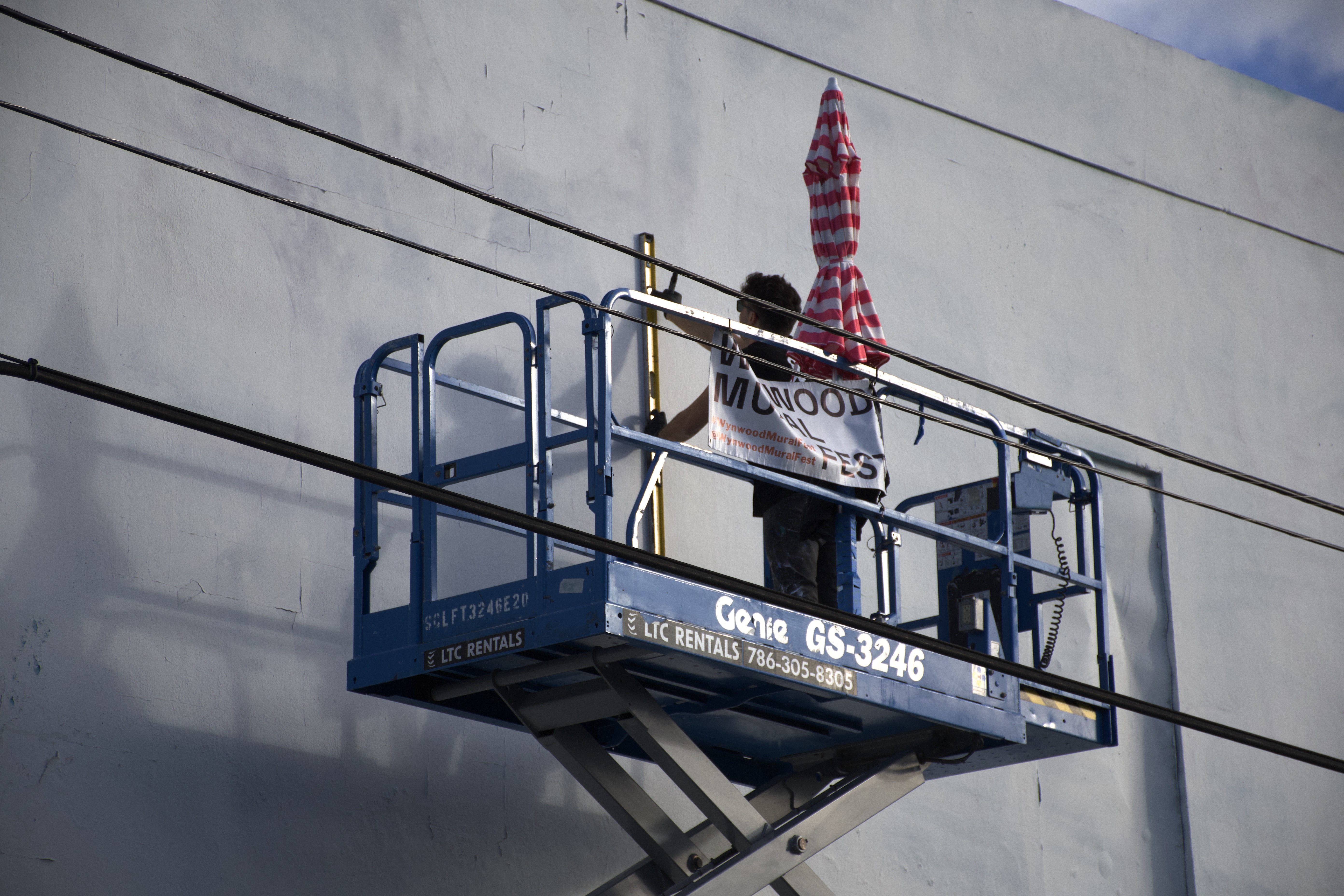

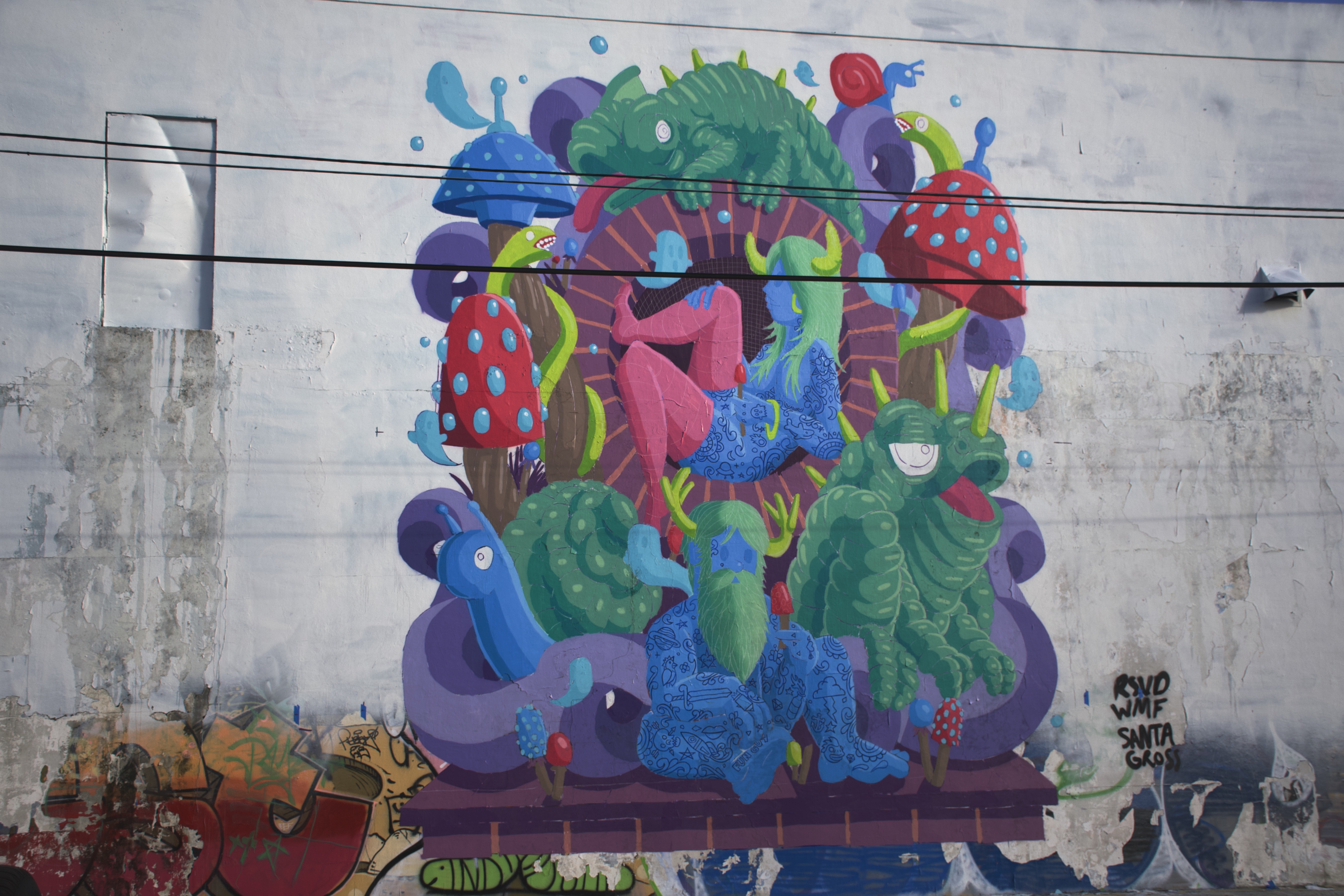
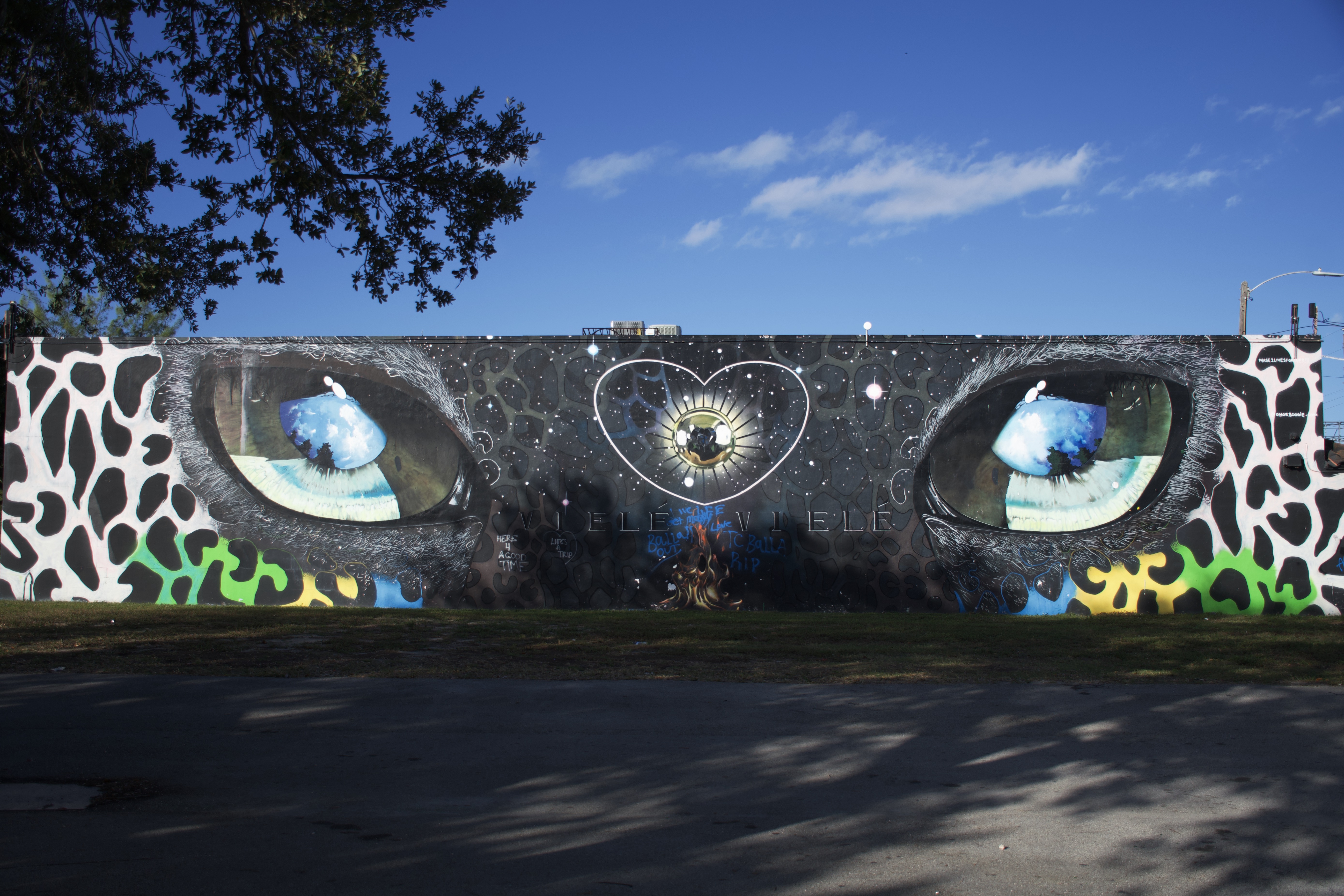
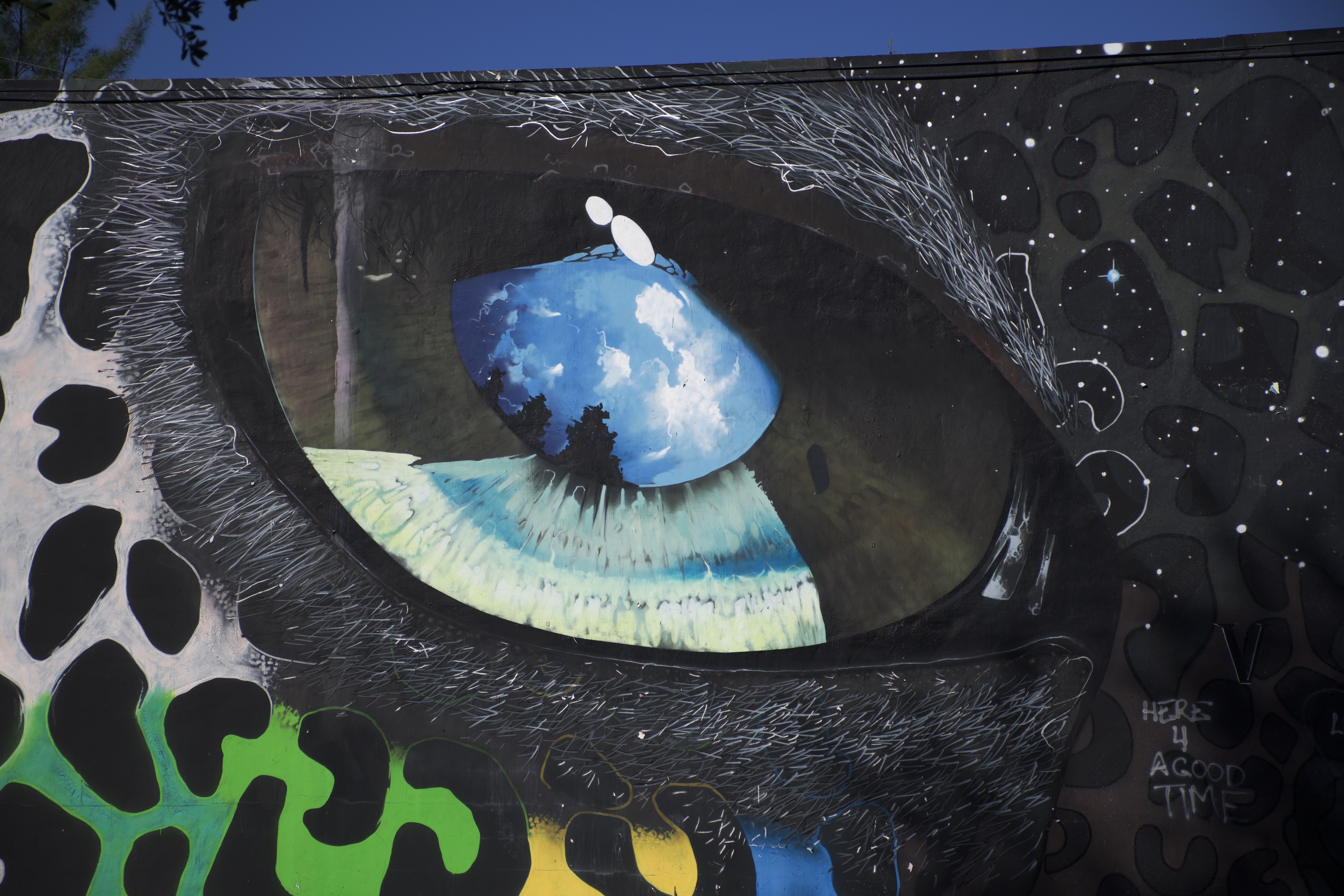
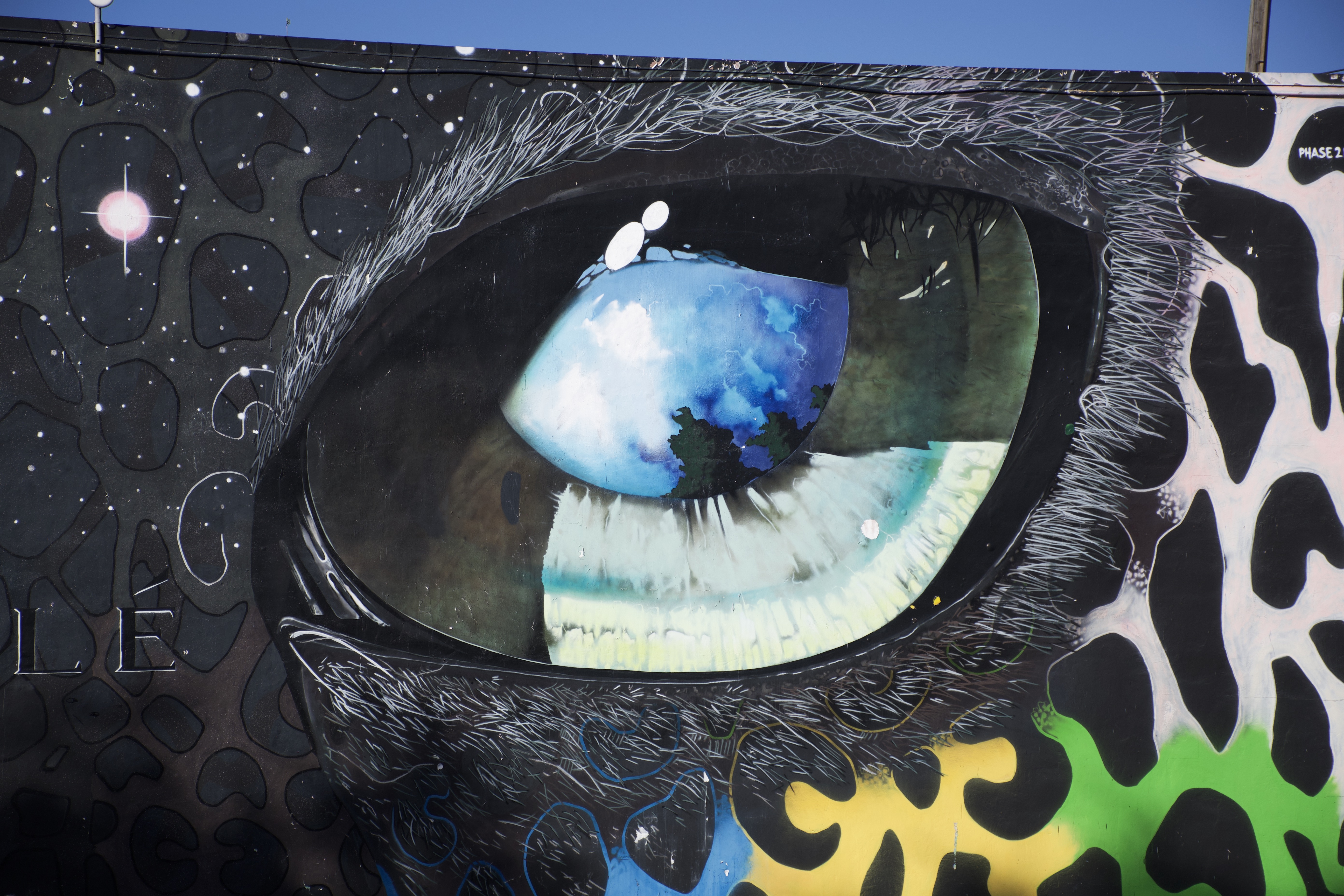
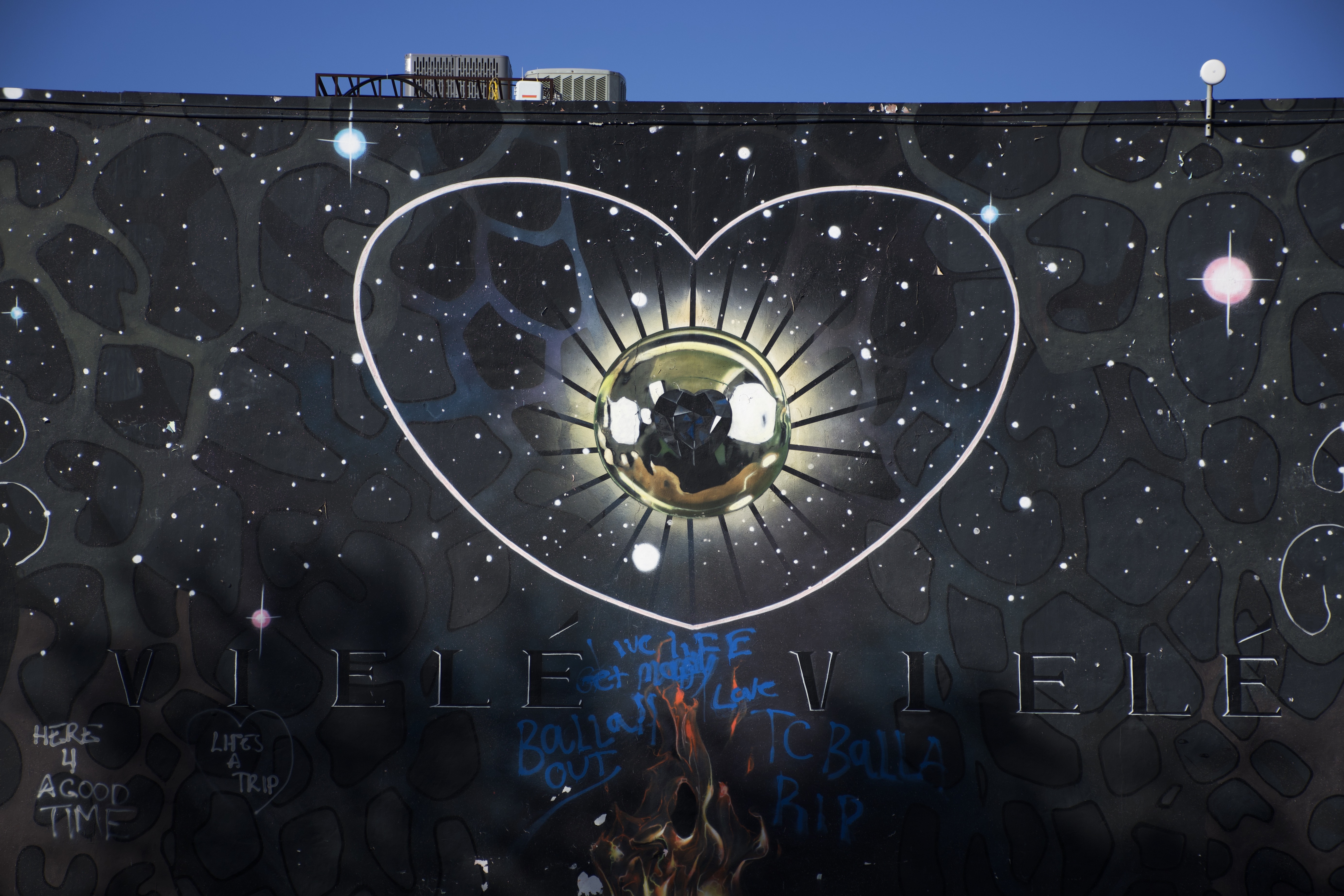
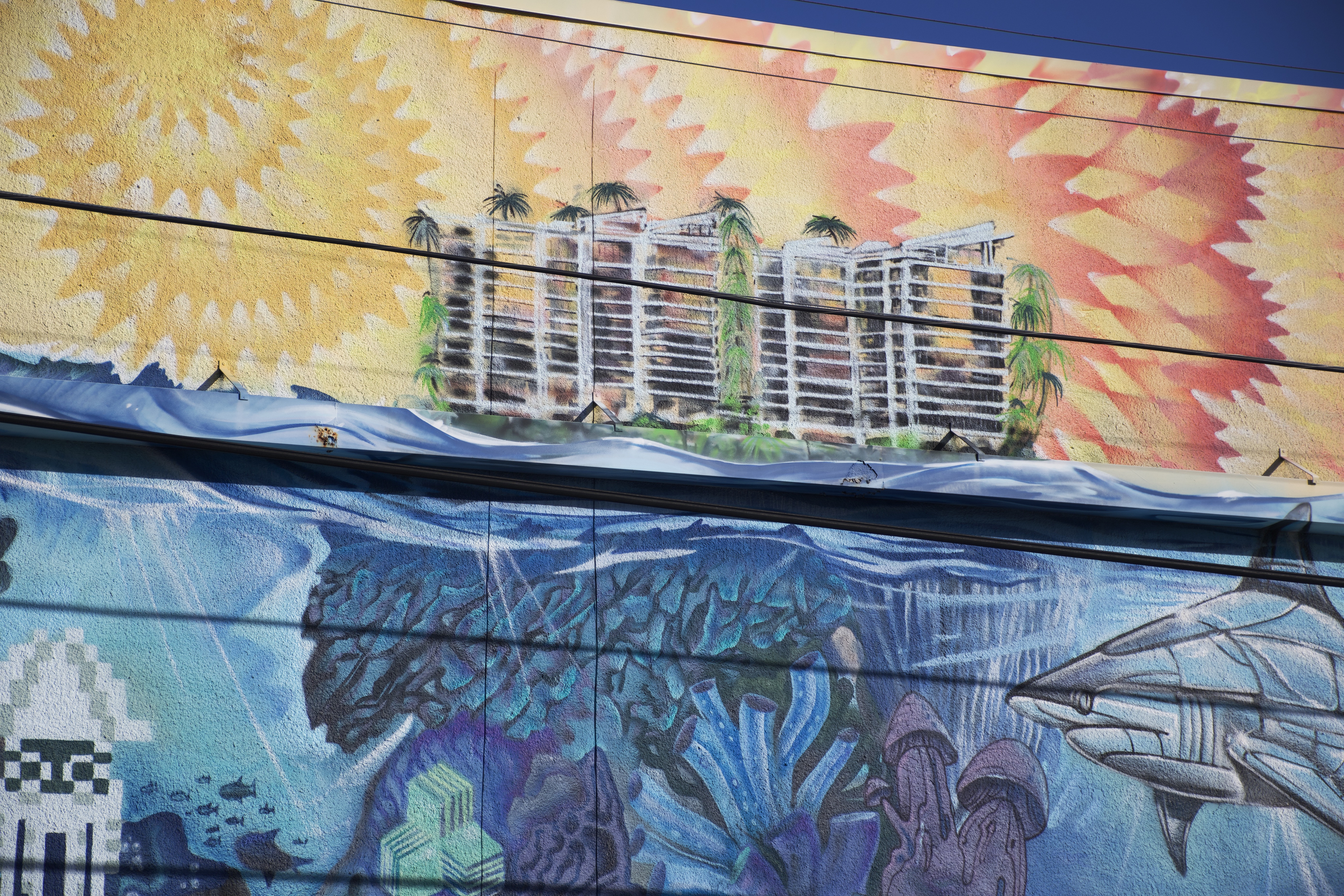
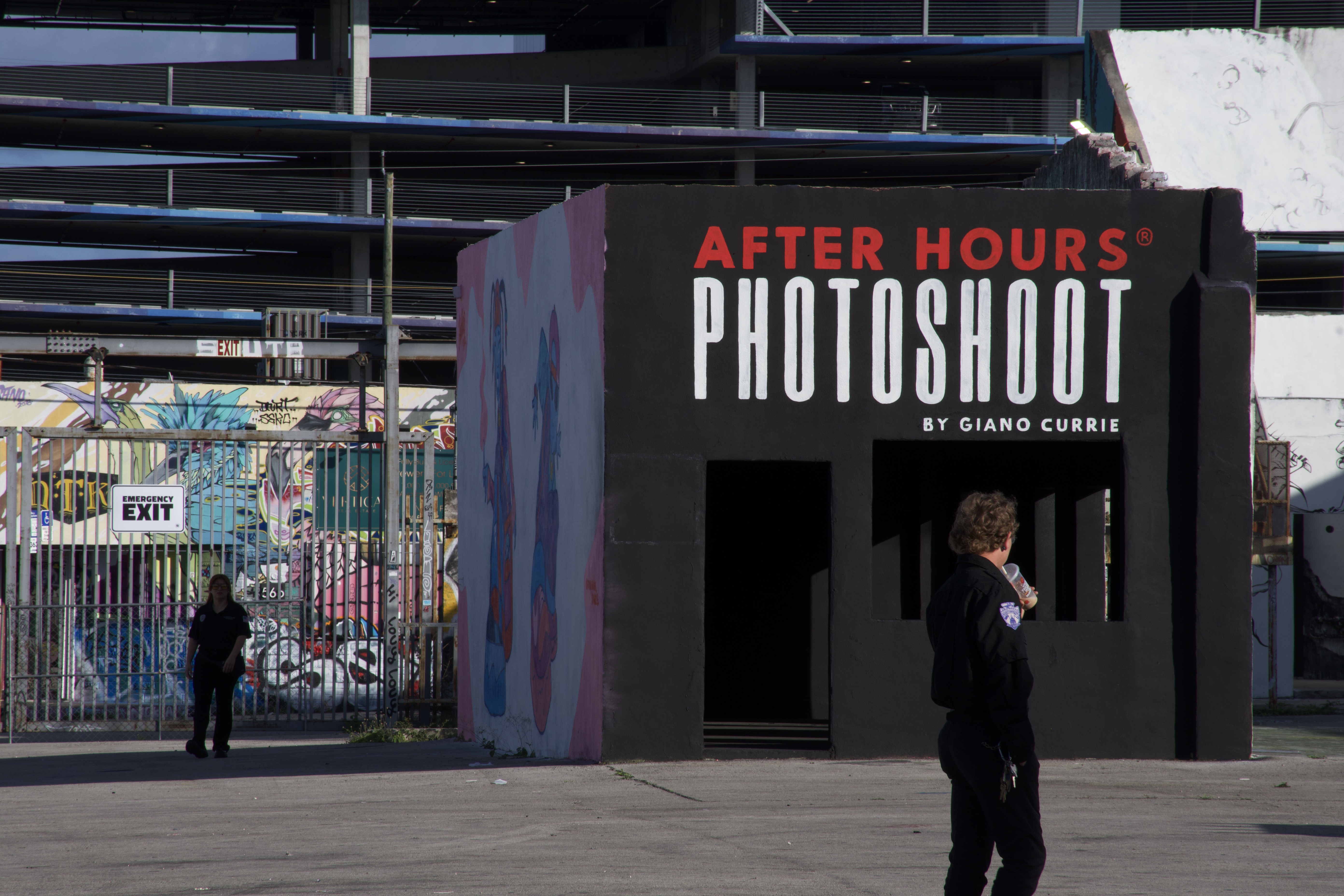

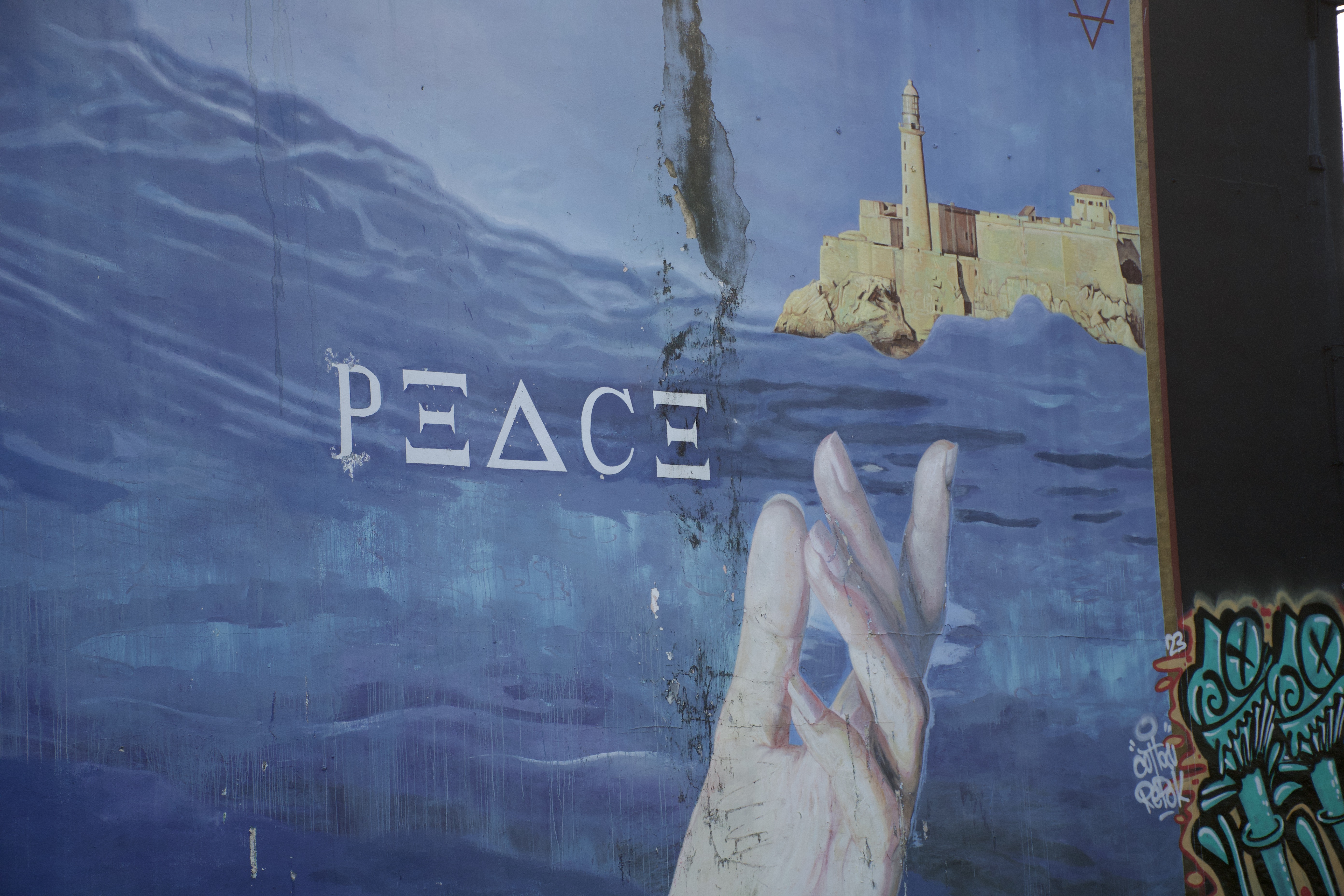



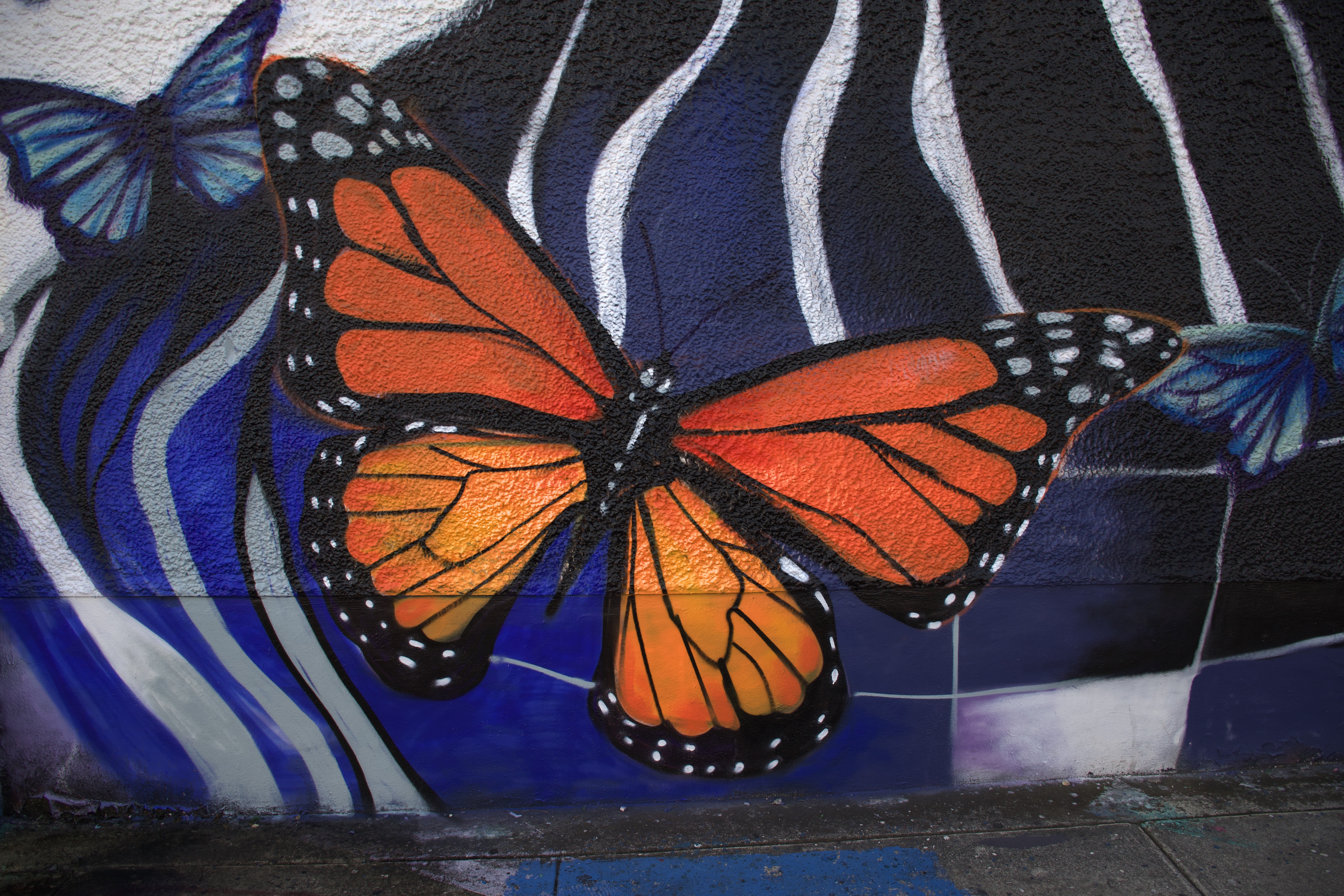
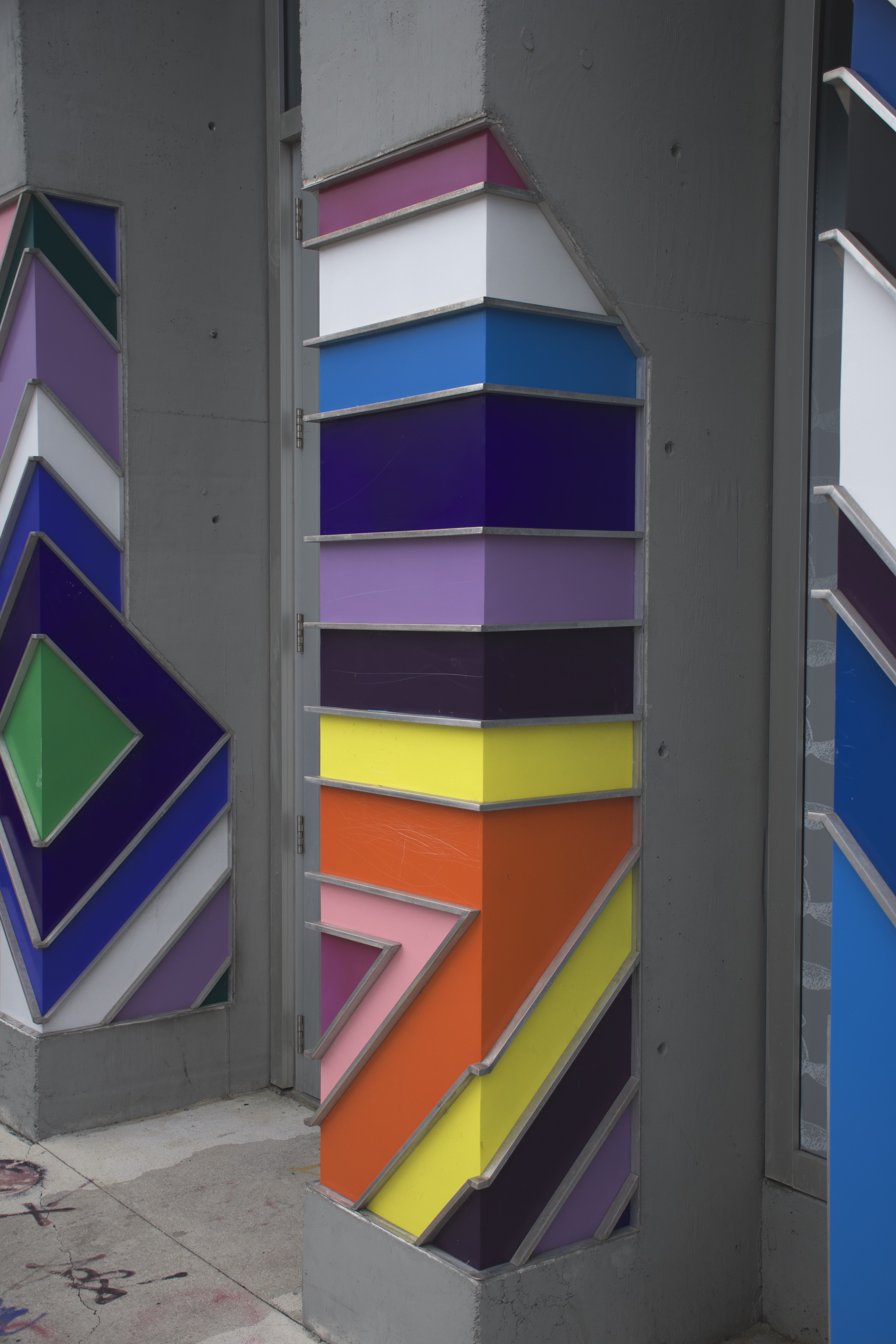
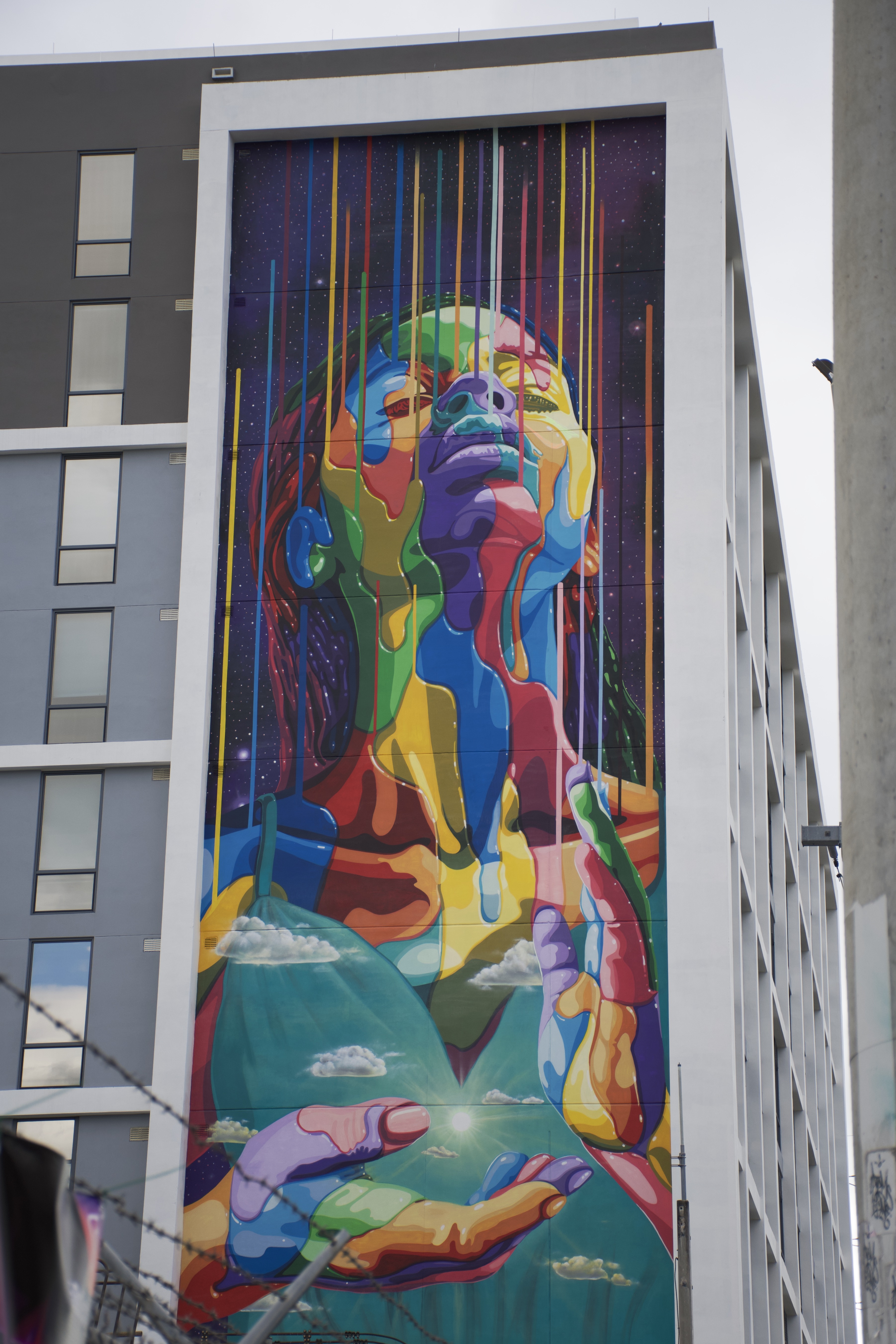
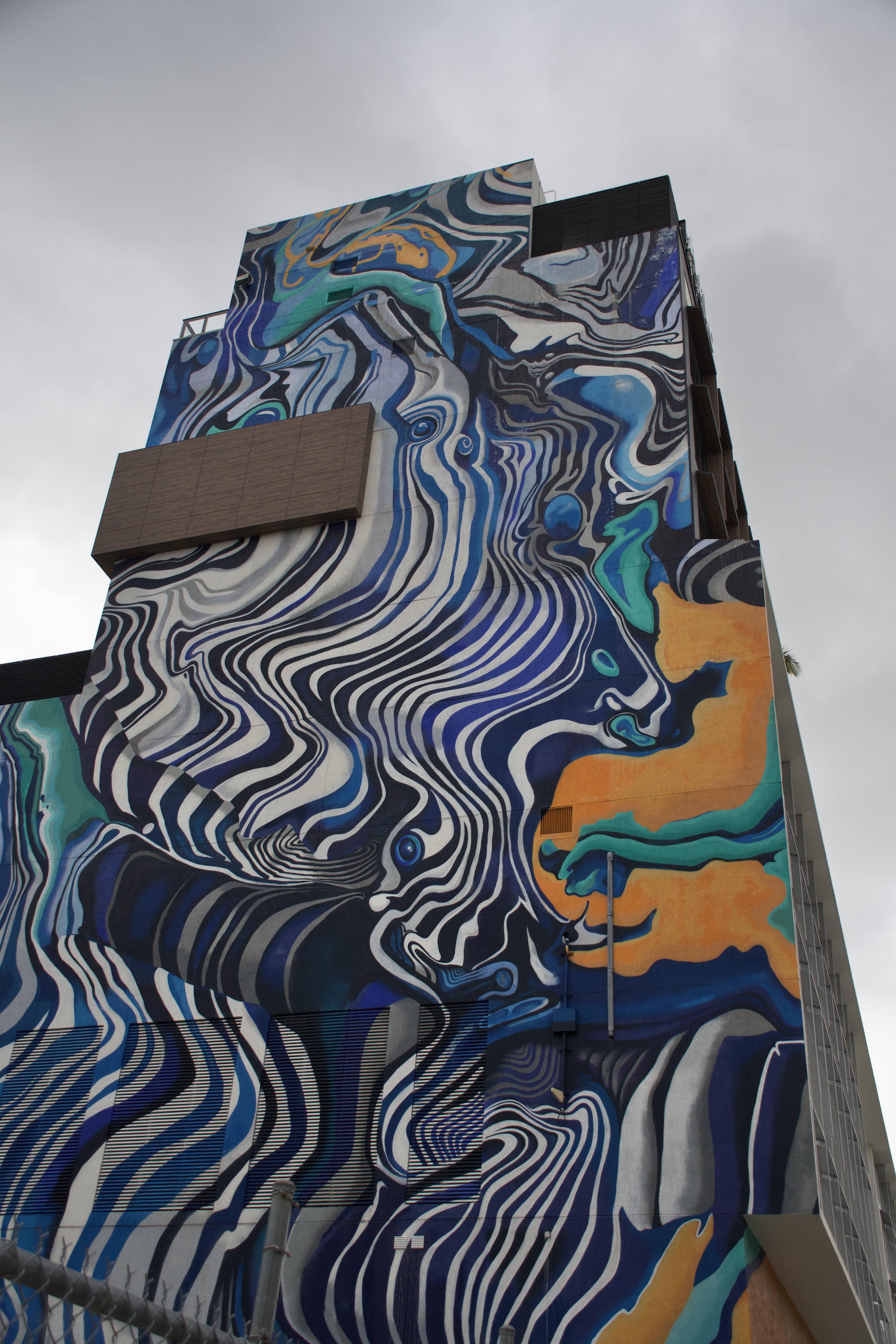
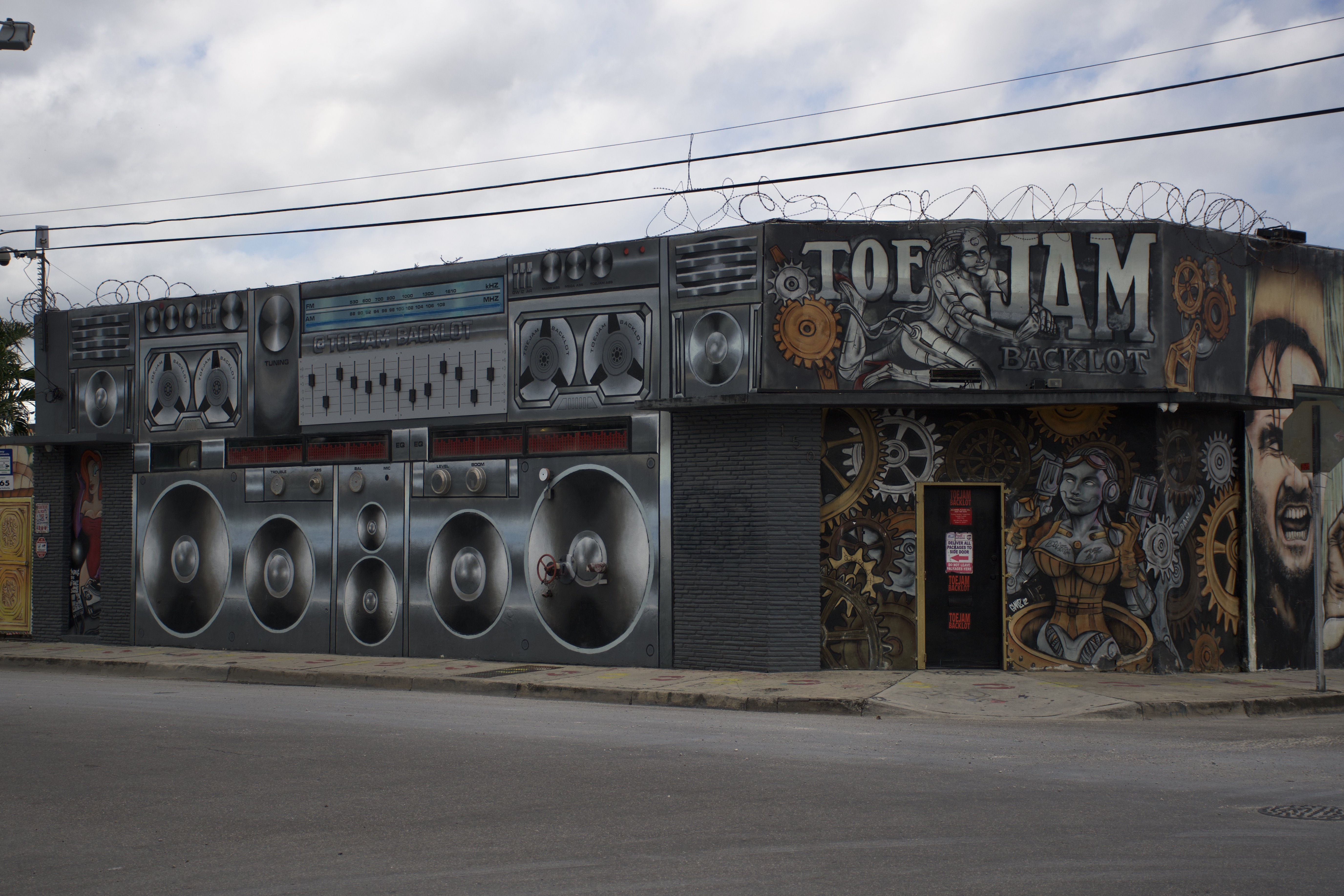
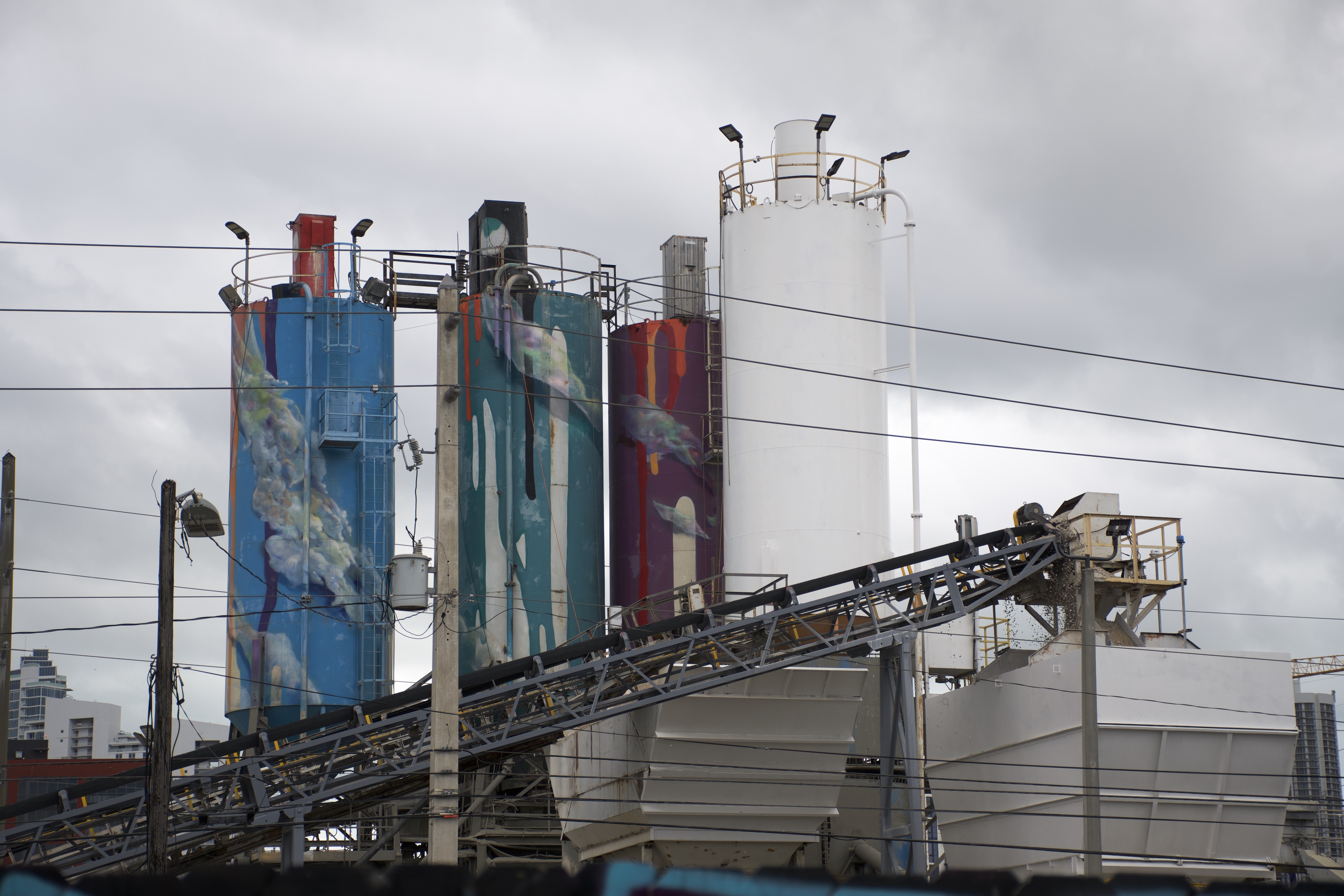
Miami Photowalk 14: Downtown Miami
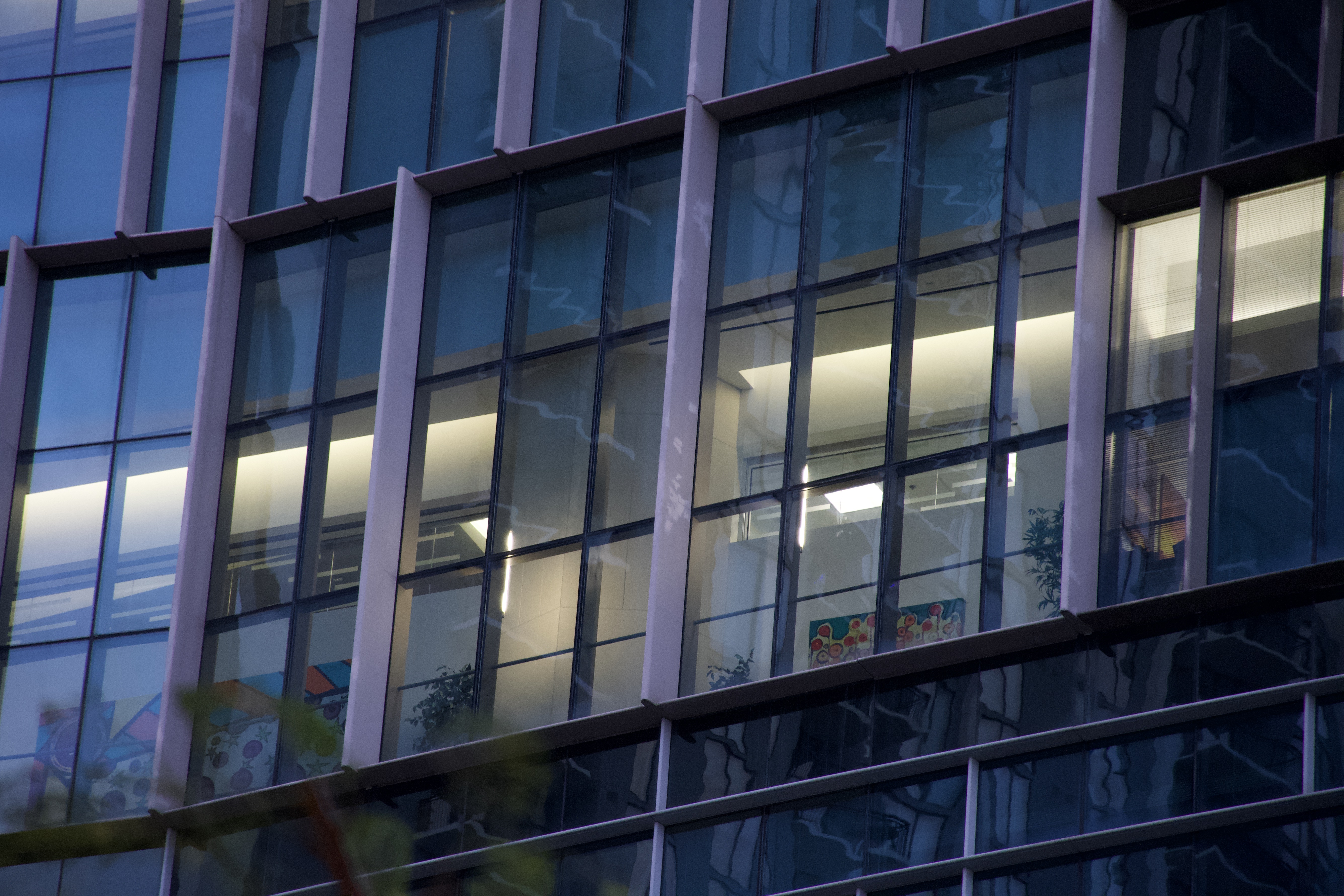
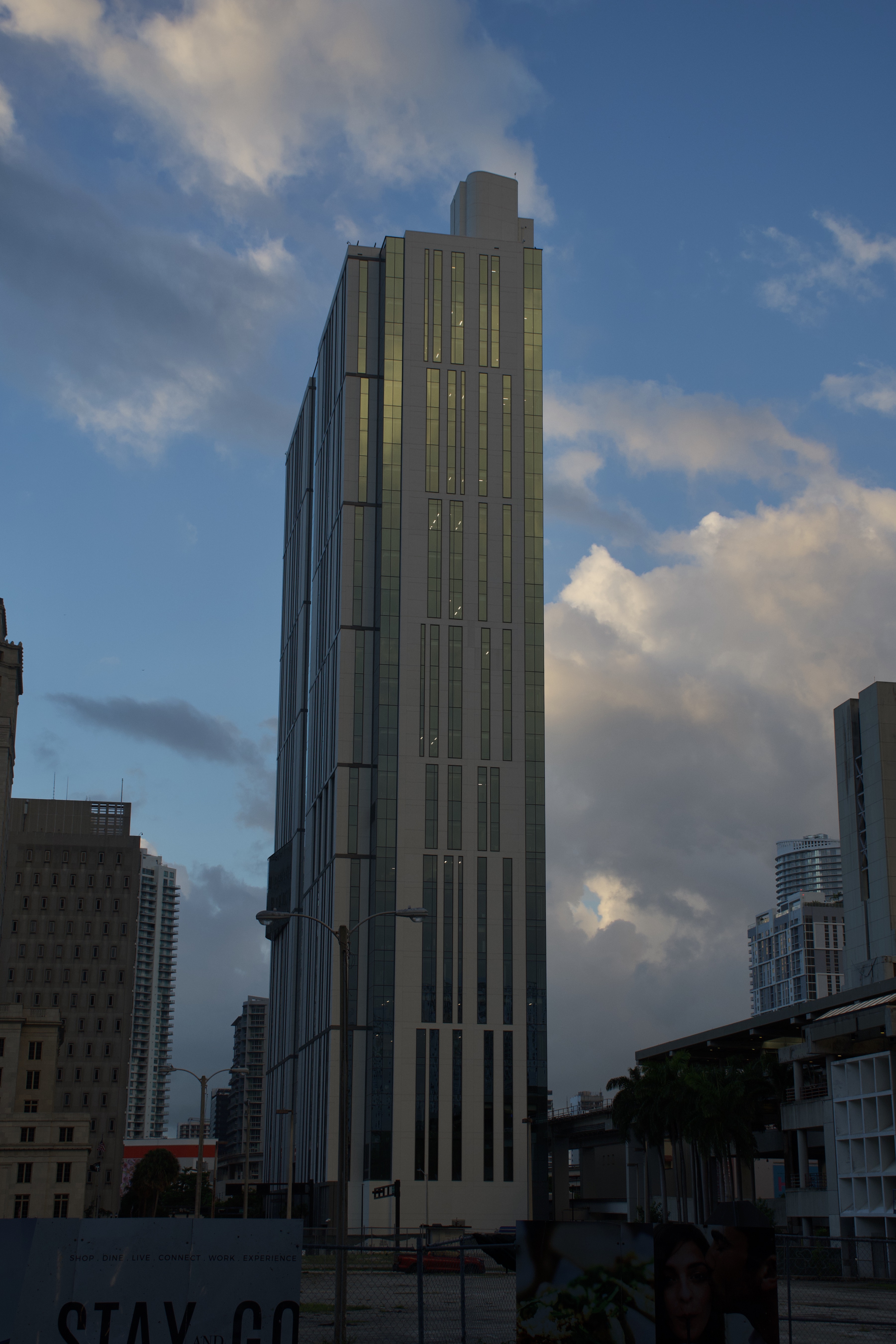
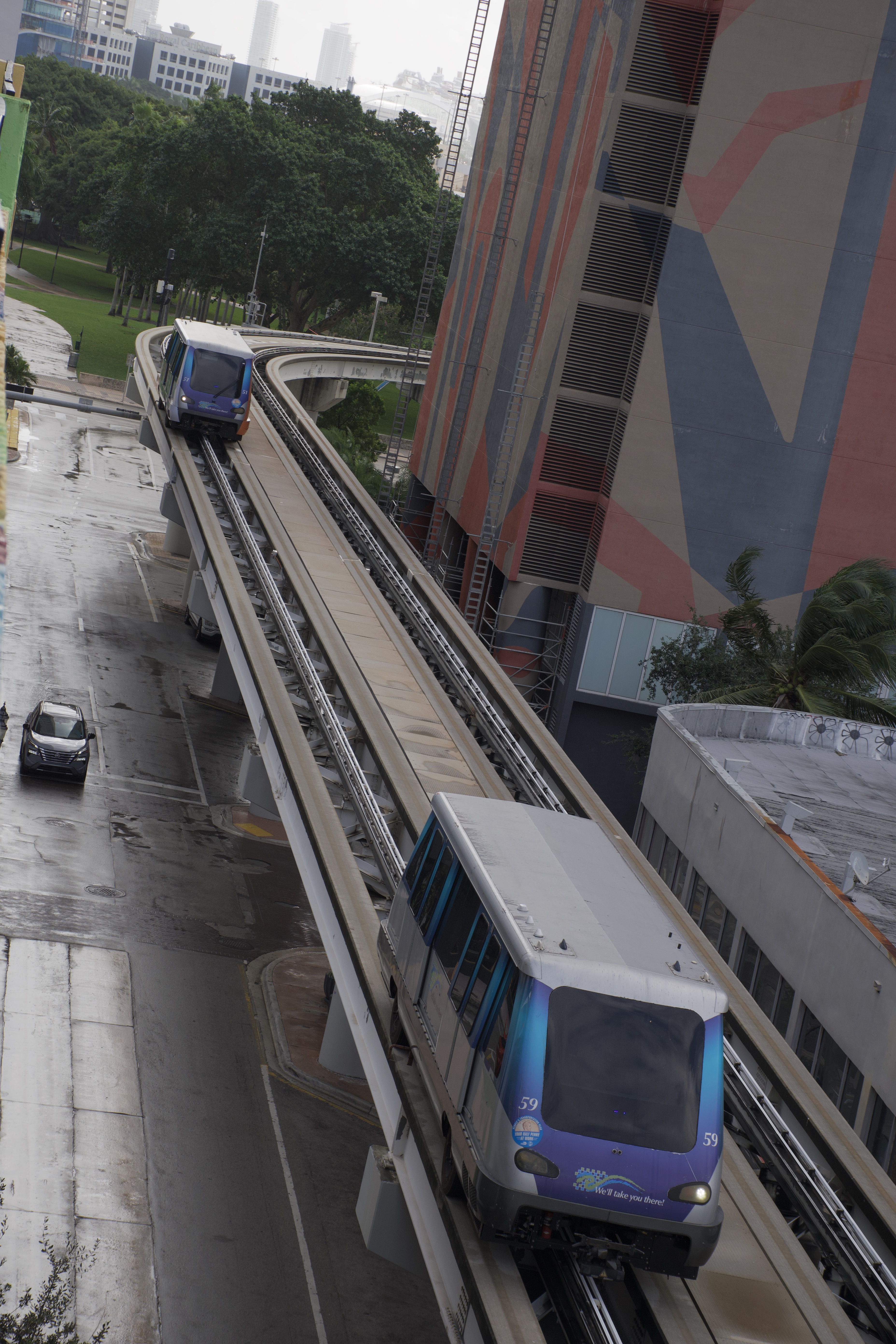
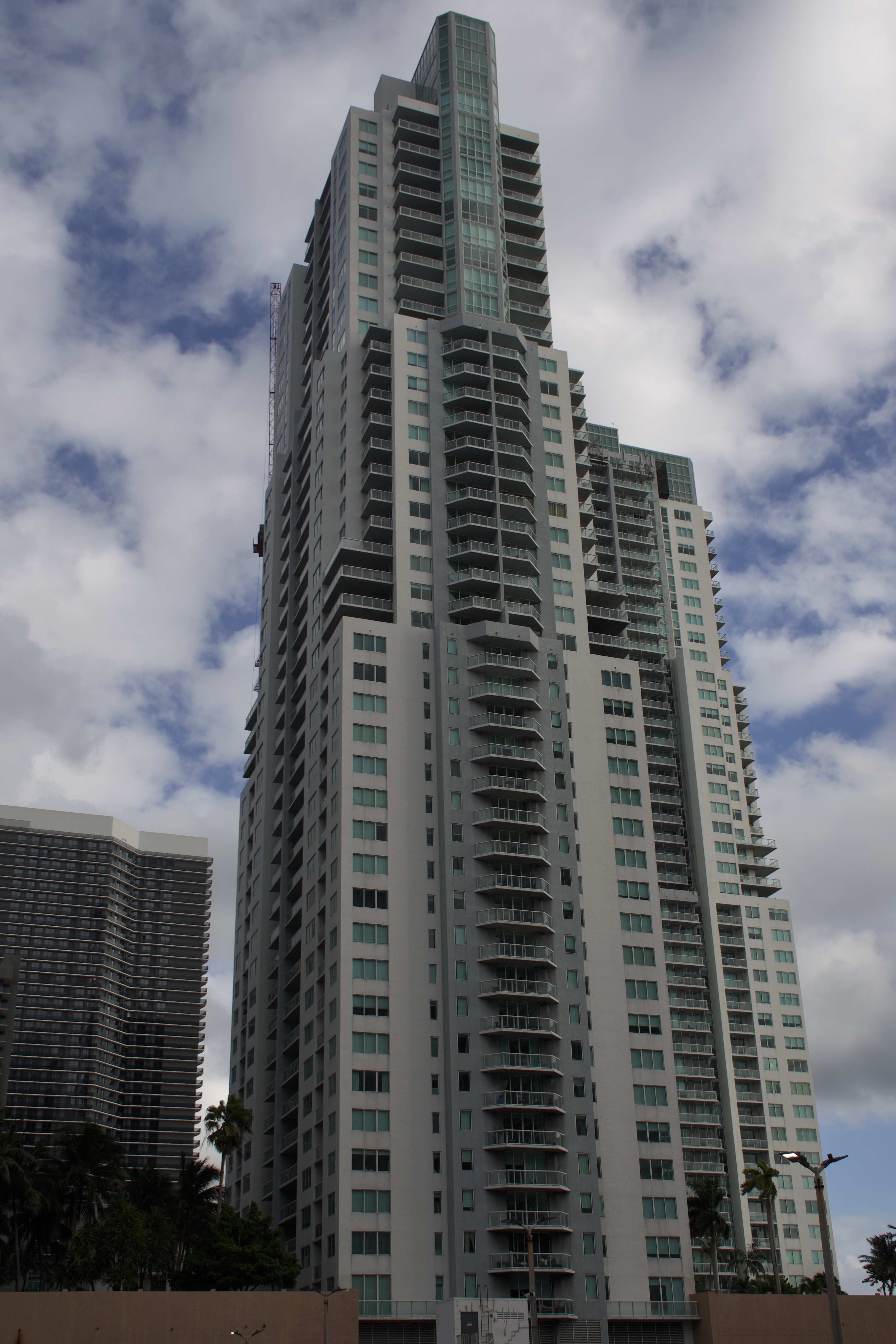
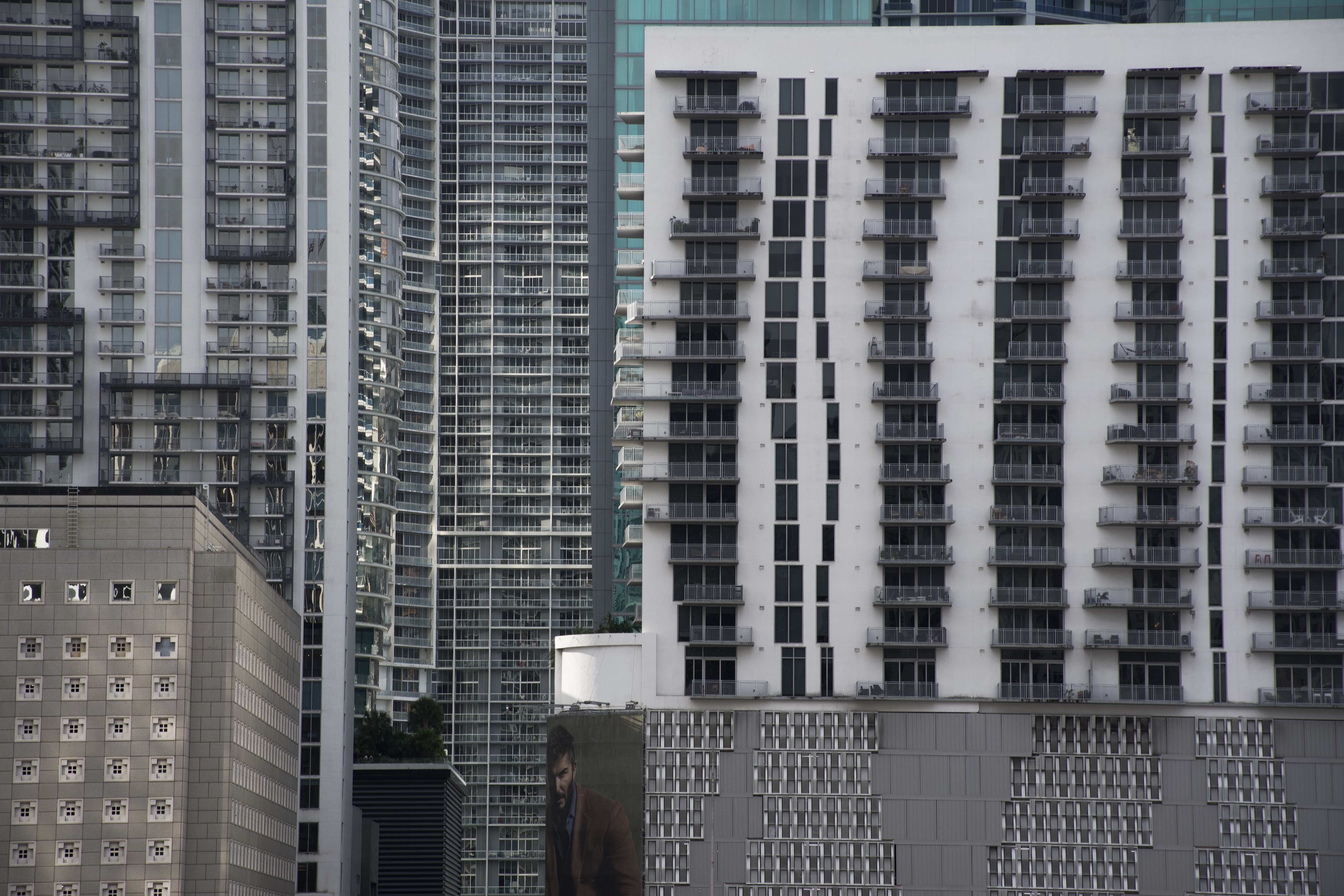
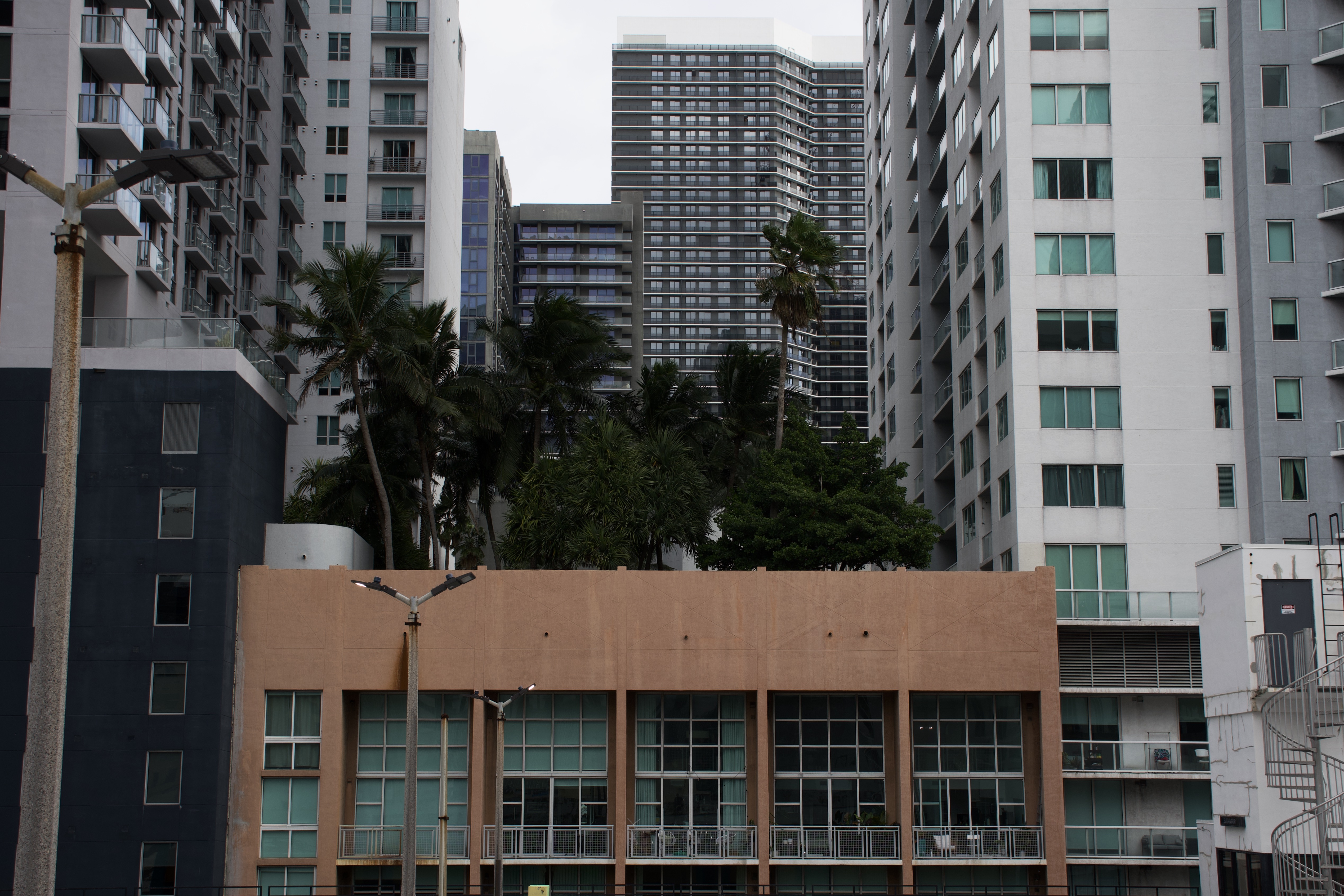
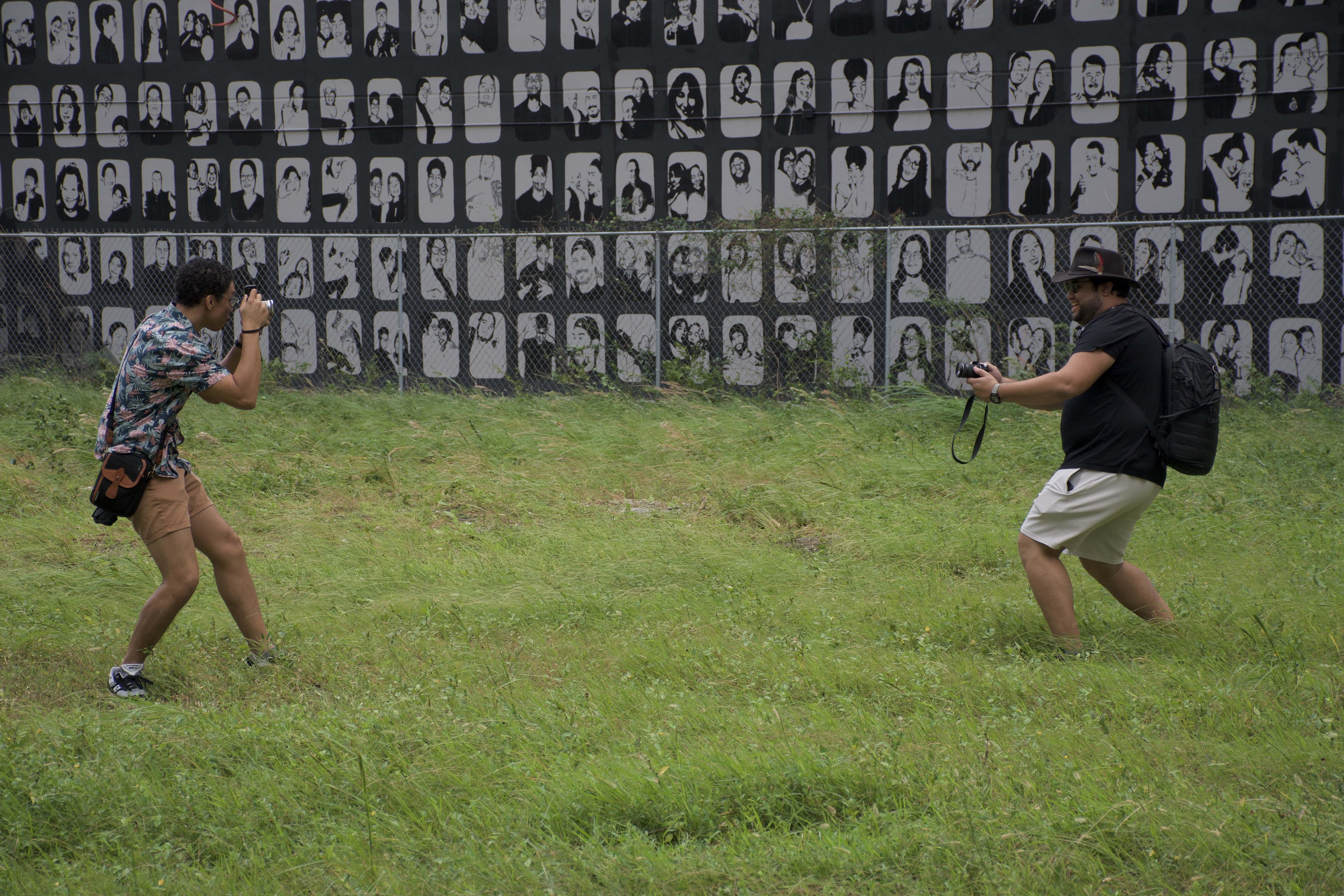
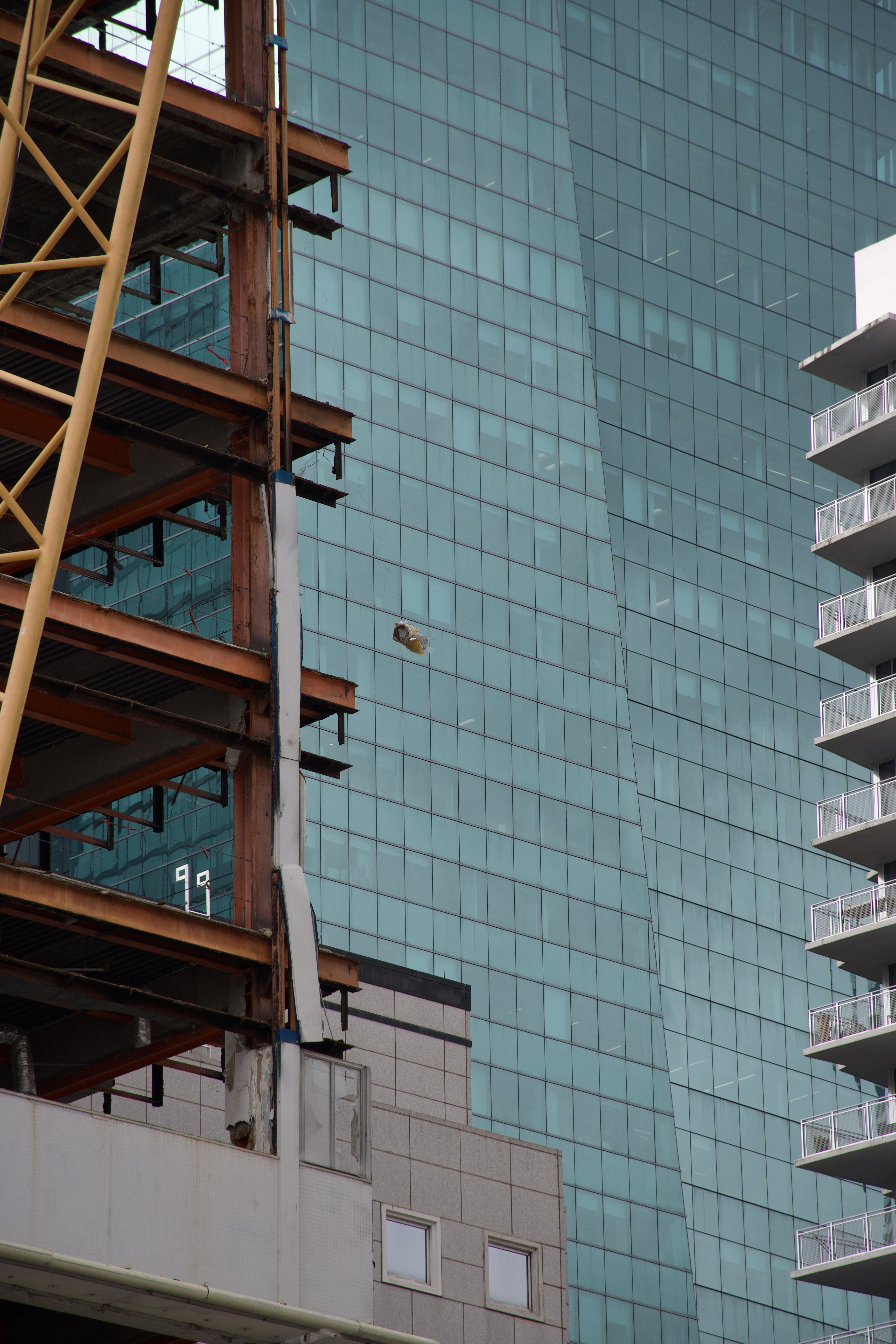
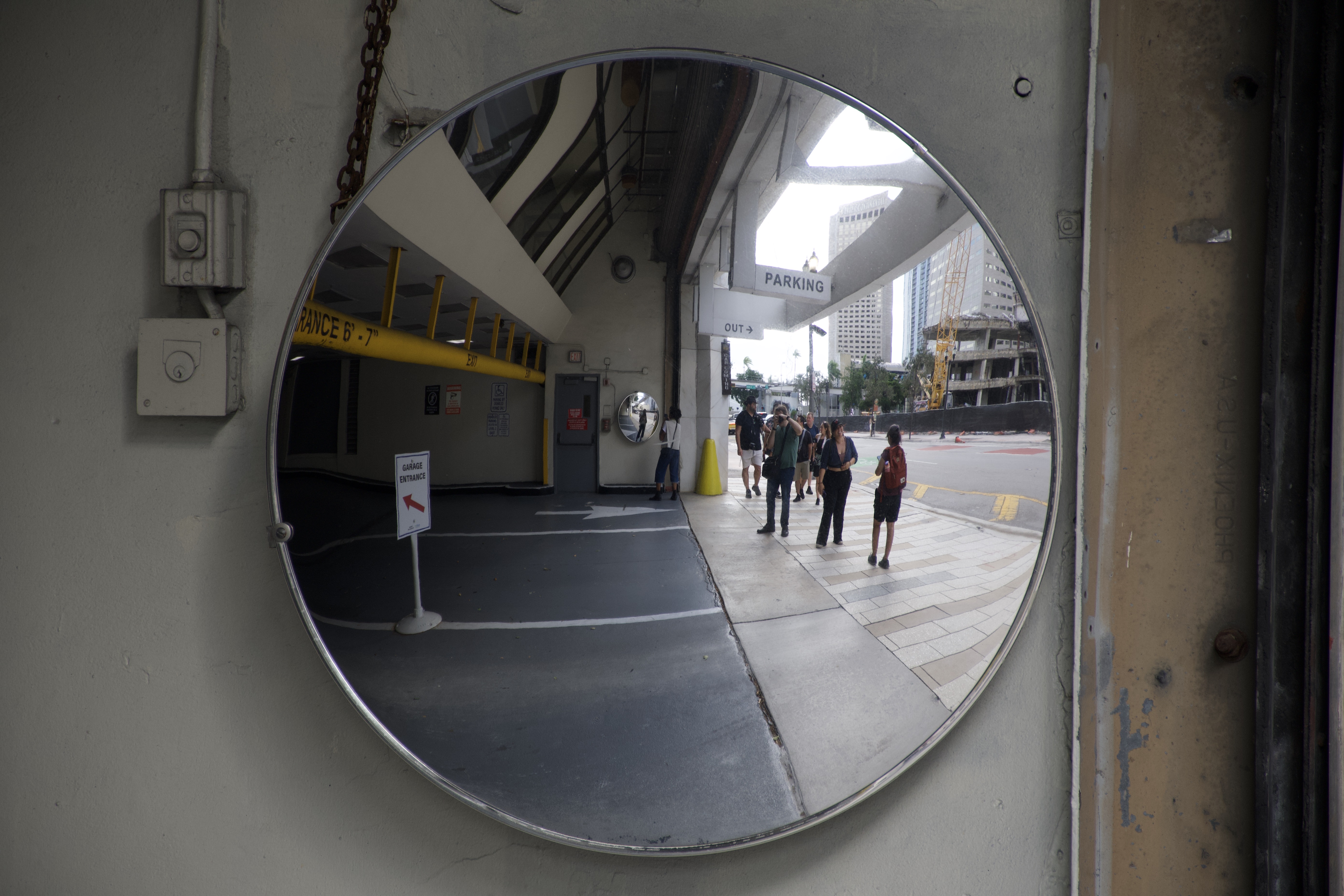
The October 2025 photowalk took us to downtown Miami. The theme was the mixture of old and new, seeing Miami as a city of constant reinvention. It was a blustery day, with winds whipping clouds and rain showers past every few minutes, which made for a lot of opportunities to play with light and reflection.








General Reel — Autumn 2025
Stargate Puddle Image and Animation for Physical Models
With the recent release of the SG-1 and Atlantis Stargate desktop models from Master Replicas, I’ve seen more than a few people asking for images of the puddle effect they can print and insert into their model to make it appear to be active.
While a production-used animation loop of the puddle is available online,1This video was included in a large library of leaked video playback, and was used for the rear-projection puddle screen used to show the Stargate active in the background of scenes when people weren’t walking through it it’s compressed and relatively low-resolution. I rendered off a 4K image of my version of the puddle effect which should look a bit better printed .
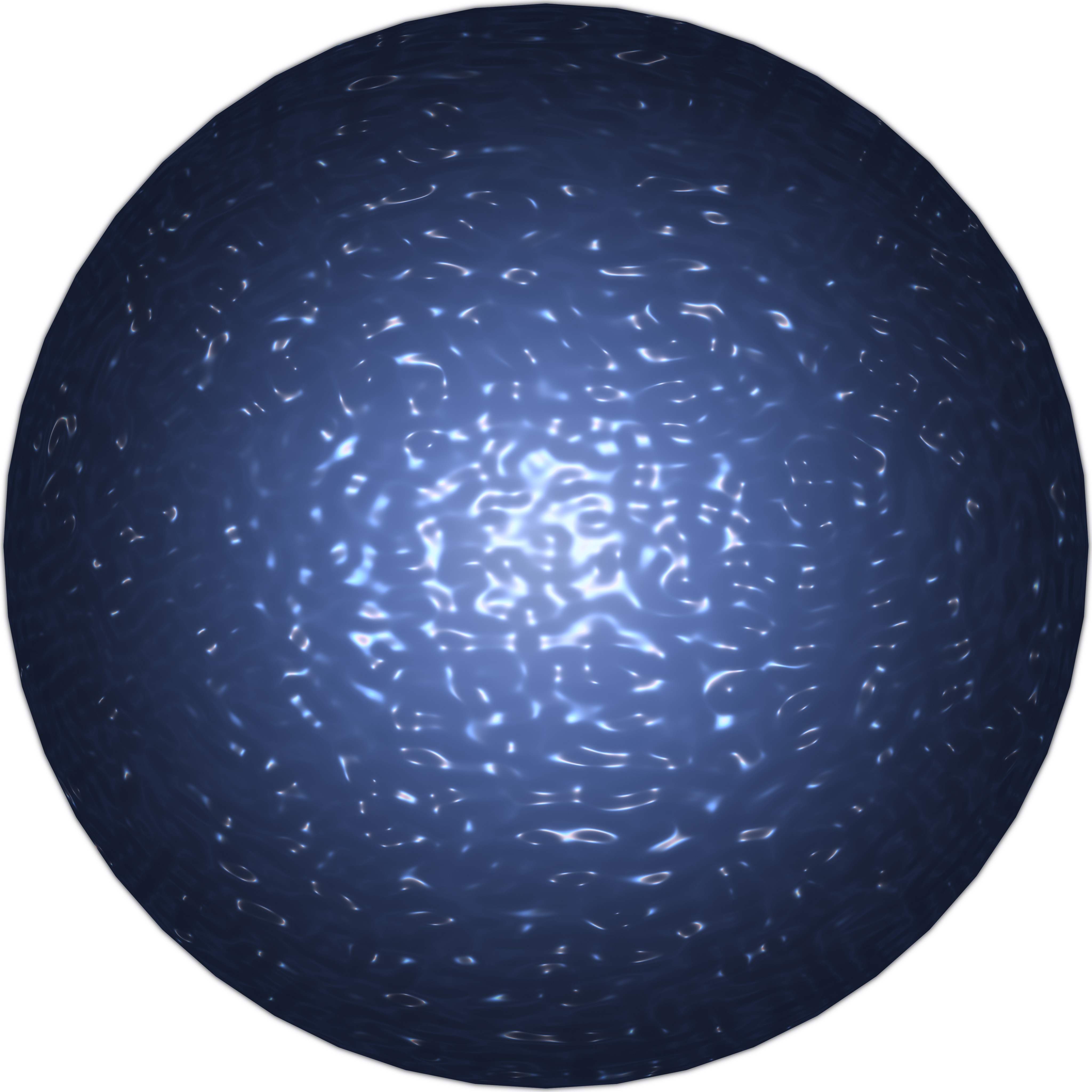
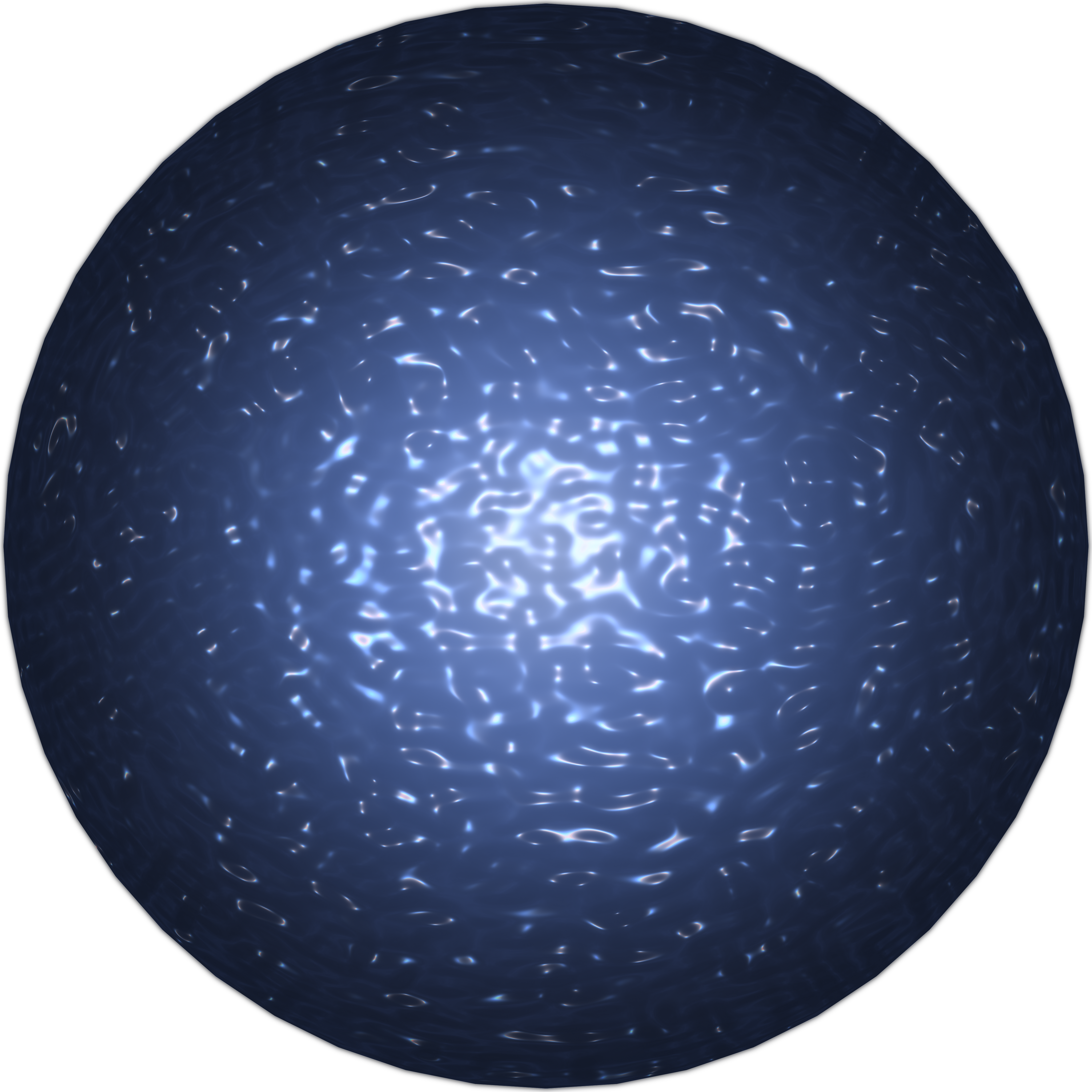
EXR Version (Zipped, 159 MB)2Are there HDR printers? Just in case.
A lot of people are also using miniprojectors to make a live puddle on their models. I’ve uploaded a 38 minute puddle movie with opening, closing, and sound effects to YouTube. Here’s just the clip of the puddle loop by itself, if you’d rather download the file to run the movie indefinitely.
Tech the Tech: The Ships of the White Star Fleet
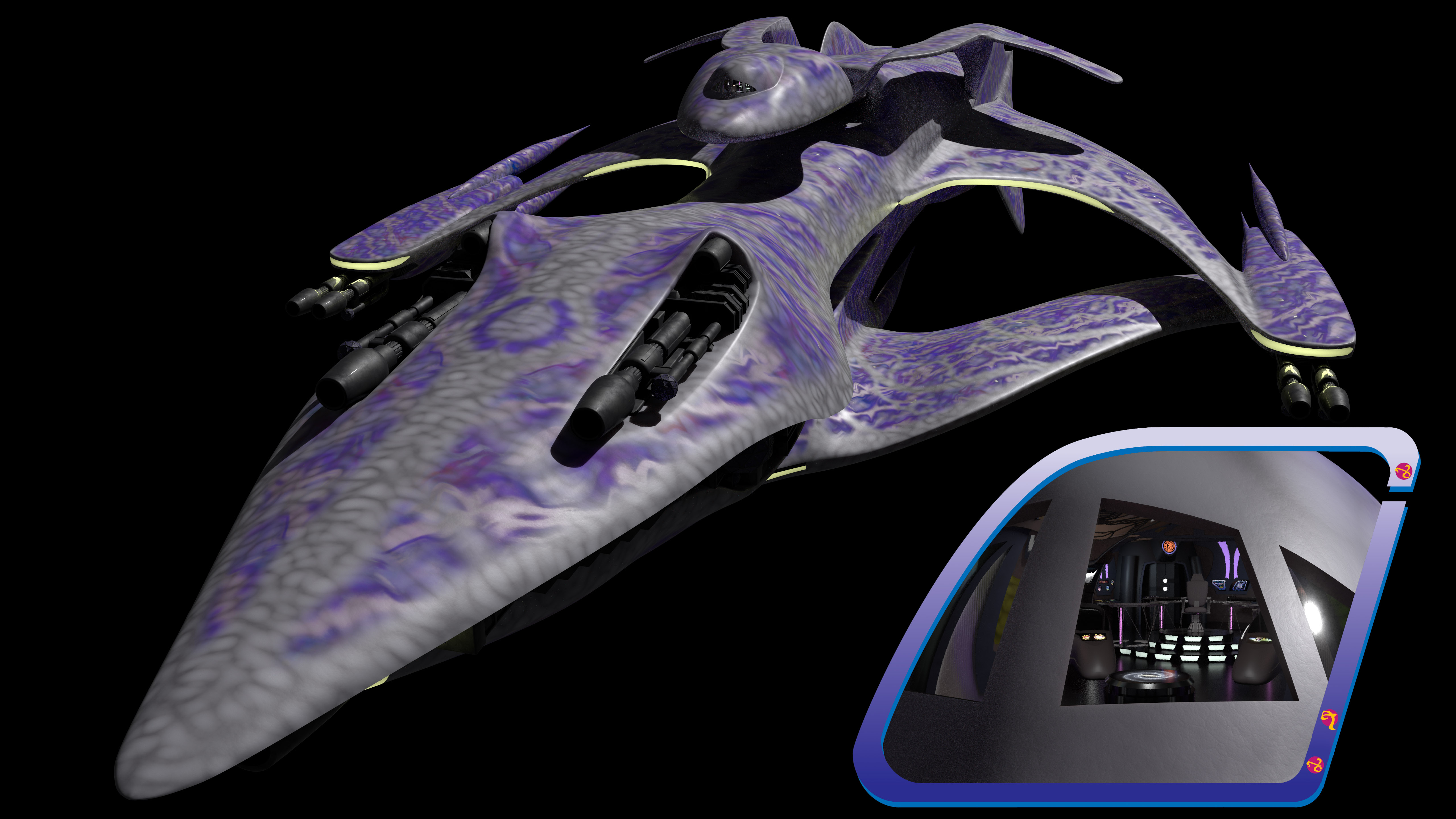
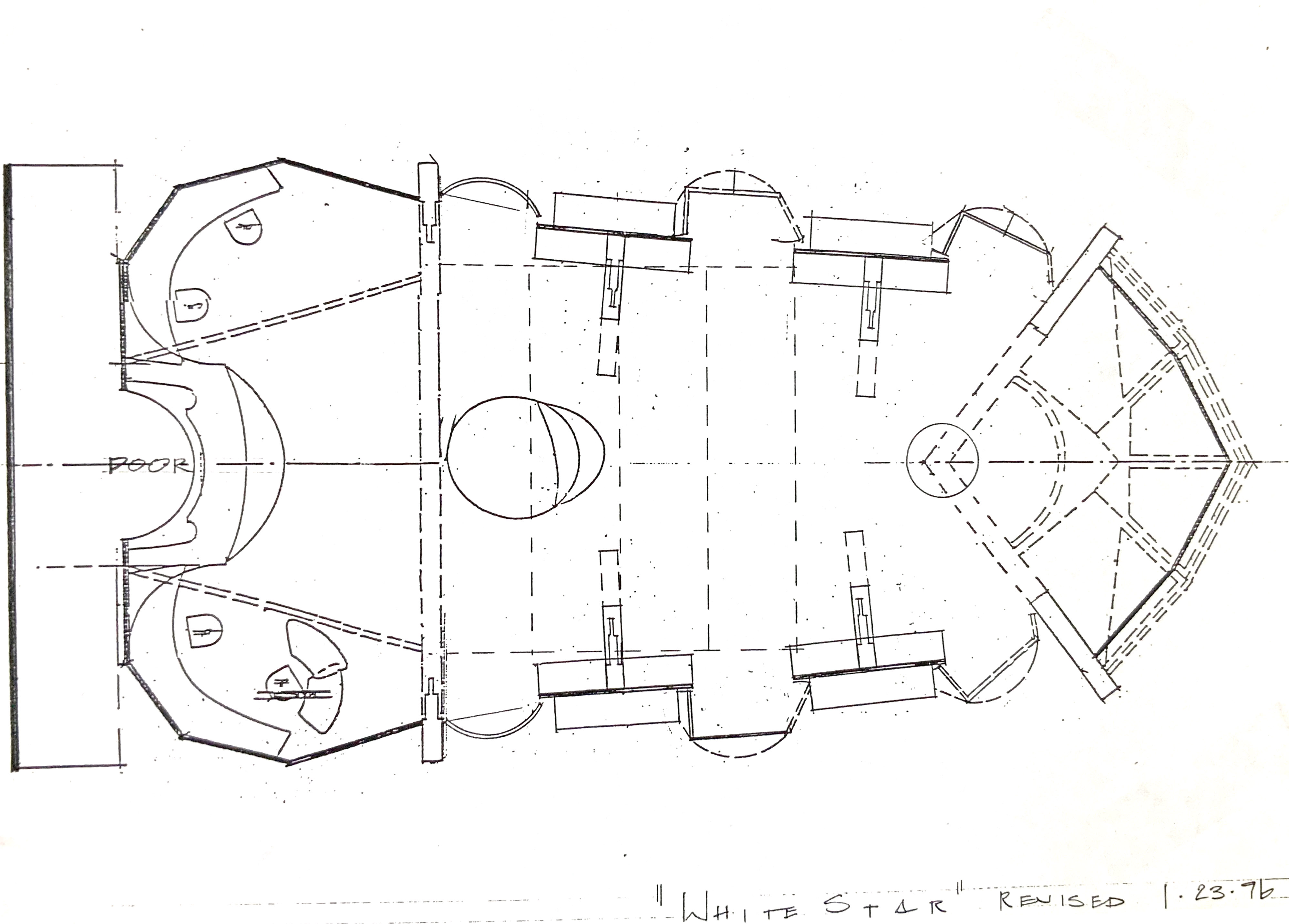
I’ve been working on a model of the White Star from Babylon 5, and have gone down the rabbit hole of cataloging and recreating the sets (at least, the one that’s visible through the ship’s forward windows). I’ve already done a post on the celtic knot designs decorate the bridges of the White Stars in season 4 and 5, so this is an overview of the design variations on the bridge set overall.
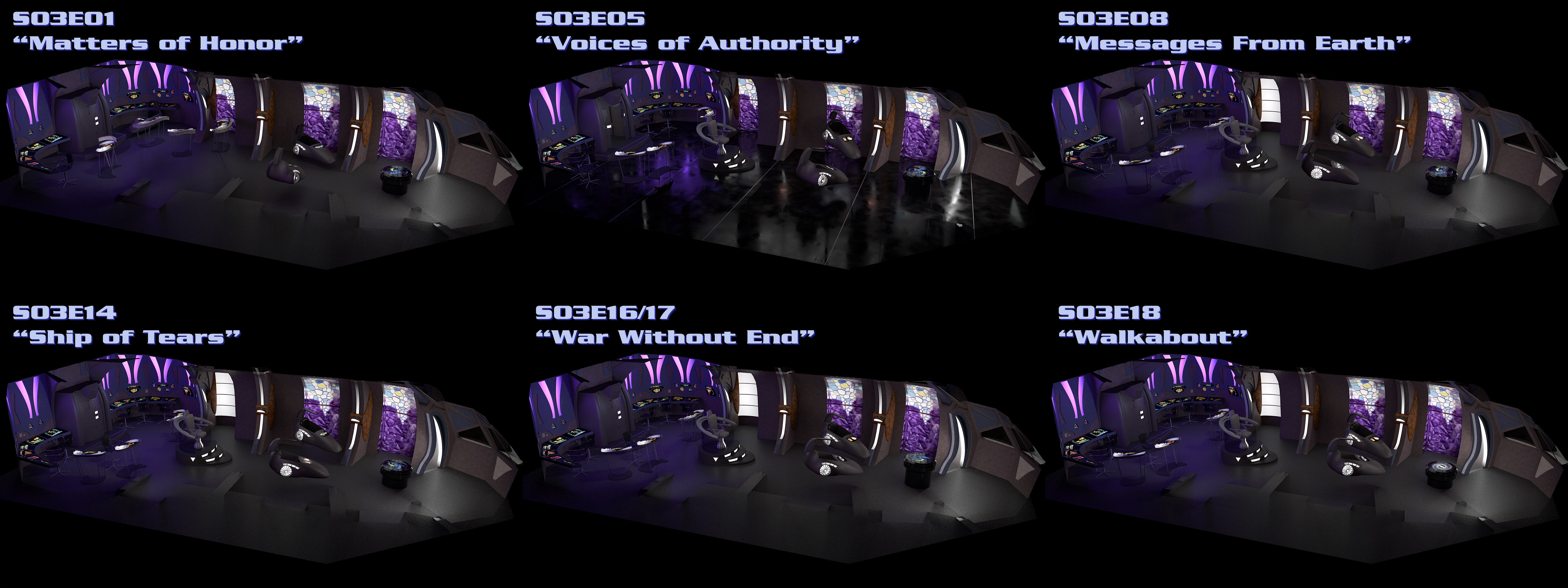
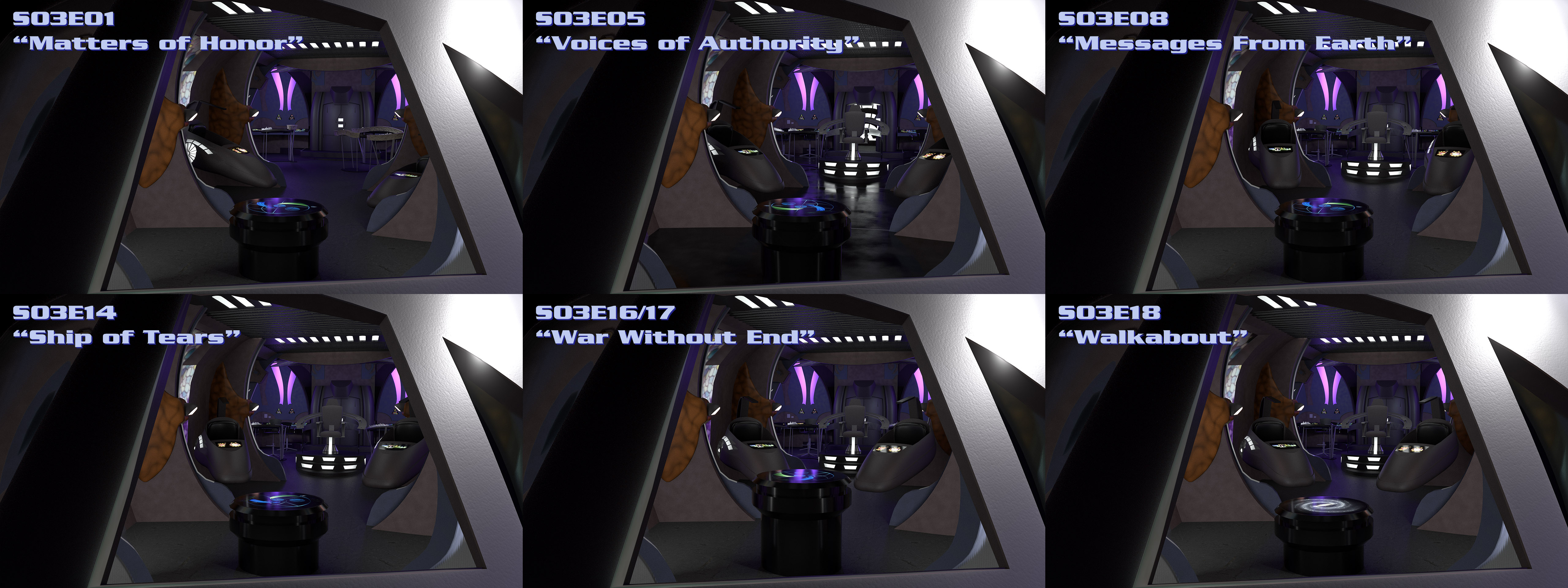
I’ll be illustrating each variation with a cutaway CG model of the bridge. To be clear, this version of the bridge has been modified to fit within the exterior shape of the bridge module on the ship, so it isn’t intended to be a perfect match to the original sets. That’s another project.
White Star 1
Throughout season 3, we only see the bridge of the original prototype White Star.1The White Star Fleet was introduced three episodes before the end of the season in 3×20 “And the Rock Cried Out, ‘No Hiding Place,'” but while we saw the other White Stars on the outside, there were still only scenes set on the original ship in the subsequent episodes. The bridge evolves over the course of the season, settling on its final form in 3×18 “Walkabout.” As it is a prototype that’s being tested in use, it does make sense in-universe for the bridge to be constantly modified.
| ↑1 | The White Star Fleet was introduced three episodes before the end of the season in 3×20 “And the Rock Cried Out, ‘No Hiding Place,'” but while we saw the other White Stars on the outside, there were still only scenes set on the original ship in the subsequent episodes. |
|---|